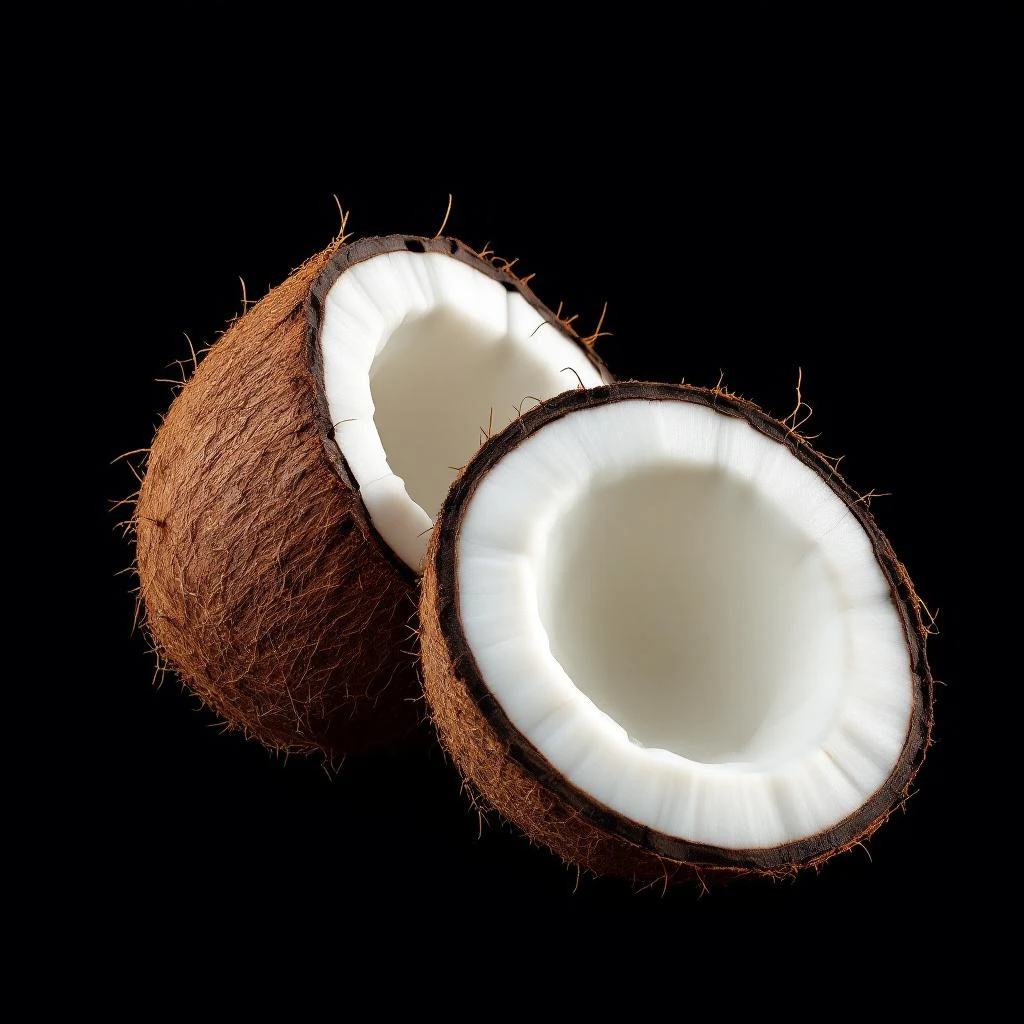
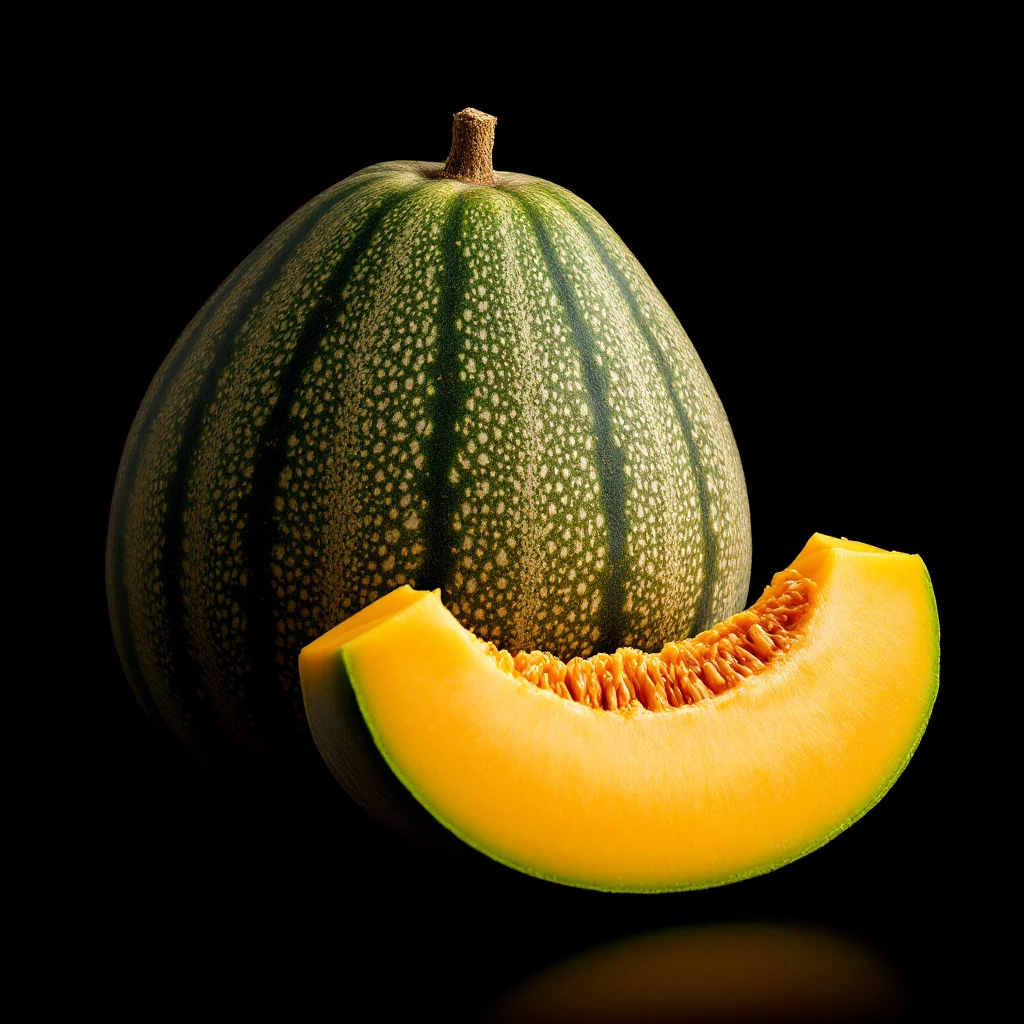
Muskmelon
Muskmelon in fragrance is a whisper of sun-warmed fruit, sweet and dewy without ever tipping into syrup. It brings a translucent, mouthwatering lift that makes compositions feel alive and ripe.
Character
How it smells
Sunlit fruit, bottled at its peak.
True muskmelon aroma in fine fragrance is almost always reconstructed in the lab because the fresh fruit yields too little essential oil to perfume with.





Origin
Iran
The muskmelon, Cucumis melo, is one of humanity's oldest cultivated fruits, with seeds appearing in archaeological sites across Mesopotamia and the Nile Valley dating back more than four thousand years. Ancient Egyptians raised it in irrigated fields along the Nile, and Pliny the Elder documented its cultivation across the Roman Empire, where it was prized as a dessert fruit and valued for its refreshing qualities. Despite this long agricultural history, the melon appears only rarely in early perfumery records.
Aromatic traditions focused on resins, woods, flowers, and citrus peels, all of which offered stable, concentrated essences. The fresh, aqueous sweetness of melon resisted capture. It was not until the twentieth century, when gas chromatography allowed chemists to isolate the volatile aldehydes responsible for melon's scent, that the fruit became a viable perfumery note.
Since the 1990s, muskmelon has appeared in countless sport and summer fragrances, prized for a crisp, photorealistic quality that natural extraction alone could never achieve.
Wears it best
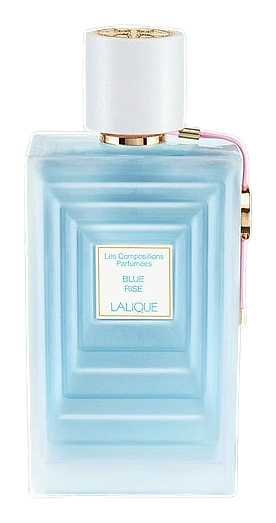
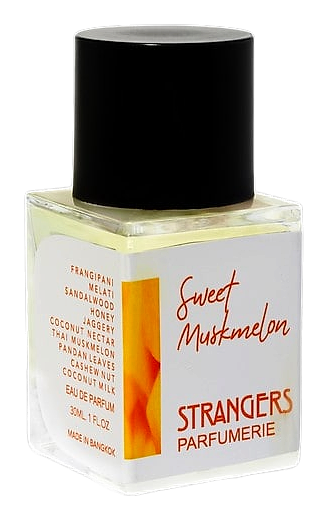
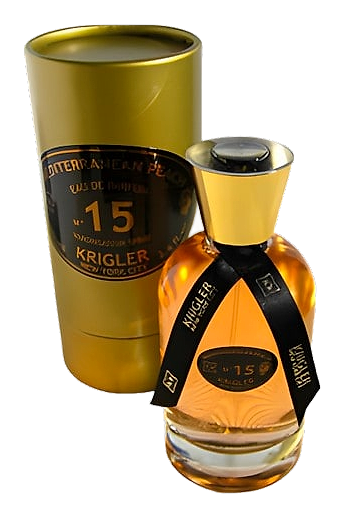
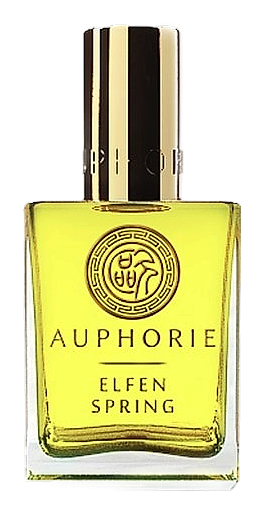
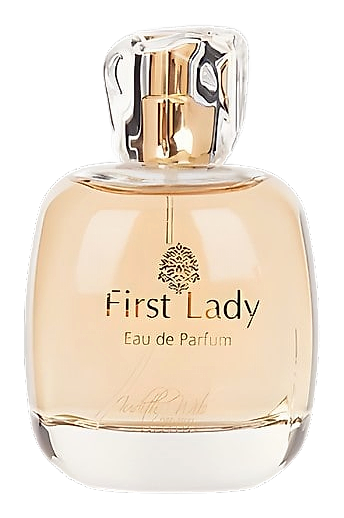
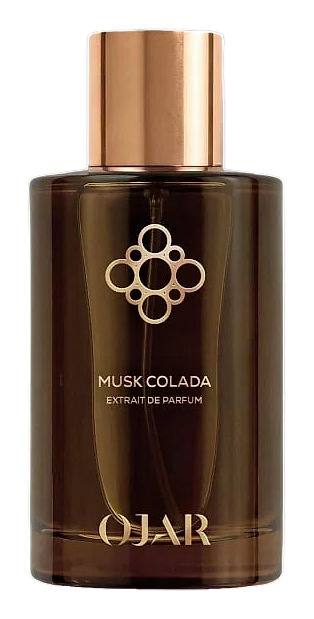
Fragrances featuring Muskmelon
Brands
Brands known for Muskmelon
Good to know
Questions, answered
The essentials on Muskmelon in perfumery: how it smells, where it comes from, and how it behaves on skin.
What does muskmelon smell like in perfume?
Muskmelon in fragrance smells sweet, watery, and slightly green, with a dewy, sun-warmed fruit character. It reads as fresh and translucent, more akin to biting into ripe melon than to a cooked jam note.
Is muskmelon a natural or synthetic perfume ingredient?
Almost always synthetic. The fresh fruit yields too little essential oil for commercial use, so perfumers rely on aroma molecules such as melonal and watermelon ketone to reconstruct its scent with greater stability.
What is muskmelon called in perfumery?
Perfumers typically refer to specific aroma compounds like melonal or cis-6-nonenal rather than 'muskmelon' directly. On ingredient labels, it usually appears under broader terms such as 'melon accord' or simply listed among fruity notes.
Where does muskmelon originate?
Muskmelon (Cucumis melo) was first cultivated in ancient Persia and Mesopotamia over four thousand years ago. Archaeological evidence places its early domestication in regions corresponding to modern Iran and Iraq.
Is muskmelon the same as cantaloupe in fragrance?
The two share similar aromatic chemistry, and perfumers often use the same aldehydes to suggest either fruit. Cantaloupe tends to read warmer and more honeyed, while muskmelon leans cooler and more aqueous.
Why is muskmelon hard to extract naturally?
The fruit contains under one percent volatile oil, and those compounds degrade rapidly once exposed to air and heat. Steam distillation destroys the delicate top notes, making natural extraction impractical at scale.
What fragrances feature muskmelon notes?
Muskmelon appears frequently in sport and summer fragrances launched from the 1990s onward, particularly in fresh, aquatic, and fruity-floral compositions. It often anchors the top notes alongside citrus and green accords.
Does muskmelon contain musk?
No. Despite the name, muskmelon contains no actual musk compounds. The 'musk' in muskmelon refers to its strong, characteristic aroma, a term derived from Sanskrit 'karpura' rather than any animal ingredient.