Caramelized pear
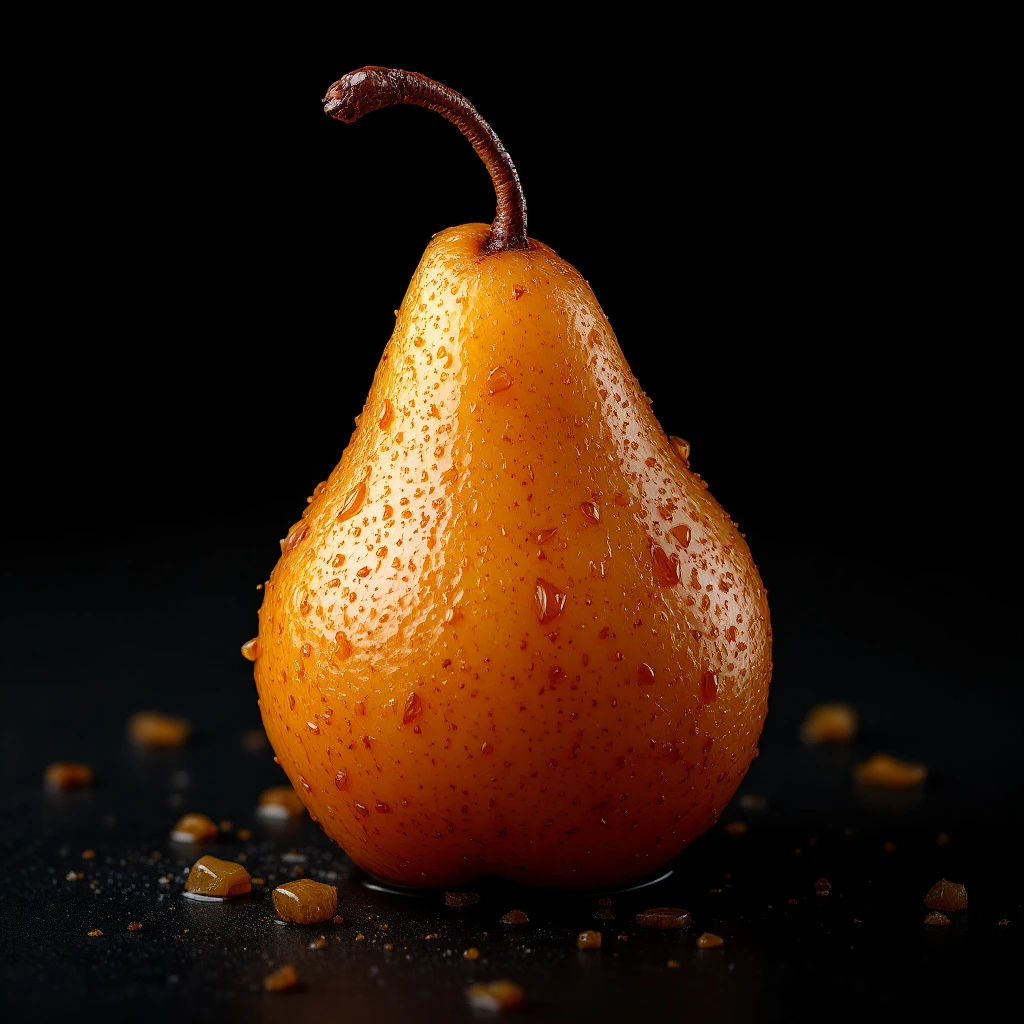
Caramelized pear brings together the crisp, watery sweetness of orchard pears with the deep, buttery warmth of caramelized sugars. This modern accord captures the moment fruit meets heat, transformingfresh fragrance into something genuinely edible.
Character
How it smells
Summer pear, kissed by caramel fire.
A single ripe pear produces over 300 volatile compounds, giving perfumers rich material to work with when building caramelized variations.






Origin
Multiple regions (originated Southeast Europe, Western Europe, North Africa, Asia Minor)
The wild pear tree Pyrus communis traces its origins to southeast Europe and ancient Anatolia, where Greeks and Romans prized both fresh and cooked pear preparations. Roman cooks caramelized pears with honey and wine, creating preparations that inspired nothing direct in modern perfumery but established fruit-and-sugar as an enduring culinary pairing.
True caramelized pear accords only emerged in the late twentieth century when fragrance chemistry advanced enough to recreate caramelized warmth. The demand for gourmand fragrances in the 1990s accelerated development of these complex accords, which now appear widely across women's and gender-neutral perfumes seeking edible, comfort-driven character.
Wears it best
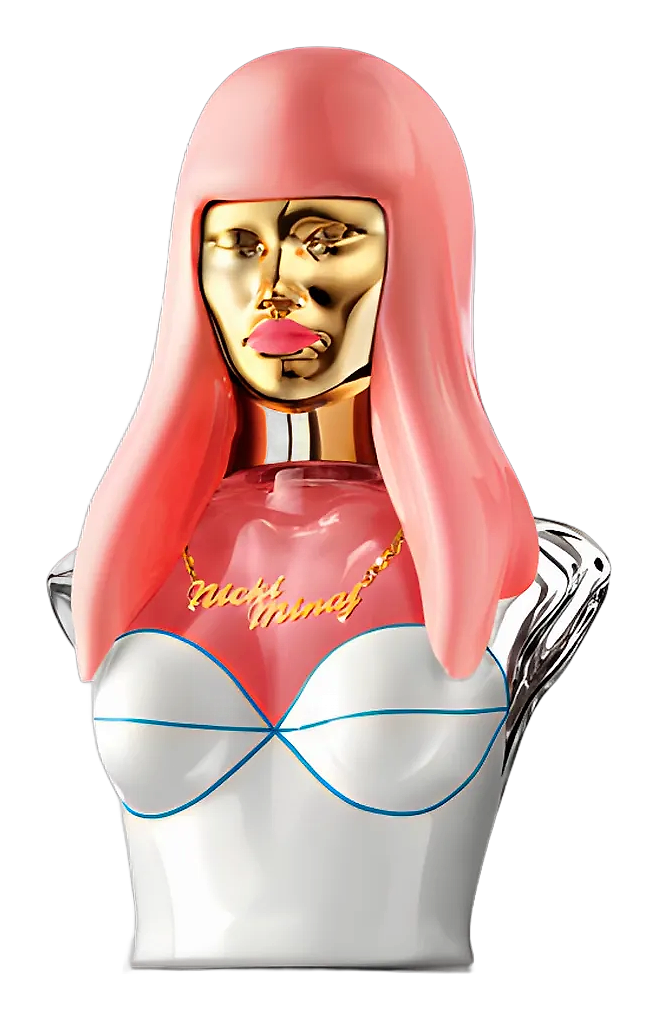
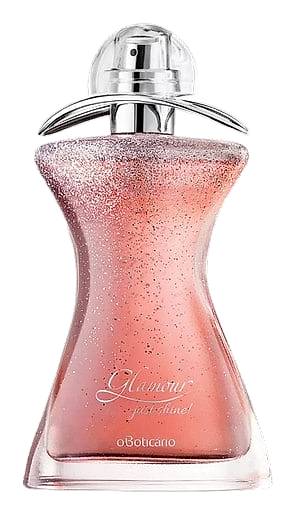
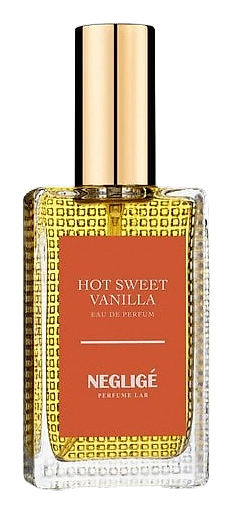
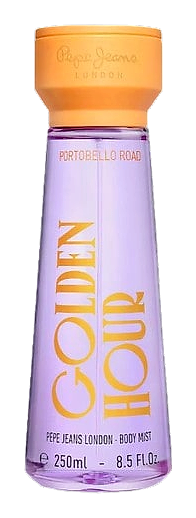
Fragrances featuring Caramelized pear

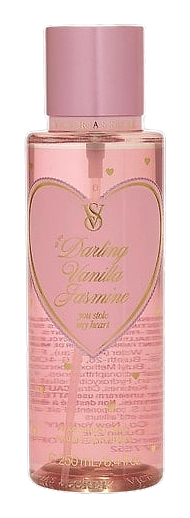
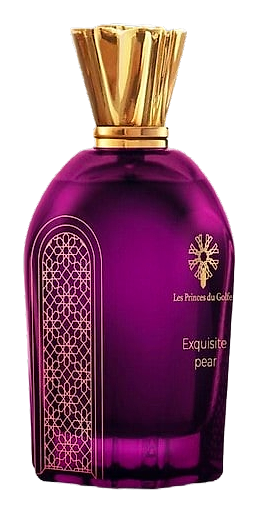
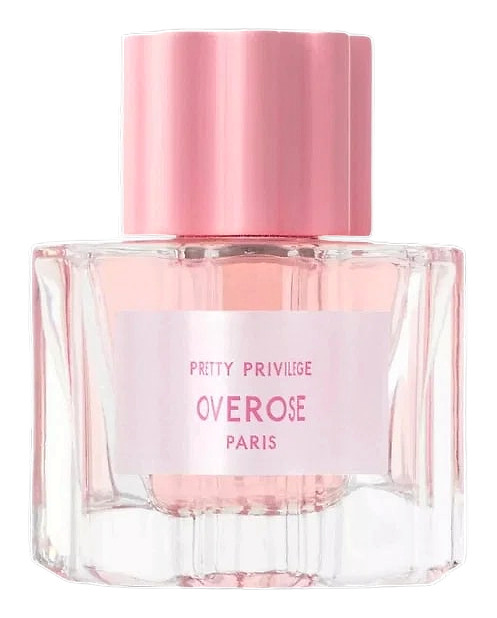
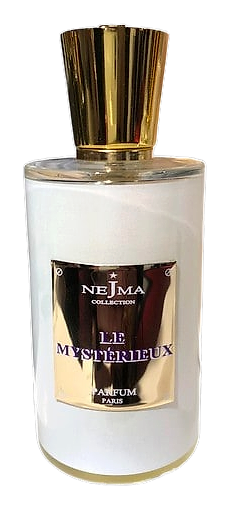
Brands
Brands known for Caramelized pear
Good to know
Questions, answered
The essentials on Caramelized pear in perfumery: how it smells, where it comes from, and how it behaves on skin.
What is caramelized pear in perfumery?
Caramelized pear is a synthetic fragrance accord that combines lactone-based pear notes with caramel-sweet components to create a warm, edible interpretation of heated fruit. Perfumers build it from multiple aromatic molecules rather than extracting it directly from pear.
How does caramelized pear differ from fresh pear note?
Fresh pear accord emphasizes crisp, watery, slightly green notes reminiscent of just-bite fruit. Caramelized pear adds buttery warmth, deeper sweetness, and a cooked quality that recalls pears caramelized under high heat.
Is caramelized pear natural or synthetic?
Caramelized pear is always synthetic. No extraction process yields the specific Maillard-style caramelization notes; perfumers construct it from gamma-decalactone, vanillin derivatives, and ester compounds in the laboratory.
What fragrances commonly feature caramelized pear?
Many gourmand and fruity perfumes use caramelized pear accords, including popularDesigner scents released in the 2010s and 2020s. The note pairs well with other edible ingredients like vanilla, praline, and coconut.
What does caramelized pear smell like?
It smells like ripe pear warmed in caramel sauce — sweet, buttery, and slightly toasted with lingering warmth. The top impression evokes fresh fruit, while drydown emphasizes honeyed and confectionary qualities.
Does caramelized pear smell edible or like actual food?
Caramelized pear reads as unmistakably edible but sophisticated rather than literal candy. It suggests homemade pear preserve or flamed fruit rather than processed sweets, staying believable within a fragrance context.
When did caramelized pear first appear in perfumes?
Composite pear accords with caramelized character emerged in the late 1990s alongside the broader gourmand fragrance movement. The note became particularly popular in the 2010s as perfumers refined the chemistry.
What mood does caramelized pear convey in a fragrance?
Caramelized pear reads as warm, comforting, and intimately edible. It suggests home kitchens, autumn afternoons, and the satisfying transformation of fresh fruit into something richer and more indulgent.