Heritage
A house, in its own words
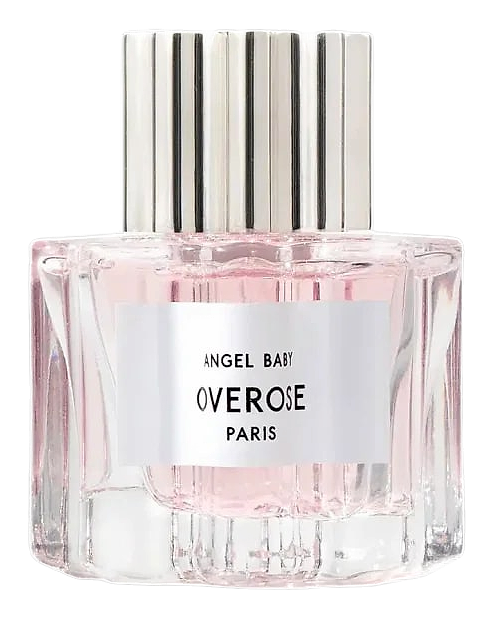
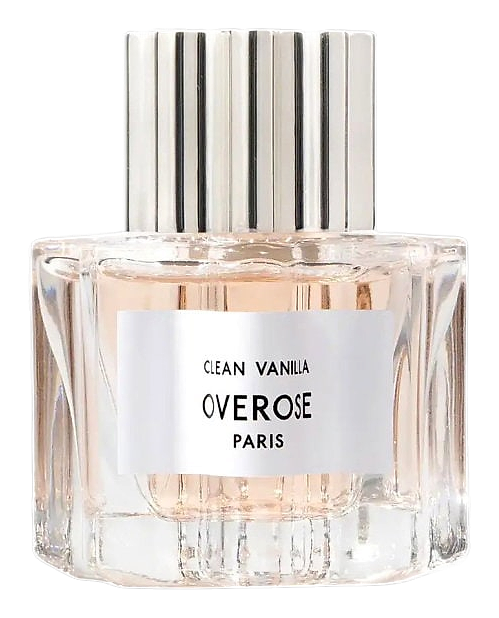
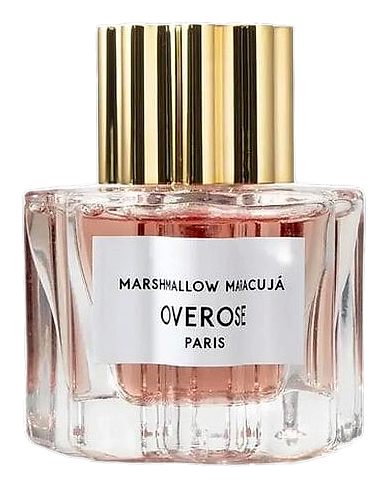
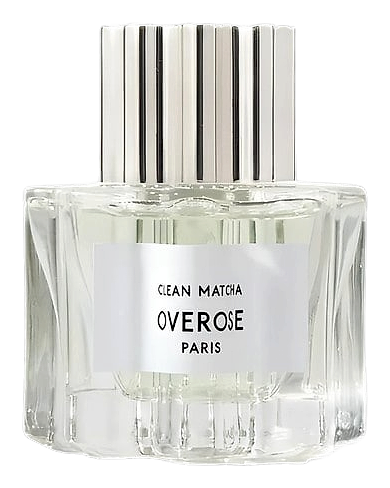
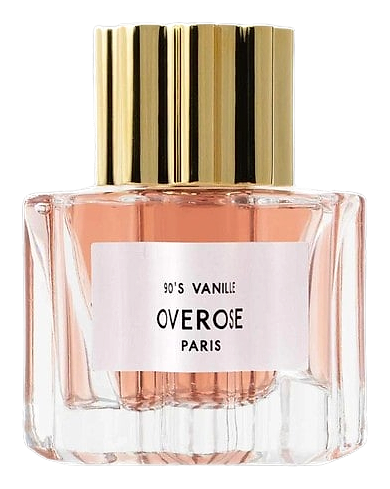
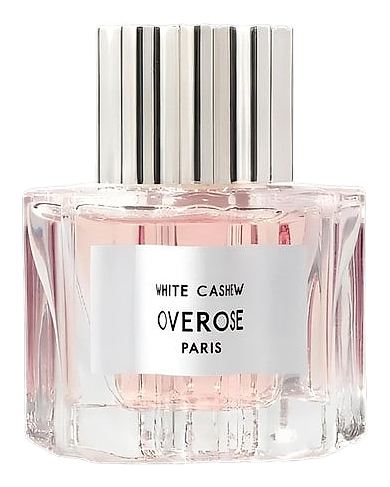
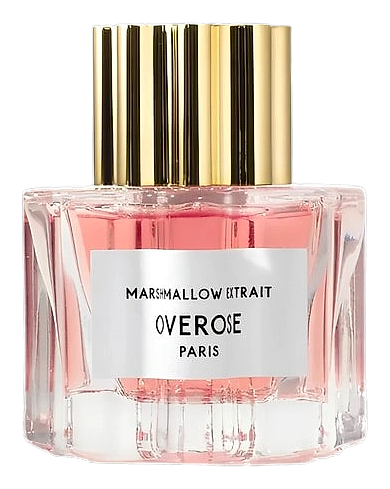
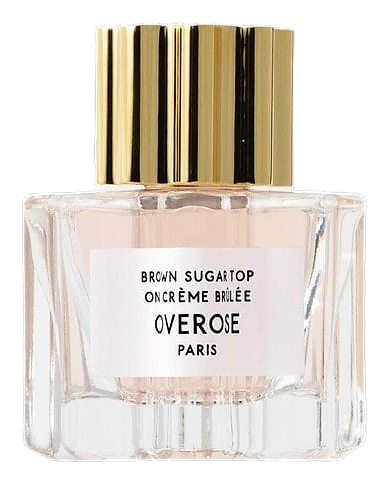
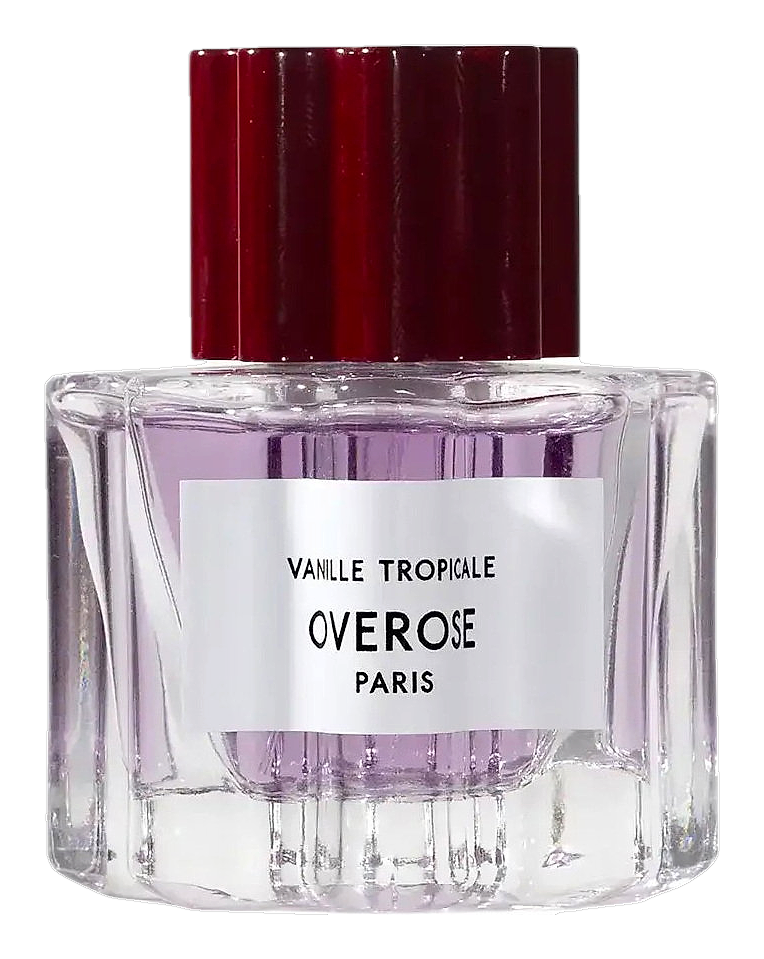
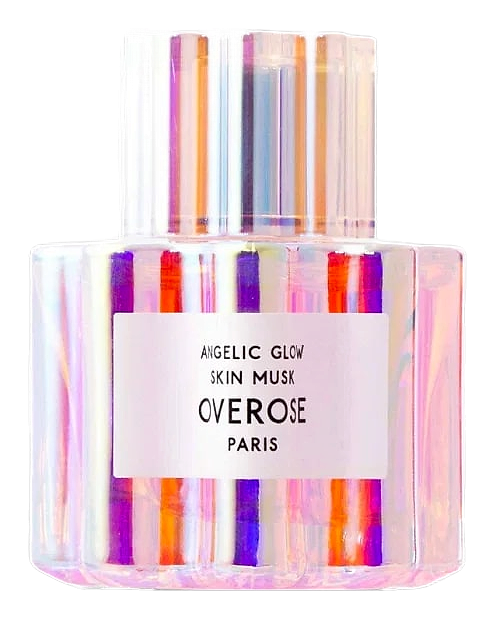
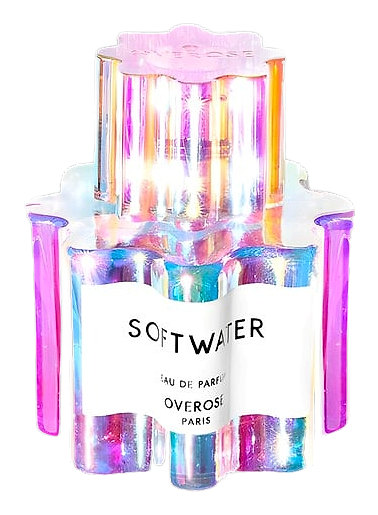
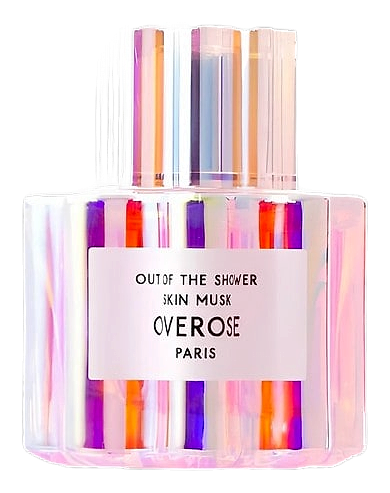
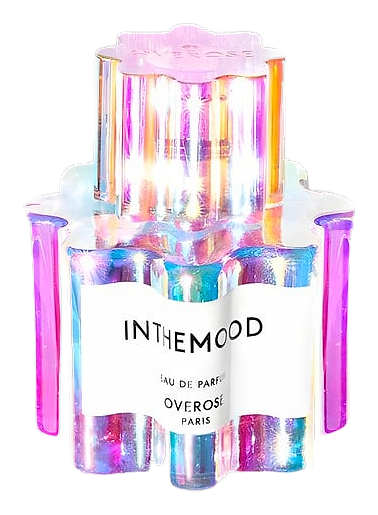
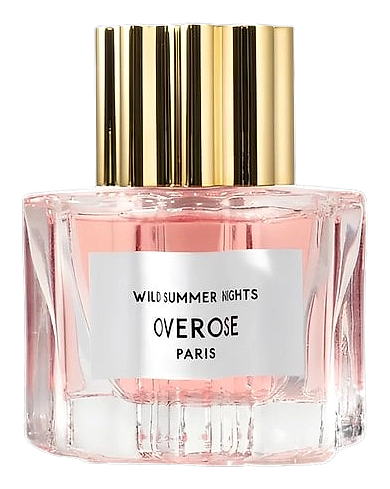
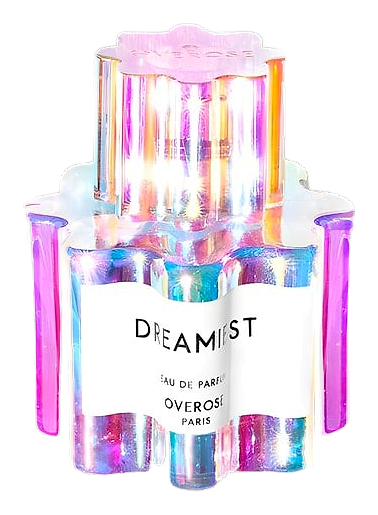
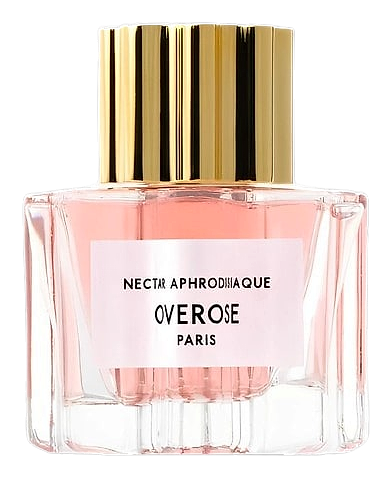
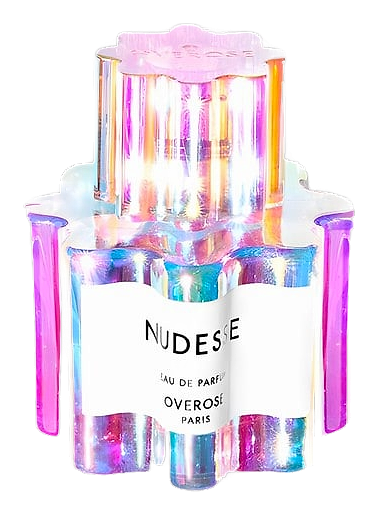
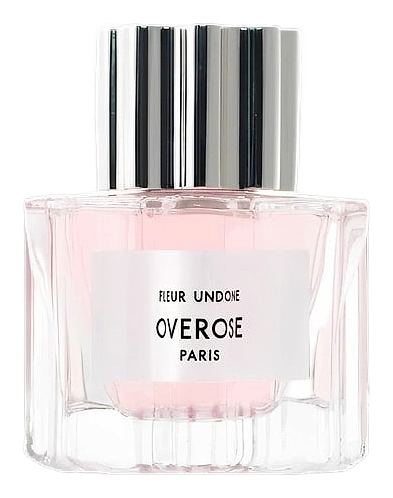
Overose emerged in the spring of 2016 when Matthieu Belhandouz, a former fashion creative director, decided to translate his visual sensibility into scent. The brand’s first public statements described a “modern, artsy approach to scent, all about well‑being, pleasure and emotion,” a narrative that appears on the company’s own site and in early Instagram announcements. By late 2017 the house released its inaugural fragrance line, a modest collection of scented candles and room sprays that emphasized minimalist packaging and a focus on mood rather than overt branding. In 2021 the perfume “Inthemood” arrived, marking Overose’s first foray into a full‑size eau de parfum and signaling a shift toward more complex olfactory structures. The following year the house introduced “90’s Vanille,” a vanilla‑centric scent that referenced nostalgic pop culture while employing contemporary synthetic accords; the launch was covered by niche fragrance blogs and noted for its balanced use of natural and lab‑created ingredients. 2024 proved prolific, with two new releases – “Wild Summer Nights” and “Brown Sugar Top On Crème Brûlée” – both of which received attention for their playful naming conventions and restrained bottle design. 2025 saw a rapid expansion: “Clean Vanilla,” “Clean Matcha,” “Angel Baby,” “Marshmallow Maracujá,” “Hot Towel Club,” and “White Cashew” entered the catalogue, each positioned as a scent that could double as a personal fragrance and a home ambient. Throughout its first decade Overose has remained a privately held company, listed on Crunchbase as a niche perfume and home fragrance specialist, and it continues to operate from a modest atelier in the 10th arrondissement of Paris. The brand’s evolution reflects a steady commitment to artistic perfumery without the flash of large‑scale marketing campaigns, relying instead on word‑of‑mouth within the niche community and selective press coverage. Overose frames scent as a conduit for emotional health. The founder’s background in visual storytelling informs a philosophy that treats fragrance like a color palette, each note chosen to support a feeling of comfort or curiosity. The brand’s public statements stress three pillars: well‑being, pleasure, and emotion. In practice this means prioritising ingredients that feel soothing on the skin while still offering a narrative twist – for example, the “Clean Matcha” line pairs green tea notes with a faint mineral base to evoke a calm, focused mindset. Overose avoids the industry’s typical hype language; instead it describes its work as “artistic perfumery,” a term that appears in third‑party profiles such as Crunchbase. The house collaborates with independent perfumers on a project‑by‑project basis, allowing each scent to develop its own personality rather than adhering to a single signature style. Sustainability also features in the brand’s ethos: packaging choices favor recyclable glass and paper, and the company reports that it sources many raw materials from European suppliers who comply with REACH regulations. By treating fragrance as an everyday ritual rather than a luxury statement, Overose seeks to make artistic scent accessible to a broader audience while maintaining a clear creative direction.