








Heritage
A house, in its own words
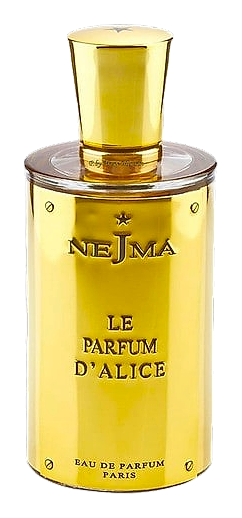
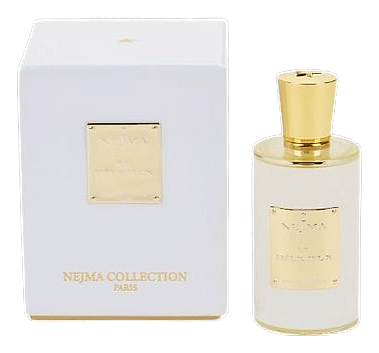
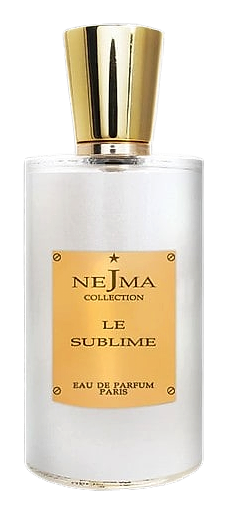
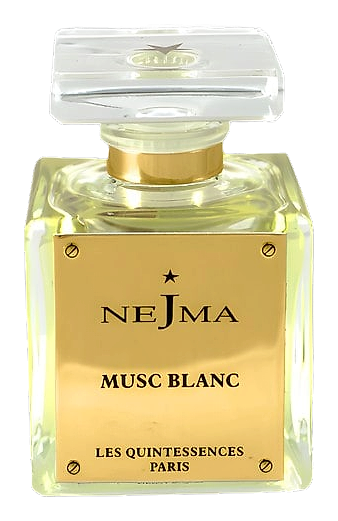
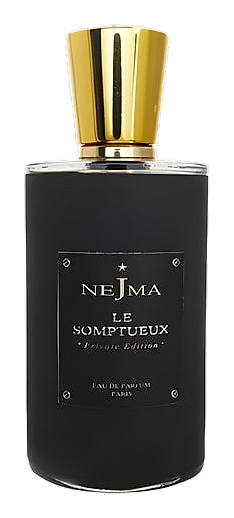
The House of Nejma was established in Paris in 2014 by Marie Lise Bischoff, a founder drawn to the world of oriental perfumery and its tradition of rich, layered compositions. The name Nejma carries meaning rooted in Arabic, translating to star, a word that evokes guidance, light, and beauty across many Middle Eastern and North African cultures. This symbolism reflects the brand's ambition to offer a guiding presence in the landscape of niche fragrance. From its earliest days, Nejma set out to distinguish itself within a competitive field of independent perfumers. The house released its first collection in 2014, a group of four fragrances that included Musc Blanc, Jasmin, Bois de Aoud, and Nejma 7. Each offering drew from the oriental tradition while aiming for a modern sensibility. Le Somptueux followed in 2015, expanding the house's reach. By 2018, Nejma introduced several new compositions, including Le Mysterieux, Le Sublime, and Le Fabuleux, signaling a period of active creative development. The brand has reportedly been recognized for identifying and collaborating with perfumers early in their careers, including Alice Lavenat, who has received industry recognition as a rising talent. Nejma has built its reputation on a philosophy of authenticity, investing in the relationship between perfumer and composition rather than following market trends. The house's identity remains rooted in its French origins while drawing from a broader cultural palette shaped by oriental heritage. Nejma approaches perfumery as an act of personal expression, believing that fragrance serves as a form of identity and intimacy for the wearer. The house values authenticity over trend-following, seeking to create scents that feel genuine rather than commercially safe. Each composition is treated as a distinct artistic statement, with the goal of offering something that stands apart from the mass market. Nejma is guided by the conviction that perfumery is a craft deserving of respect, and that every fragrance should carry a sense of authorship and intention. The brand rejects the idea of fragrance as mere product, instead treating each release as a window into a perfumer's vision. Nejma invests in long-term creative relationships with its perfumers, allowing space for experimentation and depth in composition. The house draws its name and much of its inspiration from the concept of the star, a symbol of guidance and illumination that recurs throughout its identity. This metaphor shapes how Nejma understands its place in the fragrance world, as a source of direction for those seeking beauty and distinction. The brand's philosophy extends to its stance on quality, insisting that materials and processes must reflect the seriousness of the creative endeavor.