Caramelized Apple
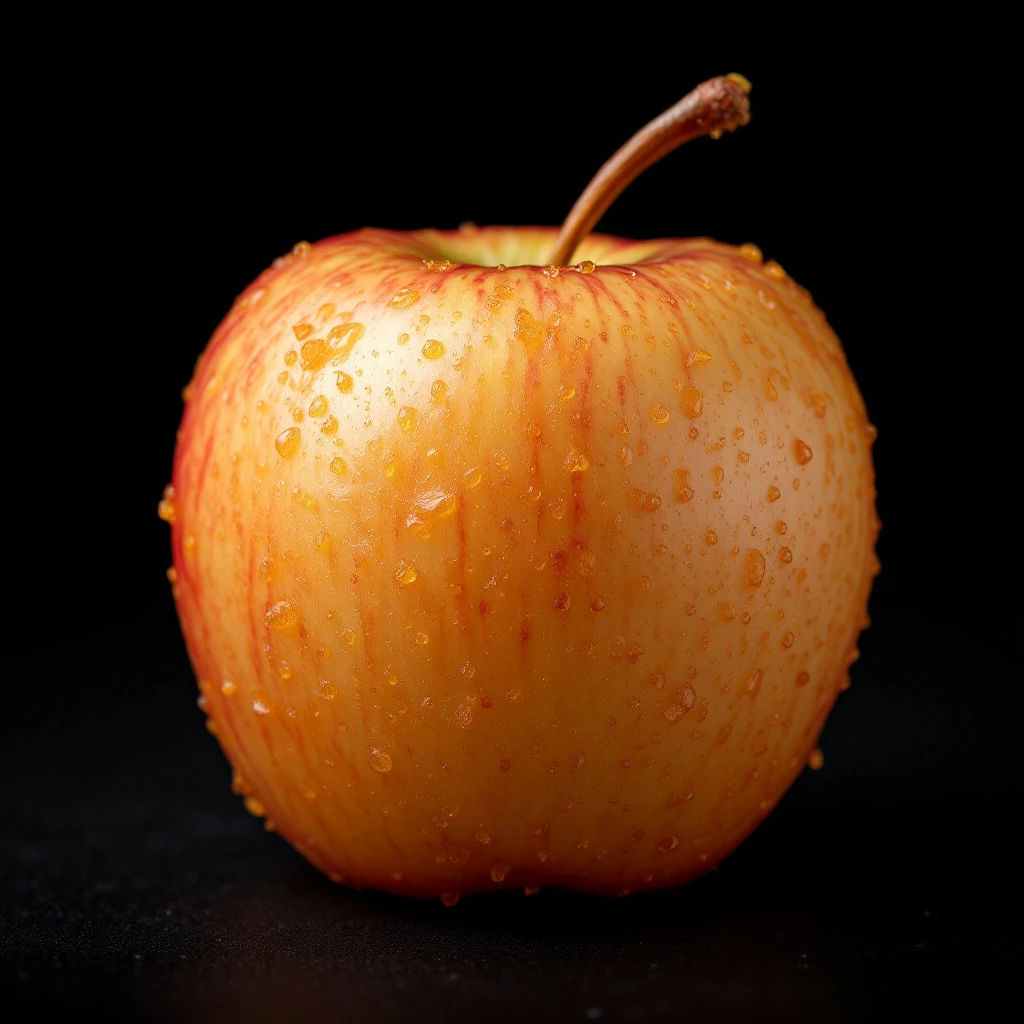
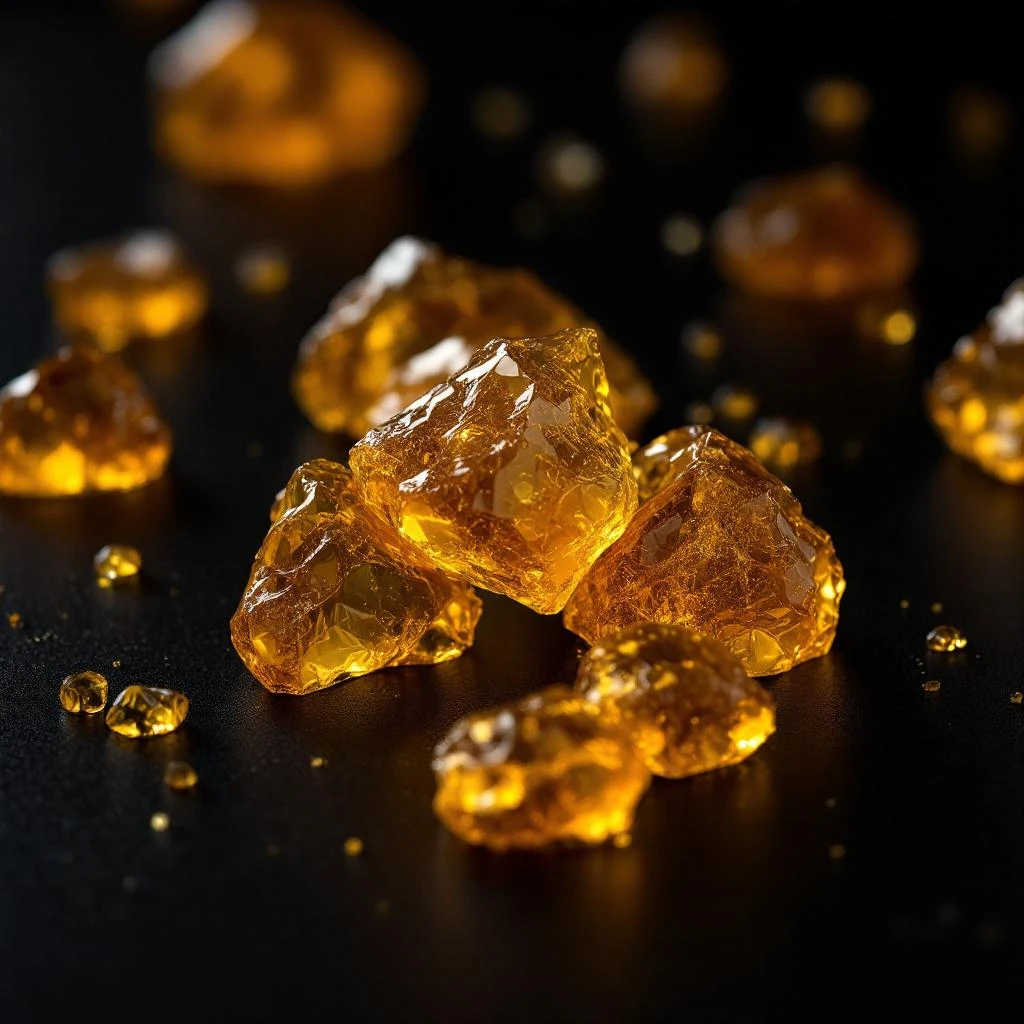
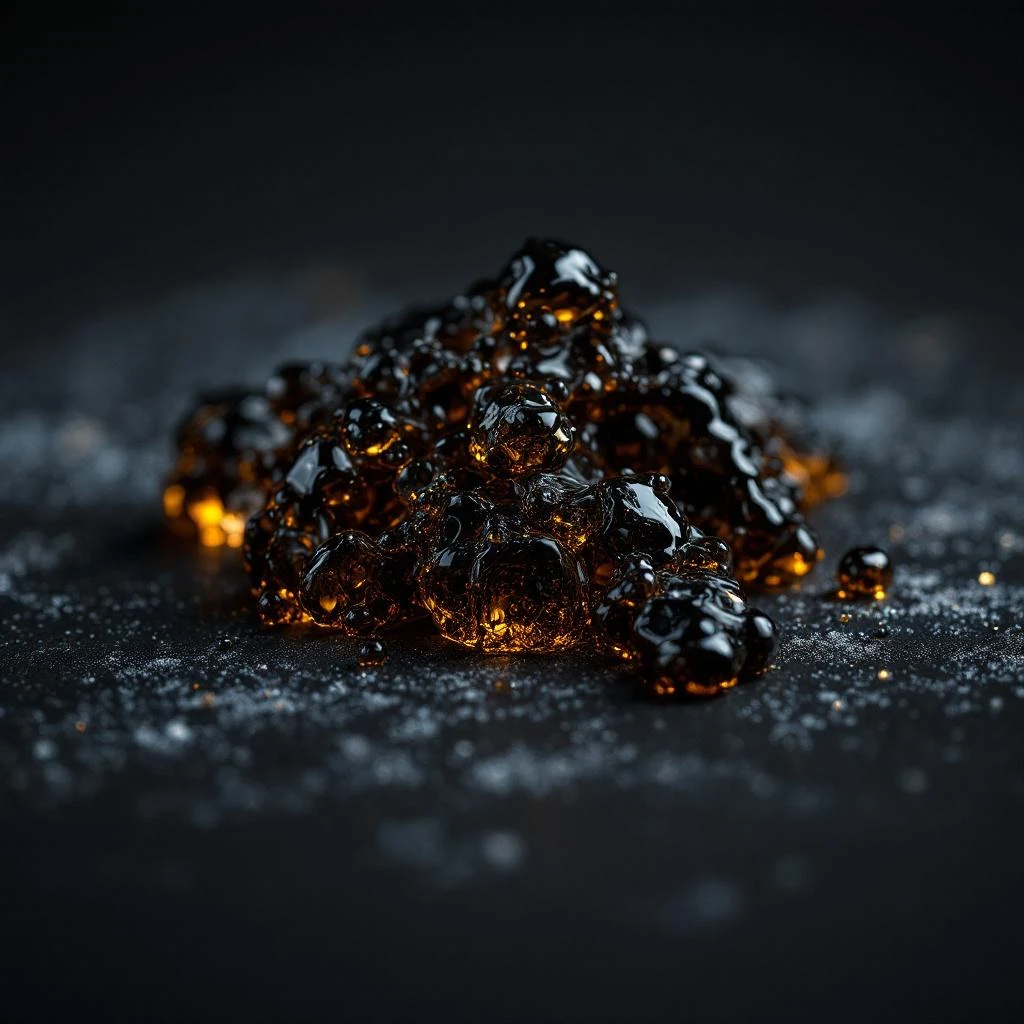
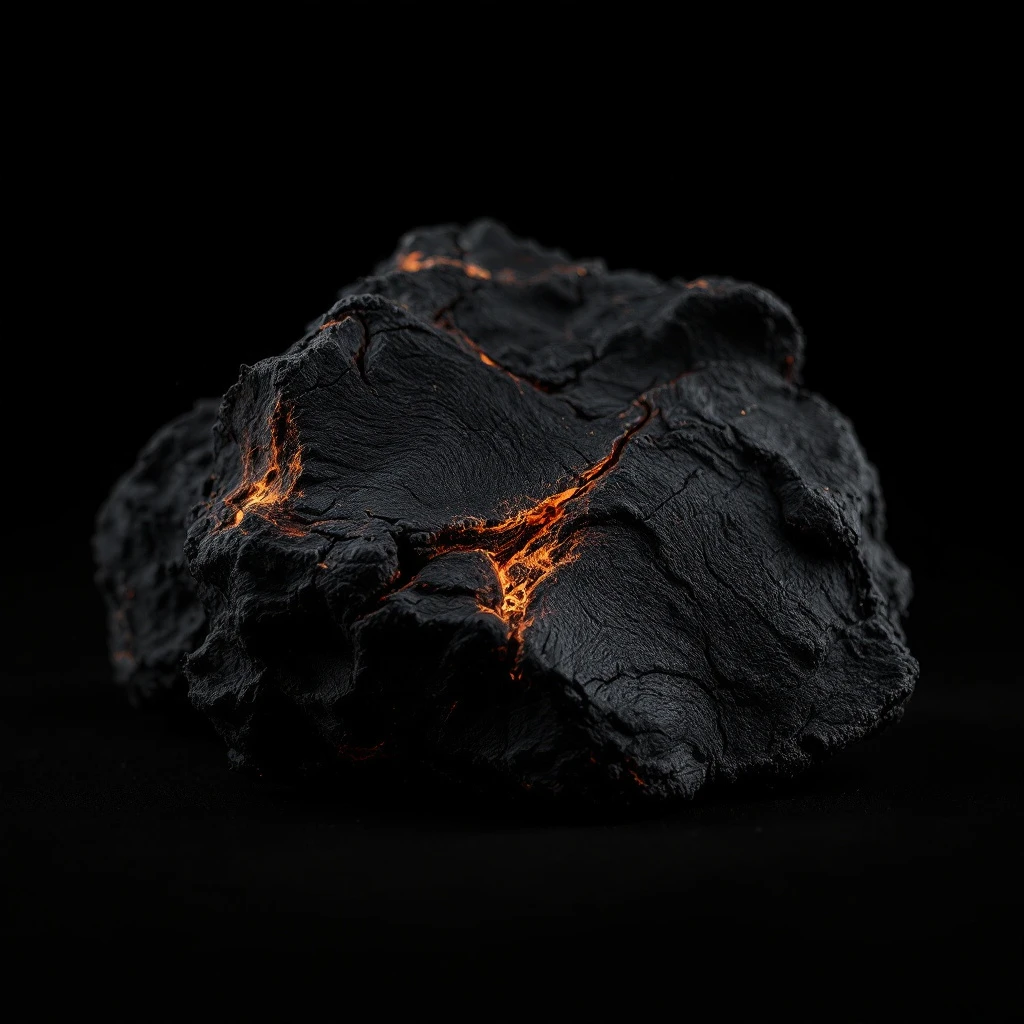
A confection-like accord that fuses crisp apple with deep burnt-sugar warmth. It evokes orchard fruit slow-roasted until the edges darken and the juices thicken into something sticky and golden.
Character
How it smells
Orchard fruit meets burnt sugar.
No commercial apple essential oil exists for perfumery, so caramelized apple is always built from aroma molecules combined with sweet, browning-sugar compounds.

Origin
France
Apples entered perfumery through Arab fragrance traditions of the medieval period, where fruit notes appeared in concentrated attars and incense blends. Early European perfumers struggled to capture apple's fleeting scent. Before modern synthesis, some attempted enfleurage or tincture from the fruit, but yields were weak and inconsistent.
The real breakthrough came with organic chemistry advances between 1889 and 1921, when chemists in Paris isolated fruity esters that could reproduce apple's aroma reliably and at scale. The caramel element arrived on a separate track. Cooked-sugar notes entered fragrance in the late twentieth century as gourmand perfumery took shape, driven by lactones and pyrazines identified in baked goods and roasted coffee.
Stylists began pairing caramel accords with fruit notes, and the caramelized apple combination emerged as a staple in autumnal and edible-themed compositions. Today the accord signals nostalgia, warmth, and seasonal comfort, appearing in everything from oriental fragrances to mainstream commercial launches aimed at evoking baked kitchens and harvest tables.
Wears it best
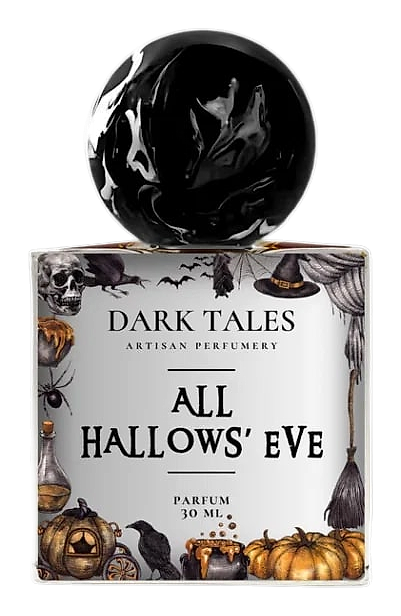
Fragrances featuring Caramelized Apple
Brands
Brands known for Caramelized Apple
Good to know
Questions, answered
The essentials on Caramelized Apple in perfumery: how it smells, where it comes from, and how it behaves on skin.
Is caramelized apple a natural essential oil?
No commercially viable apple essential oil or absolute exists for perfumery. The note is always built synthetically from aroma molecules such as fruity esters and caramel lactones layered together.
What chemicals create the caramelized apple scent?
Perfumery combines fruity esters like ethyl-2-methylbutyrate with Maillard-reaction molecules including ethyl maltol, cyclotene, and furaneol to produce the warm, sugary effect.
When was caramelized apple first used in perfumery?
Apple notes appeared in medieval Arab perfumery, but the caramelized version emerged in the late twentieth century when gourmand styles paired fruit esters with cooked-sugar bases.
Does caramelized apple smell like a real cooked apple?
Skilled accords come close, layering bright apple esters with roasted-sugar molecules. However, perfumers adjust the balance for skin chemistry and longevity rather than strict realism.
Why can't perfumers extract apple oil directly?
Apple's key aroma compounds are volatile and water-soluble, meaning they degrade or wash away during distillation. Synthetic reproduction remains the only practical route.
Is caramelized apple a base, heart, or top note?
It typically spans heart and base, since the caramel lactones and pyrazines give depth and staying power while the fruity esters lift the opening.
What fragrance families use caramelized apple?
The accord appears most often in gourmand, oriental, and fruity-floral compositions, especially those built around warmth, sweetness, or autumnal themes.
Are caramelized apple fragrances vegan?
The accord itself is plant-derived and synthetic, with no animal materials required. Whether a finished fragrance is vegan depends on the full formula, including musks and fixatives.