Capitiú
Capitiú brings an unexpected depth to fragrance compositions, a Brazilian botanical with a quiet intensity that has drawn perfumers seeking distinctive natural materials beyond the conventional palette.

Character
How it smells
A Brazilian botanical with an earthy, complex soul
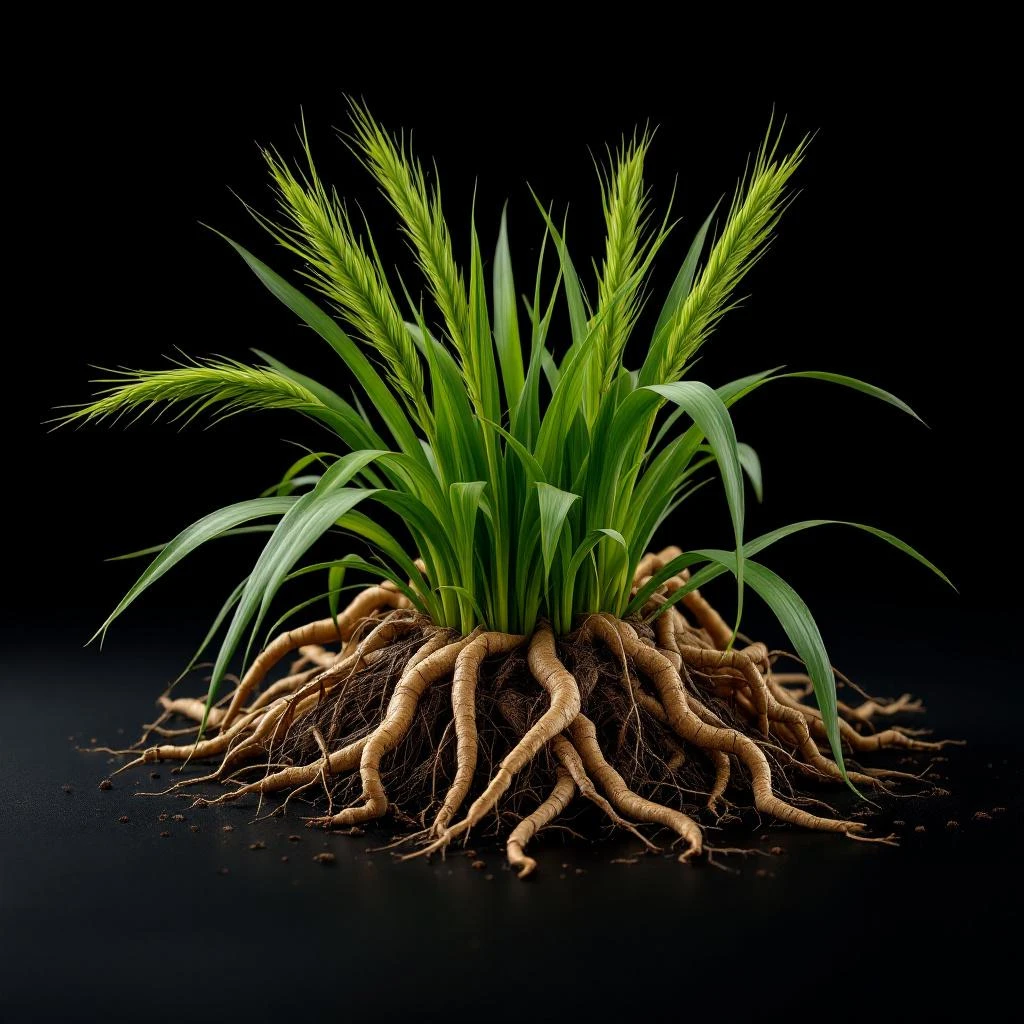
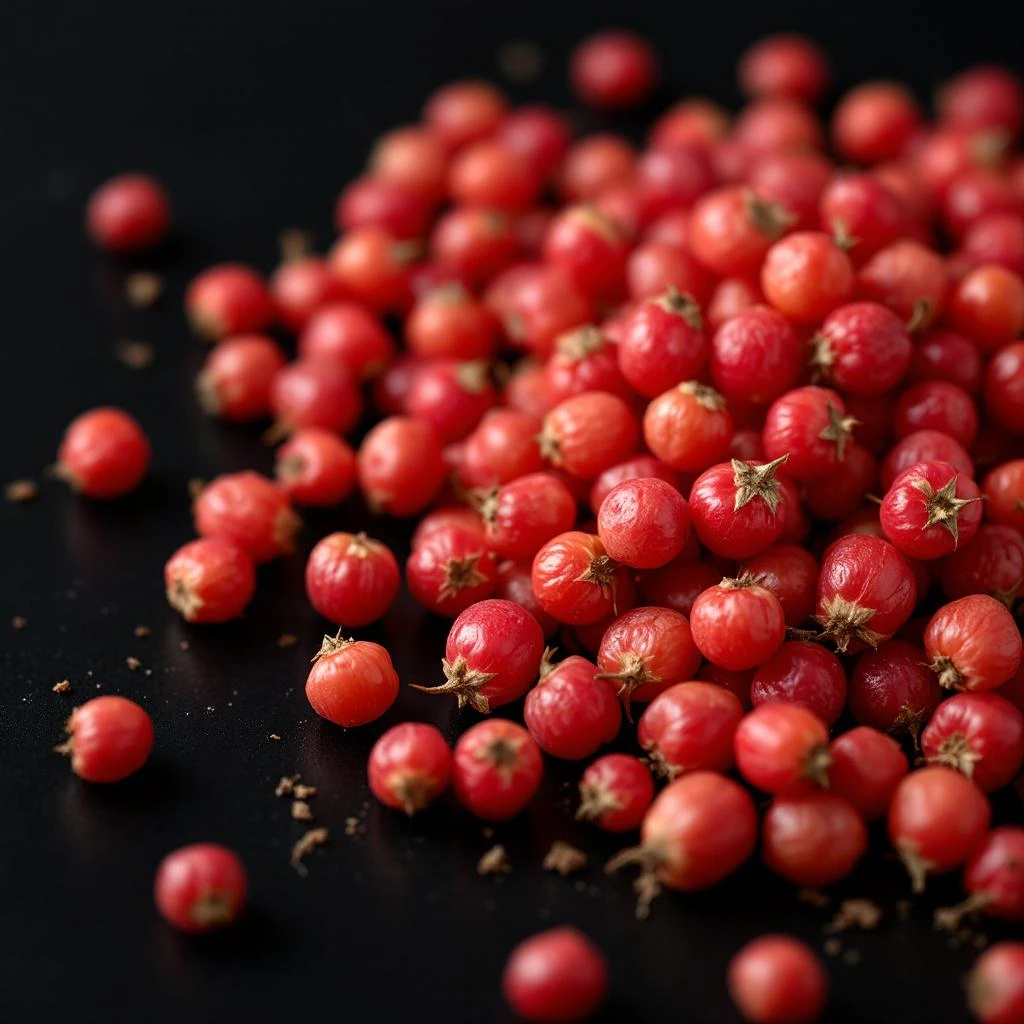
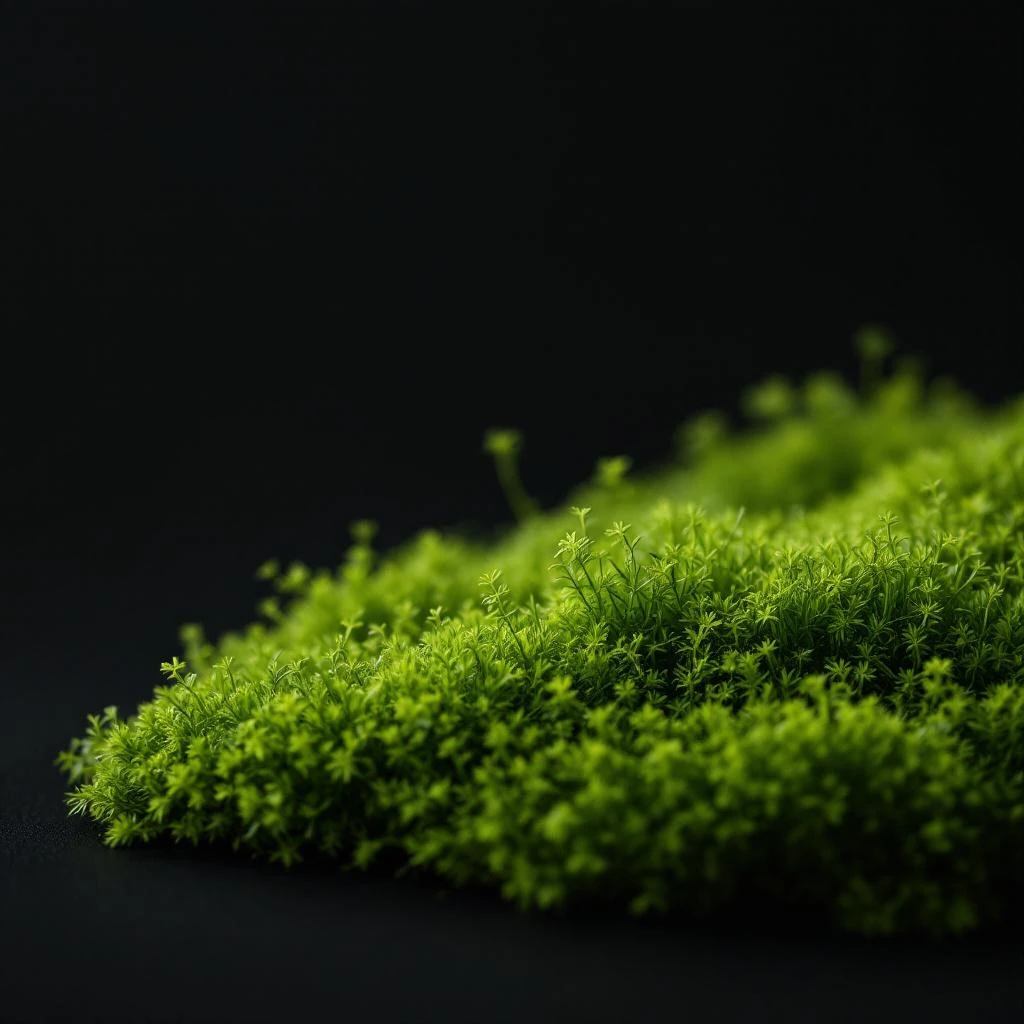
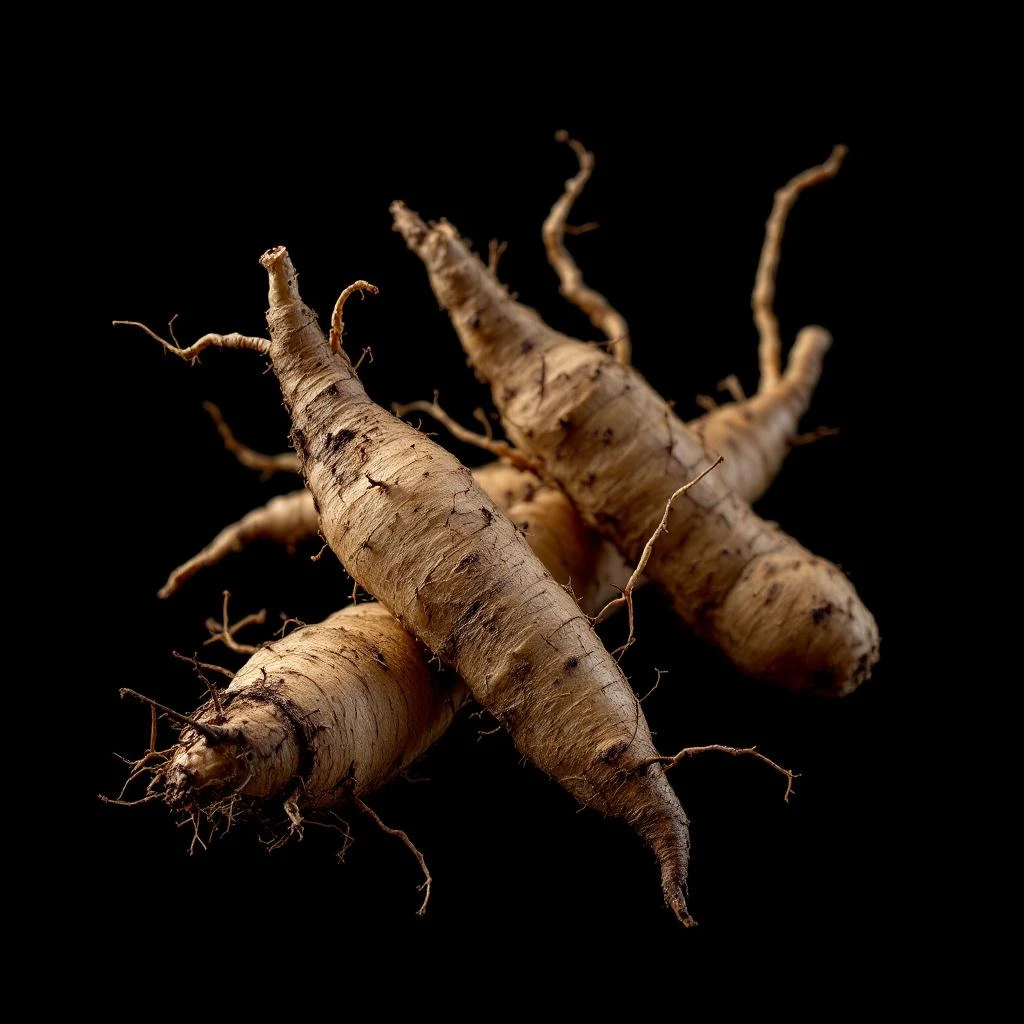
Capitiú grows wild across southeastern Brazil, often found in the same landscapes that produce prized hardwoods and aromatic resins.






Origin
Brazil
Indigenous Brazilian communities first documented Capitiú's aromatic properties centuries ago, using the plant in ceremonial preparations and personal adornment. European traders encountered the ingredient during the colonial period but rarely brought it to international markets, keeping it within regional traditions.
Brazilian perfumers began systematically studying Capitiú in the late twentieth century, recognizing its potential to add regional character to fragrance work. Today, it remains a niche material, used primarily by artisans creating compositions that honor Brazilian botanical heritage.
Wears it best
Fragrances featuring Capitiú
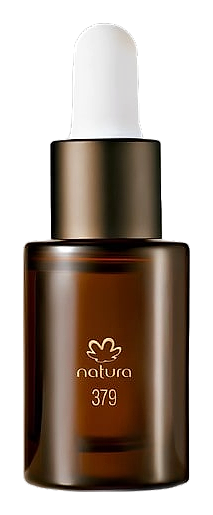
Brands
Brands known for Capitiú
Good to know
Questions, answered
The essentials on Capitiú in perfumery: how it smells, where it comes from, and how it behaves on skin.
What does Capitiú smell like?
Capitiú offers an earthy, green profile with subtle sweetness and dry undertones. It resembles a blend of fresh-cut grass and damp soil, with slight resinous qualities that add depth.
Is Capitiú a natural or synthetic ingredient?
Capitiú is a natural botanical ingredient sourced from wild Brazilian flora. It undergoes steam distillation to produce the aromatic material used in perfumery.
Where does Capitiú grow?
This ingredient originates from southeastern Brazil, thriving in the Atlantic Forest regions of Minas Gerais and Rio de Janeiro states where humidity and soil conditions support its growth.
How is Capitiú harvested?
Harvest occurs during the dry season when aromatic concentration peaks. Workers collect leaves and tender stems by hand, carefully to avoid damaging the plants for future harvests.
Is Capitiú commonly used in perfumery?
Capitiú remains a niche ingredient found primarily in artisanal and Brazilian regional perfumery. It appears less frequently than more established naturals like sandalwood or jasmine.
Does Capitiú appear in commercial fragrances?
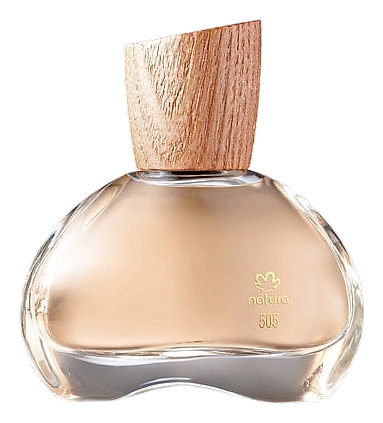
Capitiú shows up mainly in independent fragrances from Brazilian houses and artisan perfumers. It is rarely listed in major commercial releases due to limited supply and regional availability.
What fragrance families pair well with Capitiú?
Capitiú works well in earthy, green, and fougère compositions. It pairs naturally with vetiver, Brazilian cedar, and herbaceous materials like sage and artemisia.
Is Capitiú sustainable to source?
Small-scale wild harvesting and cultivation programs in Brazil support sustainable sourcing. Established practices emphasize leaving enough plants to regenerate for future harvests.