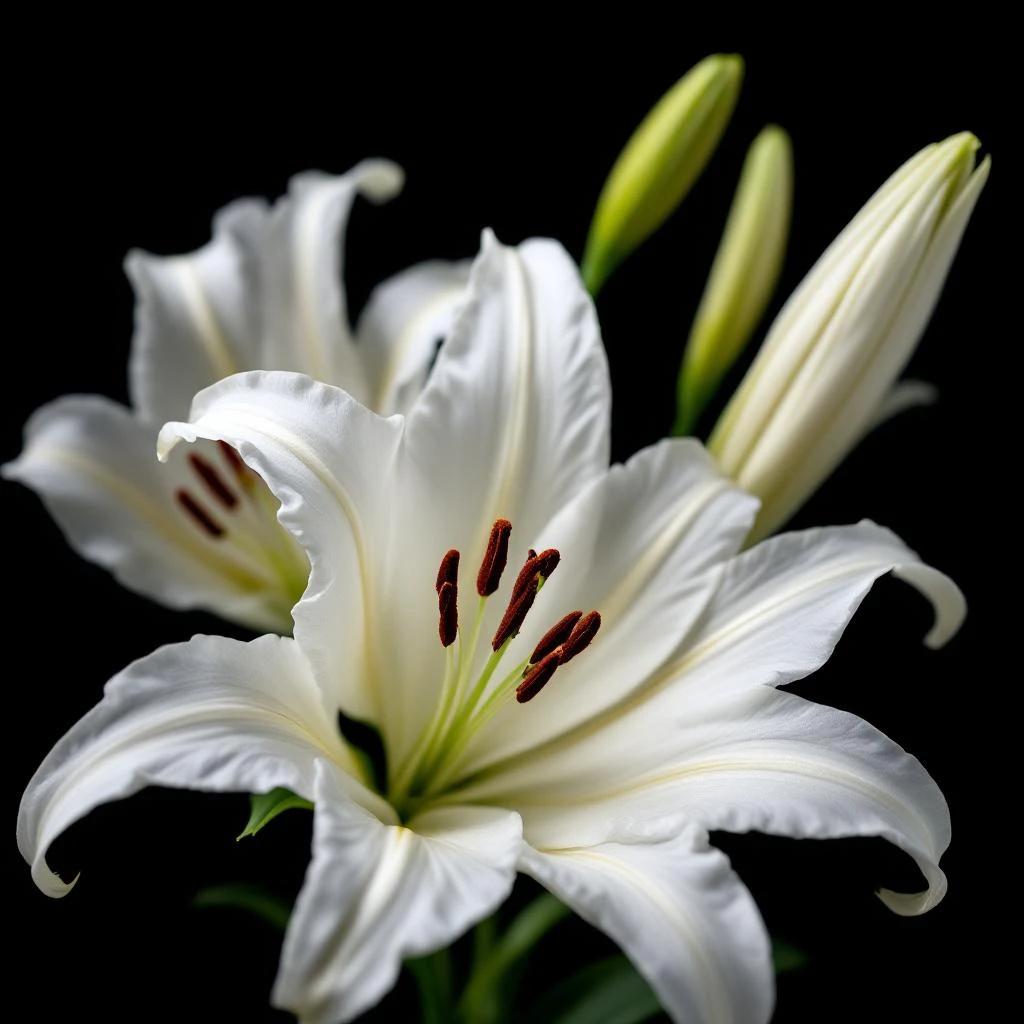
Blue Anemone
Blue anemone brings a cool, dewy quality to fragrances, evoking morning air over coastal hillsides. The fresh, green floral character adds transparency without the sweetness of rose or jasmine.
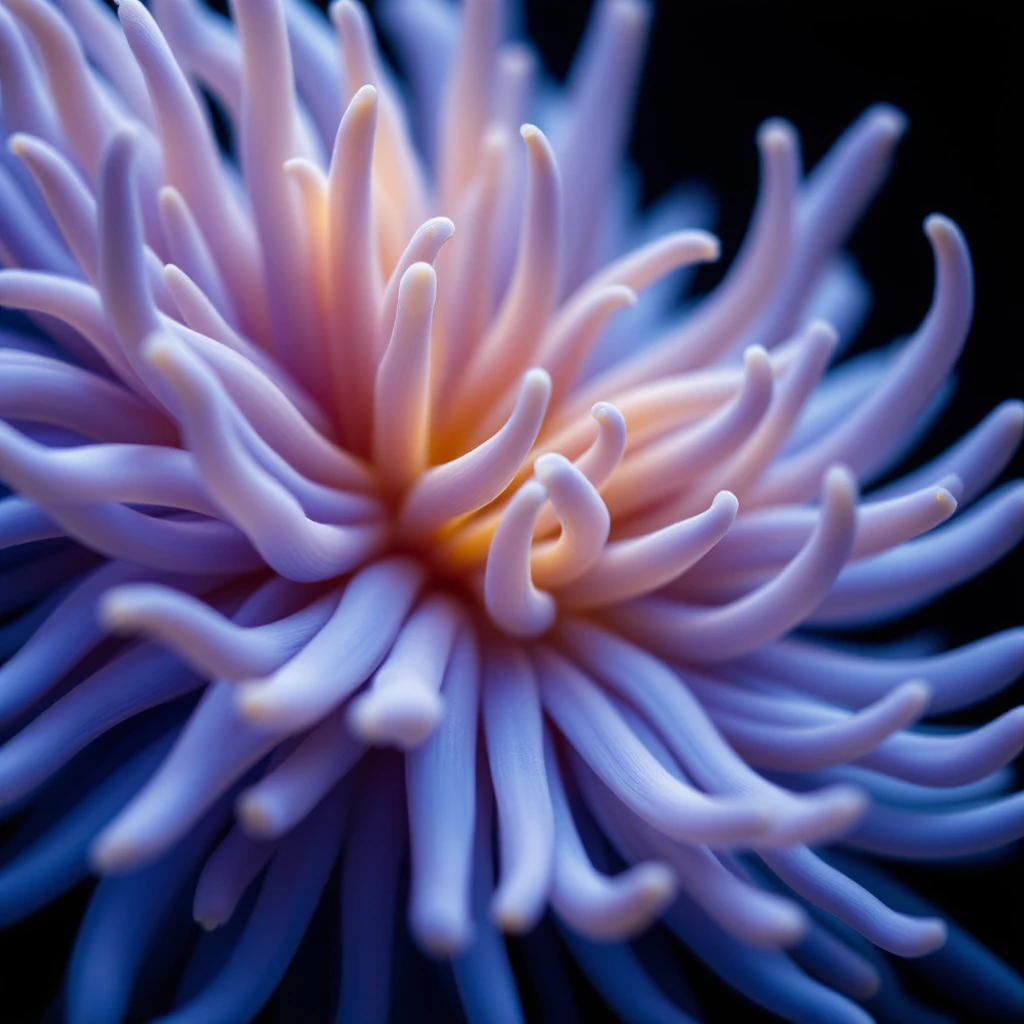
Character
How it smells
Dew on wild petals
The genus name Anemone derives from the Greek word for wind, earning these flowers the nickname 'windflower' across Mediterranean folklore.






Origin
Greece
The anemone has woven itself through European botanical tradition since antiquity. Pliny the Elder documented the flower in his Natural History, noting how Greek physicians valued it as a wound treatment. Medieval herbalists carried anemone forward into apothecary practice across monastery gardens from England to Italy.
The wildflowers blanketed hillsides across the Mediterranean, becoming part of pastoral imagery in art and literature. By the Renaissance, anemones appeared in botanical illustrations by Dodoens and Clusius, who classified dozens of Mediterranean varieties. Their association with wind and spring renewal made them symbols of anticipation.
The flower's transition into perfumery came slowly, as extracting meaningful scent from such delicate petals challenged traditional methods. Modern perfumers eventually captured that elusive freshness through synthetic recreation, making the cool, watery note accessible beyond the wild meadows where anemones originally bloomed.
Wears it best
Fragrances featuring Blue Anemone
Brands
Brands known for Blue Anemone
Good to know
Questions, answered
The essentials on Blue Anemone in perfumery: how it smells, where it comes from, and how it behaves on skin.
What does blue anemone smell like in perfume?
Blue anemone adds a cool, dewy freshness with green undertones and a soft floral quality. It smells airy and watery, resembling morning air near wild Mediterranean meadows, without the heavy sweetness of rose or jasmine.
Is blue anemone a natural or synthetic perfume ingredient?
Most blue anemone notes in modern perfumery are synthetic reconstructions. The flower's petals yield too little natural oil for commercial extraction, so perfumers use lab-created molecules like methyl dihydrojasmonate to capture its character.
Where does blue anemone grow naturally?
Anemone flowers grow wild across the Mediterranean, particularly in Greece, Turkey, and parts of southern Italy. They thrive in rocky hillsides and olive groves, blooming from March through May.
Why is blue anemone hard to extract as a natural ingredient?
Anemone petals are too delicate and contain too little essential oil for viable commercial distillation. Solvent extraction yields minimal absolute, making natural blue anemone economically impractical for most perfume houses.
What fragrances commonly use blue anemone notes?
Blue anemone appears in several niche and mainstream fragrances, particularly fresh florals and aquatic compositions. It pairs well with green notes, white musks, and watery accords seeking a natural, airy quality.
What does blue anemone pair well with in perfume blends?
Blue anemone complements violet leaf, fig leaf, and green tea notes beautifully. It also works alongside white musks, marine accords, and soft florals like lily of the valley for transparent, springlike compositions.
What is the difference between blue anemone and regular anemone in perfumery?
Color has no olfactory significance in perfumery. Blue anemone refers to the visual impression the note evokes, while both blue and white anemone species share similar delicate, green-floral aromatic characteristics.
How long does the blue anemone note last on skin?
Blue anemone is a top to heart note, typically lasting one to three hours depending on concentration and formulation. It fades faster than base notes like musk or woods, contributing its freshness early in the drydown.