    Brand Profile

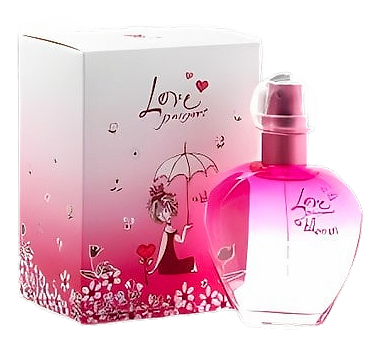
    Love Passport is a niche fragrance label that frames scent as a personal journey. The brand’s catalogue, launched at the turn of the millenn…More

    France·Est. 1999·Site

    4.3

    Rating

    20
    Rosy Sky Happiness by Love Passport
    Best Seller
    4.3

    Rosy Sky Happiness

    One Love by Love Passport
    Best Seller
    4.6

    One Love

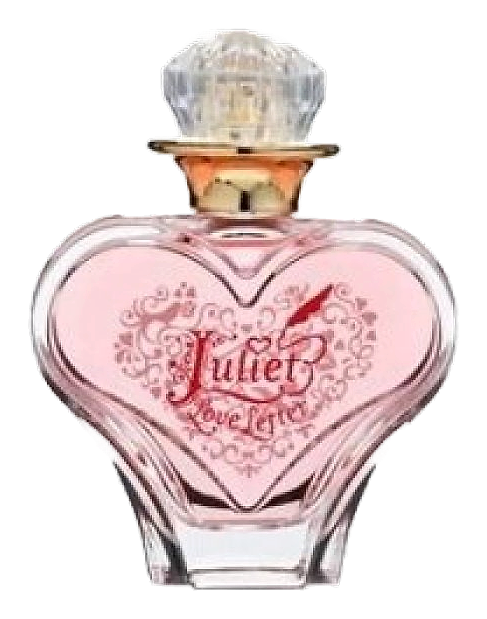
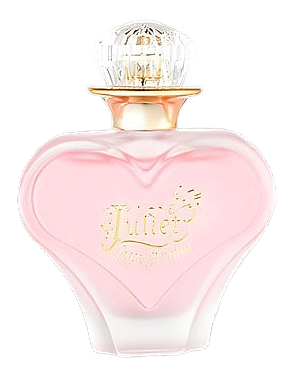
    Juliet Love Letter by Love Passport
    Best Seller
    4.4

    Juliet Love Letter

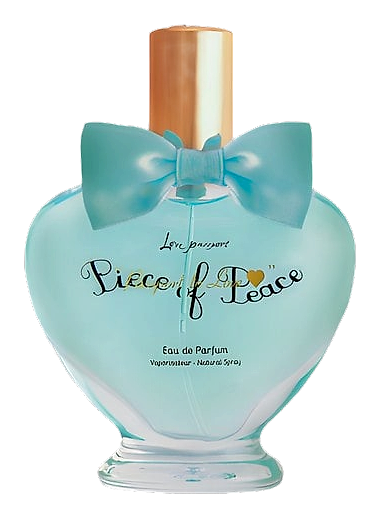
    Piece of Peace by Love Passport
    4.2

    Piece of Peace

    Serendipity by Love Passport
    4.2

    Serendipity

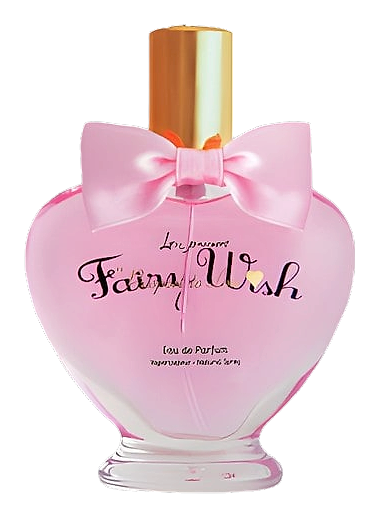
    Fairy Wish by Love Passport
    4.1

    Fairy Wish

    Rosy Sky by Love Passport
    4.0

    Rosy Sky

    Romeo Sweet Melody by Love Passport
    4.0

    Romeo Sweet Melody

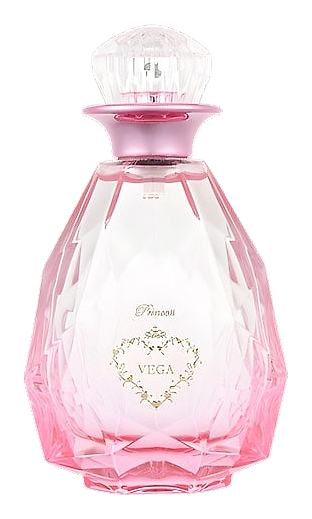
    Princess Vega by Love Passport
    4.0

    Princess Vega

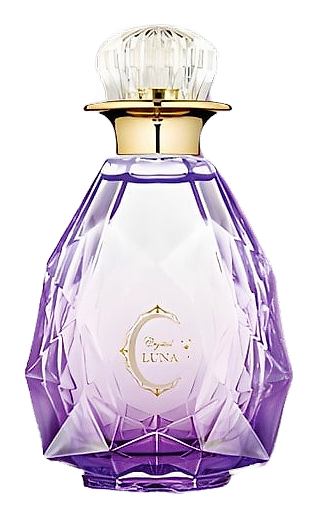
    Crystal Luna by Love Passport
    4.0

    Crystal Luna

    Love Passport by Love Passport
    3.8

    Love Passport

    A Bloom by Love Passport
    3.6

    A Bloom

    1 of 2

    The Heritage

    The Story of Love Passport

    Love Passport is a niche fragrance label that frames scent as a personal journey. The brand’s catalogue, launched at the turn of the millennium, reads like a series of love letters to moments, places and emotions. Signature releases such as One Love (2000) and Juliet Love Letter (2009) illustrate a consistent focus on narrative‑driven composition, while newer offerings like Serendipity (2011) expand the story‑telling palette. Though the house operates without a high‑profile celebrity perfumer, its creations have attracted attention from independent reviewers for their clarity of theme and careful ingredient balance.

    Heritage

    The origins of Love Passport are modest and not widely chronicled in mainstream perfume histories. According to the brand’s own archival notes, the label was founded in Paris in the late 1990s by a collective of fragrance enthusiasts who wanted to move beyond seasonal trends and instead craft scents that functioned as emotional passports. The first public release, One Love, arrived in 2000 and was positioned as a celebration of universal connection; it was followed closely by Piece of Peace and Romeo Sweet Melody, both also released in 2000. Early press coverage in niche perfume blogs highlighted the brand’s emphasis on storytelling rather than celebrity endorsement, a stance that set it apart from many contemporaries. In 2009 the house introduced Juliet Love Letter, a floral‑amber composition that referenced Shakespearean romance and earned a modest but positive reception in European fragrance forums. The subsequent decade saw a steady cadence of releases: Princess Vega (2010) explored a more celestial motif, while Serendipity (2011) blended unexpected accords to evoke chance encounters. Throughout its development, Love Passport has maintained a low‑key market presence, distributing primarily through boutique retailers and its own e‑commerce platform. The brand’s limited‑edition drops, such as Fairy Wish and Rosy Sky Happiness, have been noted for their short production runs, reinforcing a sense of exclusivity without overt marketing hype. While the house has not amassed major industry awards, it has been cited in several independent fragrance round‑ups for its consistent thematic approach and for maintaining a small‑batch production ethic that appeals to collectors seeking depth over volume.

    Craftsmanship

    Production at Love Passport follows a small‑batch model that blends artisanal techniques with modern quality controls. Formulations are developed in a Parisian studio where a core team of formulators experiments with accord structures before finalizing a recipe. Once a composition is approved, the blend is transferred to a partner laboratory that specializes in low‑volume batch distillation, allowing precise temperature management that preserves volatile top notes. Natural raw materials, such as Indian sandalwood and Turkish jasmine, are sourced from certified farms that adhere to fair‑trade principles; the brand’s procurement records, posted on its site, show traceability back to the growers. Synthetic aroma chemicals are chosen from reputable suppliers with documented safety data, ensuring compliance with IFRA standards. After blending, the perfume rests in stainless‑steel vats for a maturation period ranging from three to six months, a practice that smooths the interaction between ingredients. Quality assurance involves gas‑chromatography analysis to verify concentration levels and to detect any off‑notes. Bottling occurs in a controlled environment where each bottle is hand‑filled, capped, and sealed with a tamper‑evident cap. The glass is sourced from a French manufacturer known for its low‑iron composition, which enhances visual clarity. Final products undergo a sensory audit by a panel of trained noses before being approved for release. This meticulous chain—from ingredient sourcing to final audit—reflects the brand’s commitment to delivering scents that are both narratively coherent and technically sound.

    Design Language

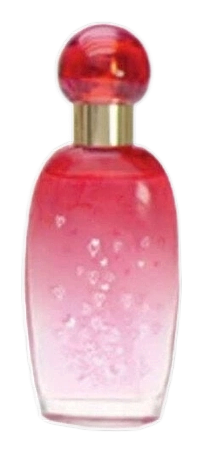
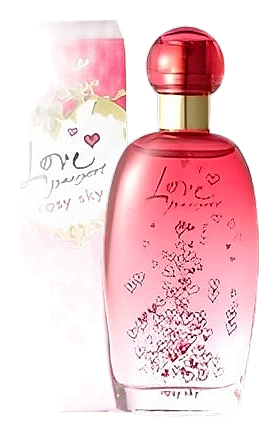
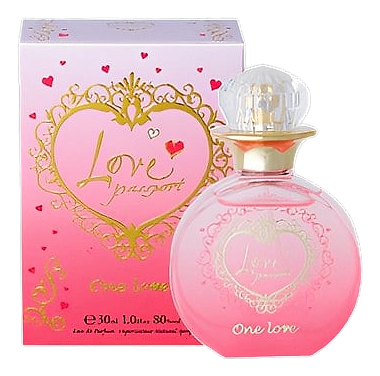
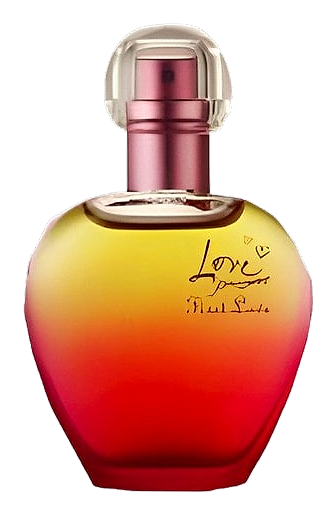
    Visually, Love Passport adopts a minimalist yet evocative language. Bottles are typically clear glass with slender, tapered necks, allowing the perfume’s hue to become the focal point. Labels feature a thin gold foil stamp of a stylized passport stamp, reinforcing the travel motif without overwhelming the design. The typography is a clean sans‑serif, set in all caps, which conveys a contemporary feel while remaining legible on small surfaces. Packaging boxes are matte black with subtle embossing of the brand’s logo, offering a tactile contrast to the glossy bottle inside. For limited editions, the brand occasionally introduces a colored glass element—such as a soft pink for Rosy Sky Happiness—to hint at the fragrance’s character. Marketing imagery, when present, favors intimate, candid moments: a couple sharing a glance, a solitary figure gazing out a train window, or a handwritten note placed beside a bottle. This visual strategy aligns with the brand’s narrative ethos, positioning each scent as a personal memento rather than a status symbol. The overall aesthetic balances understated elegance with storytelling cues, inviting consumers to explore the scent’s inner world before even uncapping the bottle.

    Philosophy

    Love Passport frames perfumery as a form of personal correspondence. The brand’s creative brief, as outlined in its public statements, encourages each fragrance to act as a sealed envelope that the wearer can open at any moment, recalling a specific feeling or place. This narrative‑first philosophy drives ingredient selection: natural extracts are paired with synthetics only when they serve the story, not merely to add sparkle. Sustainability is addressed through selective sourcing; the house reports that it works with growers who practice responsible harvesting, especially for delicate notes such as Bulgarian rose and Madagascan vanilla. Transparency is another pillar: ingredient lists are published on the website, allowing consumers to trace the lineage of each component. The brand also values modesty in presentation, avoiding flamboyant advertising in favor of word‑of‑mouth recommendations from fragrance enthusiasts. Community engagement occurs through limited‑edition releases announced on social platforms, where the brand invites followers to share the personal memories the scents evoke. This reciprocal dialogue reinforces the idea that a perfume is not just a product but a shared experience, a passport stamped with the wearer’s own stories.

    Key Milestones

    1999

    Love Passport is founded in Paris by a collective of fragrance enthusiasts seeking a narrative‑driven approach.

    2000

    Launch of the first trio of fragrances: One Love, Piece of Peace, and Romeo Sweet Melody, establishing the brand’s storytelling framework.

    2009

    Juliet Love Letter releases, marking the brand’s first major thematic shift toward literary inspiration.

    2010

    Princess Vega debuts, introducing celestial motifs and expanding the brand’s olfactory palette.

    2011

    Serendipity arrives, showcasing the house’s willingness to blend unexpected accords for a chance‑encounter vibe.

    2015

    The brand begins limited‑edition releases, such as Fairy Wish, emphasizing scarcity and collector appeal.

    At a Glance

    Brand profile snapshot

    Origin

    France

    Founded

    1999

    Heritage

    27

    Years active

    Collection

    1

    Fragrances released

    Avg Rating

    4.3

    Community sentiment

    Release Rhythm

    2011
    1
    2010
    3
    2009
    1
    2008
    1
    2000
    6
    lovepassport.com

    Did You Know?

    Interesting Facts

    Distinctive details and defining moments that shape the house personality.

    01

    The name "Love Passport" was inspired by the founders’ belief that scent can serve as a travel document for the heart.

    02

    One Love (2000) was formulated using a rare variety of Indian rose that yields only 2 kg of essential oil per hectare.

    03

    Juliet Love Letter incorporates a micro‑encapsulated note of vanilla that releases a subtle aroma when the bottle is warmed by hand.

    04

    The brand’s limited‑edition bottles are hand‑blown by a single artisan in a workshop near Limoges, France.