Blackcurrant Seed
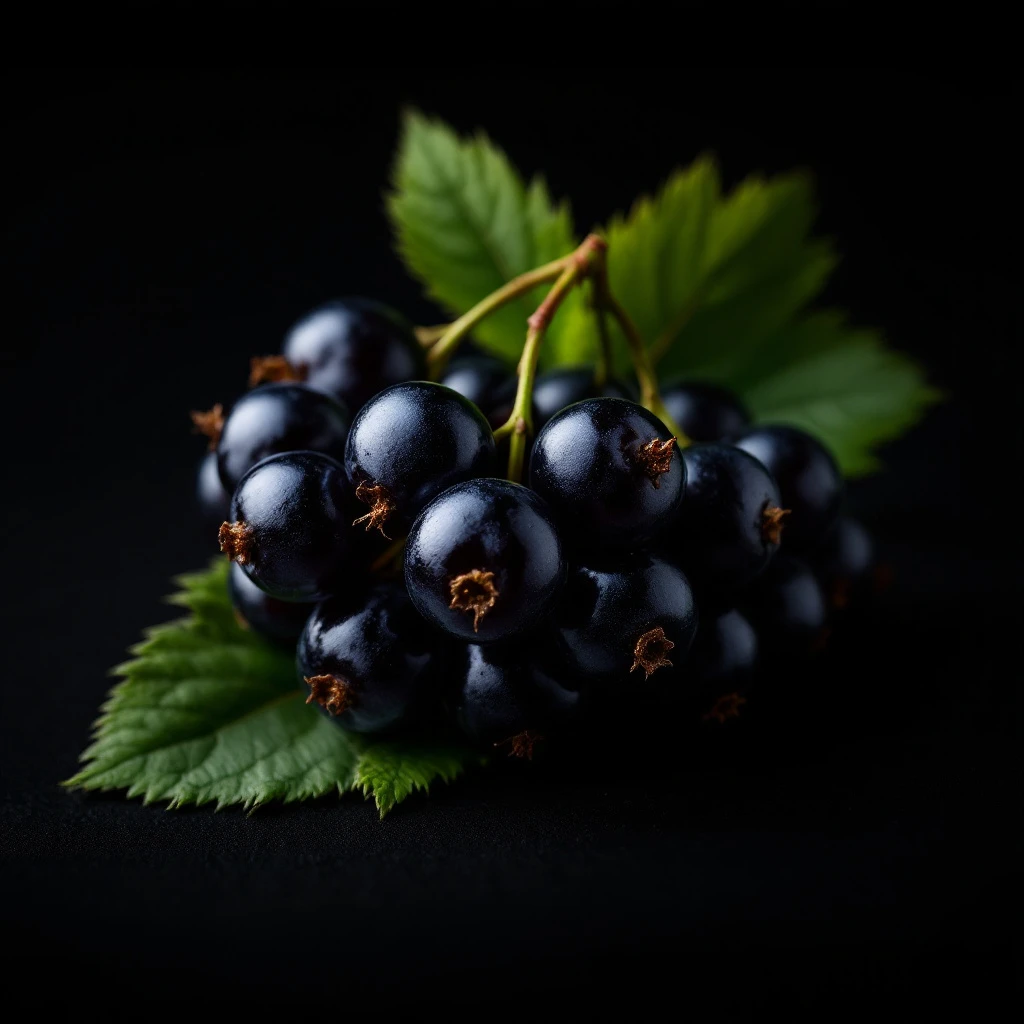
Blackcurrant seed yields a subtle, green-tinged fixed oil prized in natural perfumery for its soft, fruity depth and remarkable skin-conditioning properties in luxury formulations.
Character
How it smells
Quiet green fruit with hidden complexity
Roughly 90% of perfumery-grade blackcurrant buds originate in Burgundy, France, making the region's terroir central to cassis note authenticity.






Origin
France
Blackcurrant has long carried culinary and medicinal associations across northern Europe, where the fruit appears in cordials, liqueurs like crème de cassis, and traditional remedies for inflammation. The plant's botanical name, Ribes nativum, traces through Old French and Italian origins referring to currants in general. In perfumery, the buds gained serious attention beginning in the 1960s and 1970s, when perfumers sought novel green notes beyond galbanum and fig leaf.
The material offered something distinctive: a fruity-green accord with a slightly animalic, sulfurous undertone that read as both naturalistic and sophisticated. Burgundy's dominance in bud production developed alongside the region's cassis liqueur industry, where surplus aromatic material found its way into fragrance houses. By the 1980s, cassis bud absolute had become a signature element in chypre and green floral compositions, lending juicy brightness to compositions built around mossy bases and white florals.
Its modern reputation rests on this dual identity, simultaneously fruity and green, familiar yet unmistakably specific.
Wears it best
Fragrances featuring Blackcurrant Seed
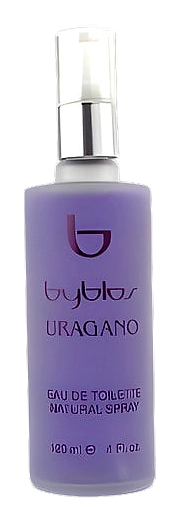
Brands
Brands known for Blackcurrant Seed
Good to know
Questions, answered
The essentials on Blackcurrant Seed in perfumery: how it smells, where it comes from, and how it behaves on skin.
What does blackcurrant seed smell like in perfumery?
Blackcurrant seed contributes a soft, faintly fruity nuance rather than a bold note. The buds, however, deliver the characteristic cassis impression: sharp, green, slightly sulfurous, and catty. Most perfumers use bud absolute for olfactory impact, while seed oil plays a supporting textural role.
Is blackcurrant seed oil used in fragrance or skincare?
Primarily skincare, owing to its gamma-linolenic acid content. In fragrance, it functions as a carrier or conditioning base rather than an aromatic contributor. The aromatic cassis note in perfumes comes almost exclusively from bud absolute, not the seeds.
Where does perfumery-grade blackcurrant come from?
Burgundy in eastern France supplies roughly 90% of the world's perfumery-grade blackcurrant buds. Smaller quantities originate in the Loire Valley and Rhône Valley, where the same varietals benefit from similar continental growing conditions.
When did blackcurrant become a perfumery ingredient?
Blackcurrant bud gained prominence in mainstream perfumery during the 1960s and 1970s, when perfumers began exploring green notes beyond traditional materials such as galbanum. Its catty, fruity-green character fit emerging chypre and green floral aesthetics.
How is blackcurrant bud absolute extracted?
Volatile solvent extraction produces a concrete from the buds, which is then washed with ethanol to yield the absolute. The process preserves the volatile sulfur compounds responsible for cassis's distinctive sharp, green character.
Is blackcurrant seed the same as cassis?
Cassis refers broadly to blackcurrant in fragrance contexts, but perfumery cassis almost always means bud absolute. The seeds yield a fixed oil with minimal scent, used for texture rather than aroma.
Why does the blackcurrant note smell slightly sharp or catty?
The signature sharpness comes from sulfur-containing compounds, particularly certain thiols and catty ketones present in the buds. These molecules register to the human nose as distinctly feline or animalic alongside green and fruity tones.
Can blackcurrant notes be created synthetically?
Yes. Several aroma chemicals replicate cassis character, most notably buchu leaf oil components and specific thiol-based synthetics. These offer cost advantages, though many perfumers consider natural bud absolute richer and more nuanced.





