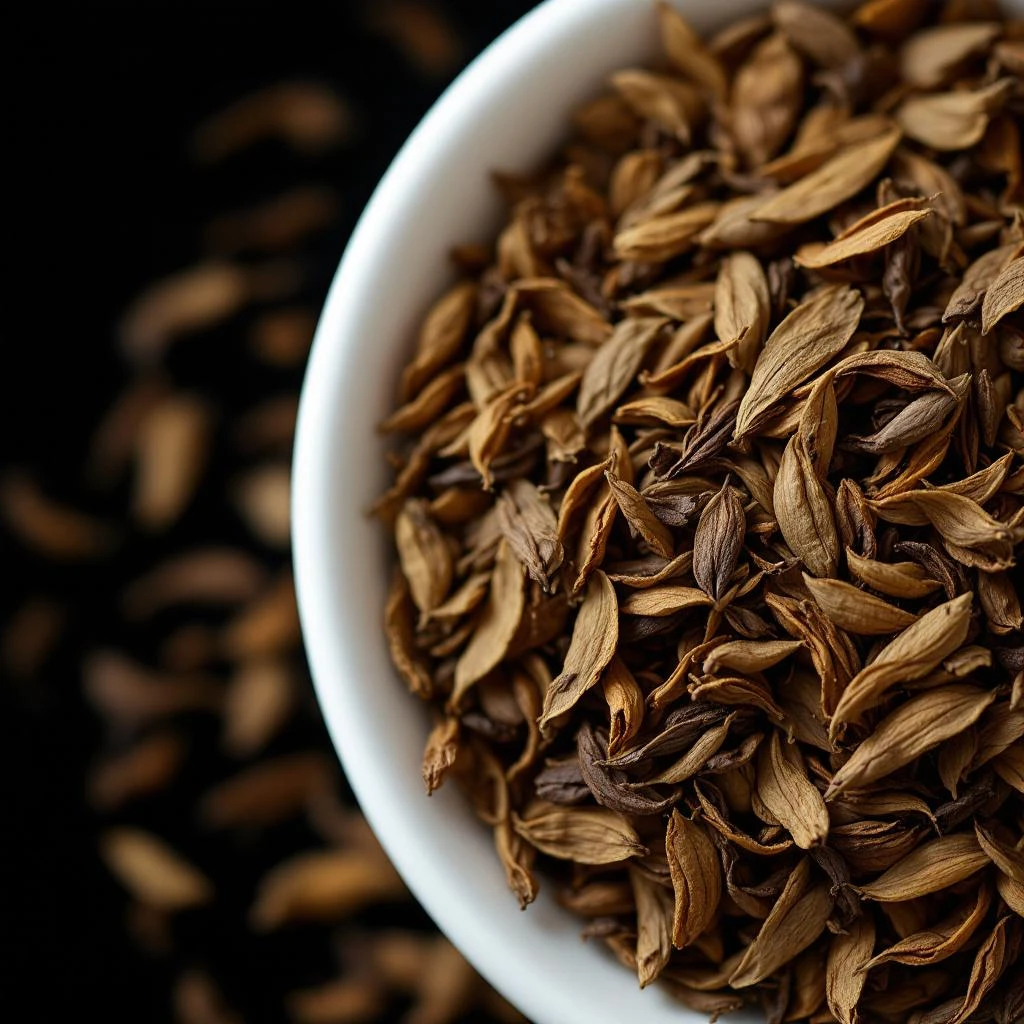
Beachgrass
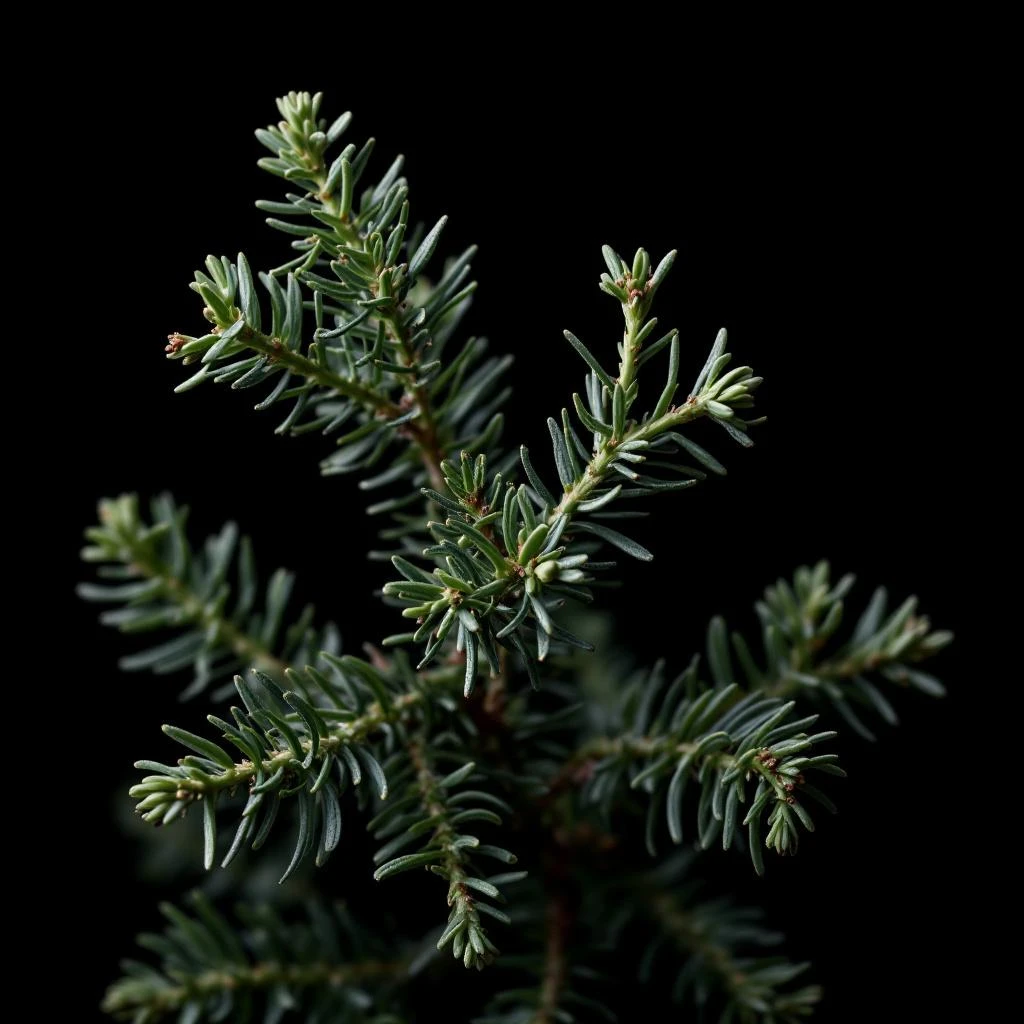
Beachgrass is a wild coastal grass, not a perfume ingredient. Its dry, briny scent appears in fragrances through aroma molecules evoking salt-tinged dune air, sun-warmed straw, and ocean spray.
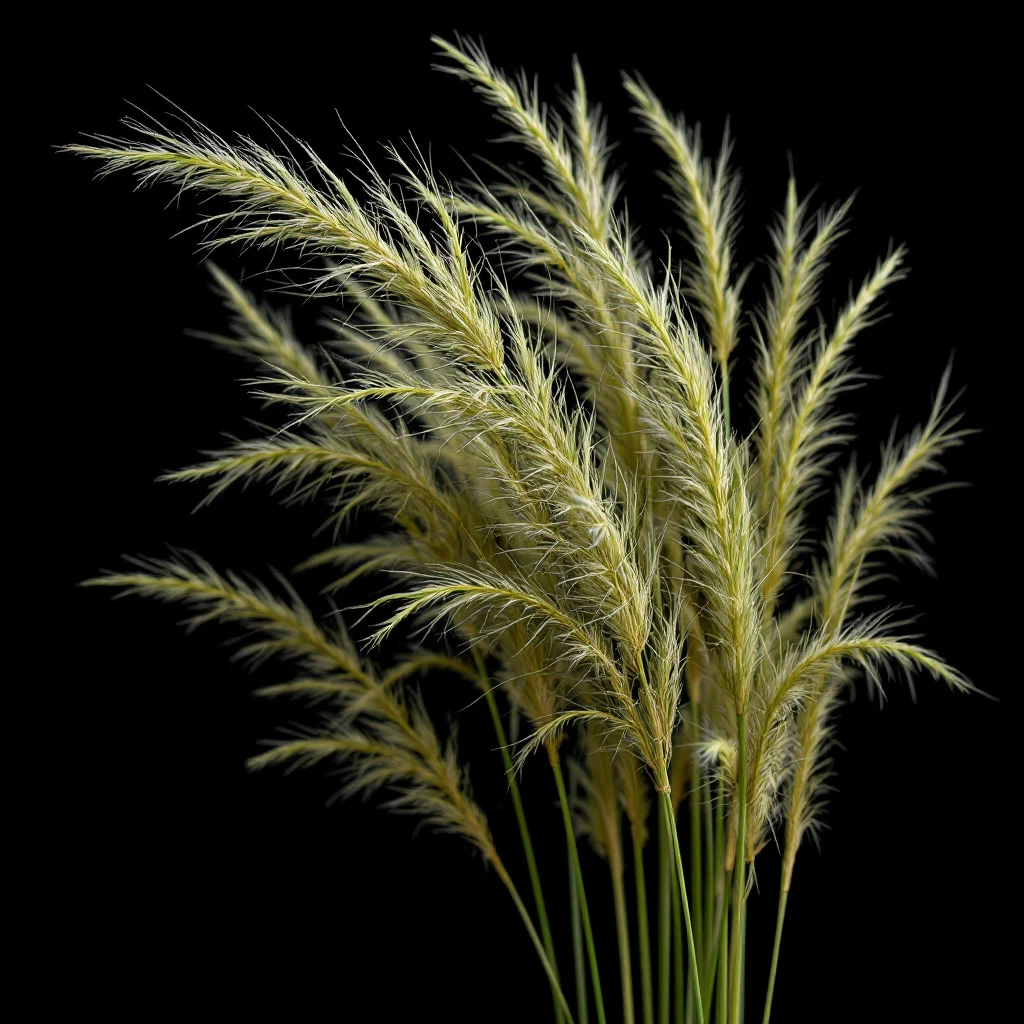
Character
How it smells
Salt air and sun-warmed dune grass
No commercial extraction of Ammophila exists in perfumery; its scent in fragrances is built synthetically from individual aroma molecules rather than distilled from the plant.



Origin
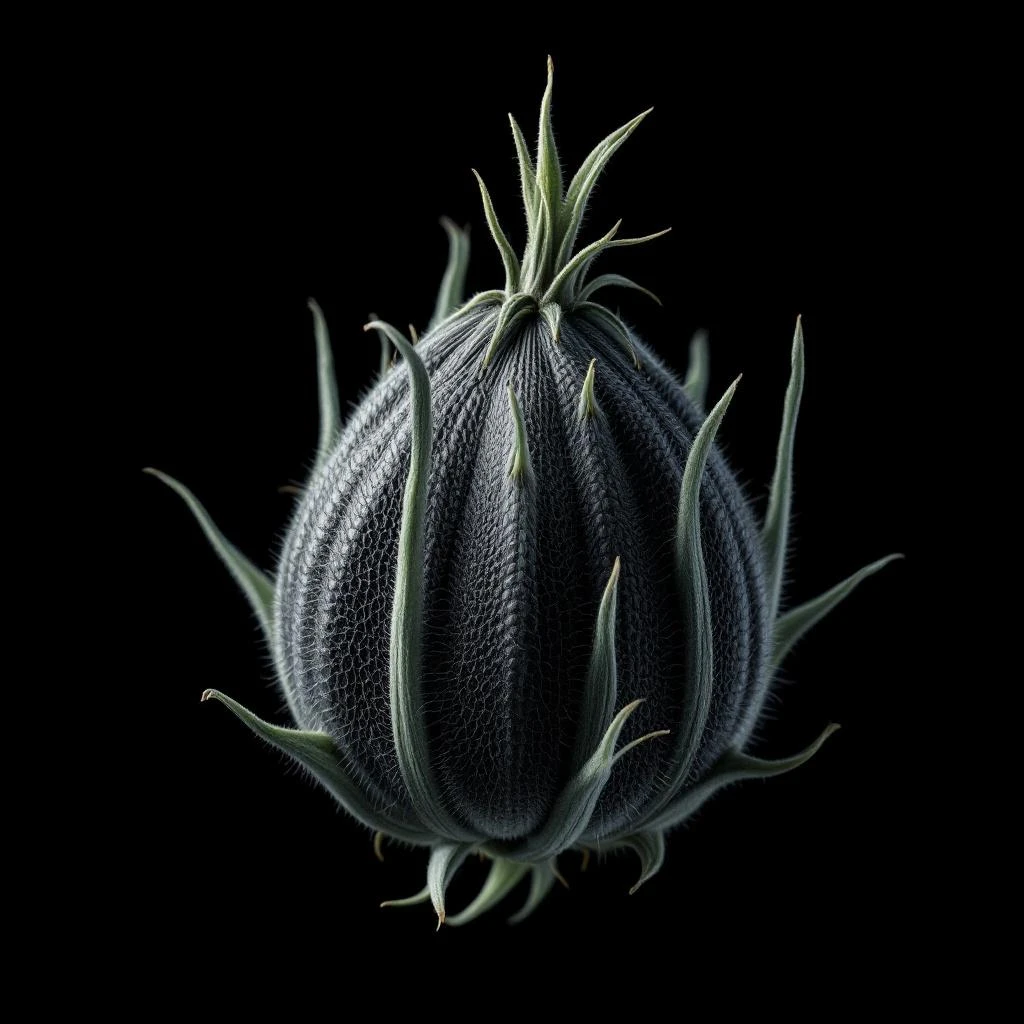
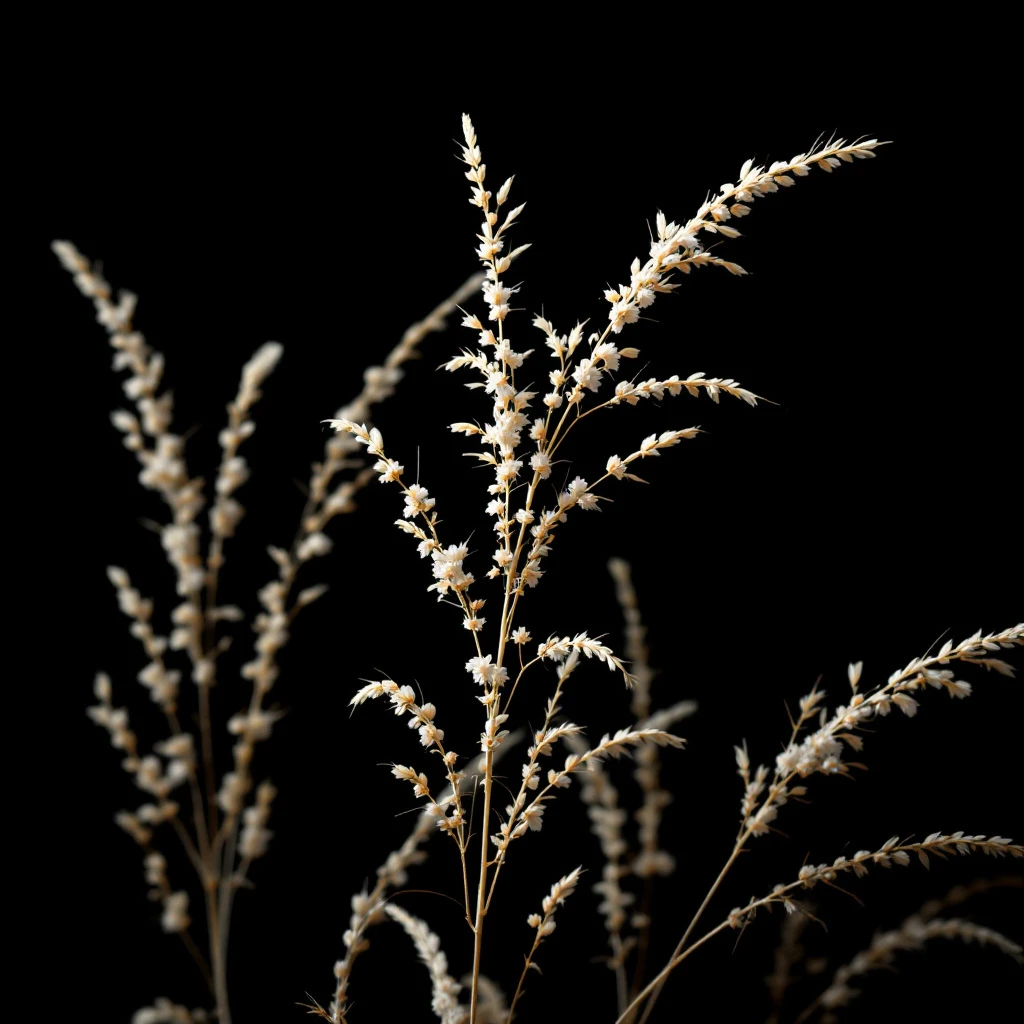
Not applicable (synthetic recreation)
Beachgrass, primarily Ammophila arenaria and Ammophila breviligulata, holds a quiet place in botanical history rather than fragrance archives. The plant became famous across Europe and North America in the 19th century when land managers recognized its remarkable ability to stabilize shifting coastal sands.
Planting campaigns in places like the Outer Banks of North Carolina and the dunes of Denmark drew on the grass's deep rhizome network to anchor fragile shorelines. Before synthetic dune accords emerged in perfumery, the plant's scent existed only as an ambient note anyone walking a windswept beach would recognize: dry, sun-baked, with a faint saline edge from constant sea spray.
Coastal perfumery traditions in Brittany and the American Northeast have long referenced this shoreline signature, though historically through other plants like rockweed or samphire. Modern beachgrass accords in fine fragrance represent a 21st-century development, built molecule by molecule in labs rather than drawn from the plant itself.
Wears it best
Fragrances featuring Beachgrass
Brands
Brands known for Beachgrass
Good to know
Questions, answered
The essentials on Beachgrass in perfumery: how it smells, where it comes from, and how it behaves on skin.
What does beachgrass smell like in perfumery?
Beachgrass accords smell like dry straw, sun-warmed sand, and a faint saline briny edge. The effect evokes a windswept coastline rather than a literal plant, since no commercial extract exists.
Is beachgrass a real perfume ingredient?
No. Ammophila beachgrass has no commercial extraction in perfumery supply chains. Its signature dune-like scent is reconstructed synthetically from individual aroma molecules that mimic the plant's ambient aroma.
Where does beachgrass grow naturally?
Beachgrass (Ammophila arenaria) grows along Atlantic coastlines of Europe and North Africa, while Ammophila breviligulata dominates the Great Lakes and eastern North American shores.
What molecules recreate the beachgrass scent?
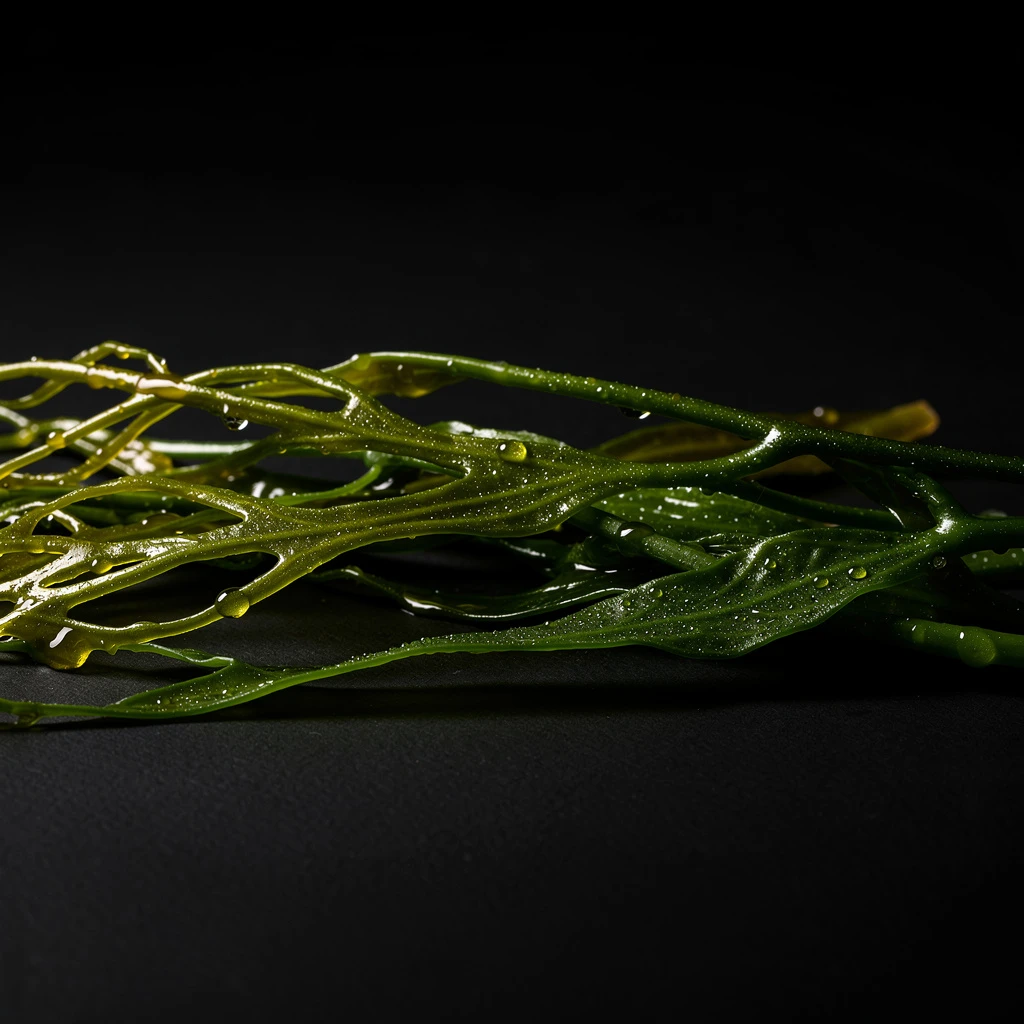
Perfumers typically combine Iso E Super, dry hay accords, and certain mineral or seaweed-type aldehydes. These synthetic components approximate the dry, grassy, slightly saline impression of coastal dunes.
Why is beachgrass used to stabilize dunes?
Ammophila's deep rhizome network binds shifting sand, a property recognized in 19th-century planting campaigns across the U.S. Outer Banks and Northern European shorelines.
Are natural perfumes made from beachgrass?
No natural perfume uses extracted beachgrass oil. Roughly three-quarters of modern fragrance materials now come from synthesis plants, and beachgrass accords fall firmly in that synthetic category.
When did coastal scents appear in perfumery?
Coastal and marine accords surged in the late 20th and early 21st centuries as aroma chemistry advanced. Beachgrass specifically as a named note is a relatively recent fine fragrance development.
Can I smell real beachgrass on a coastal walk?
Yes. Walking through Ammophila-covered dunes on a warm day releases a dry, hay-like, faintly salty aroma that perfumers attempt to bottle, though the natural scent varies with humidity and wind.