American Mint
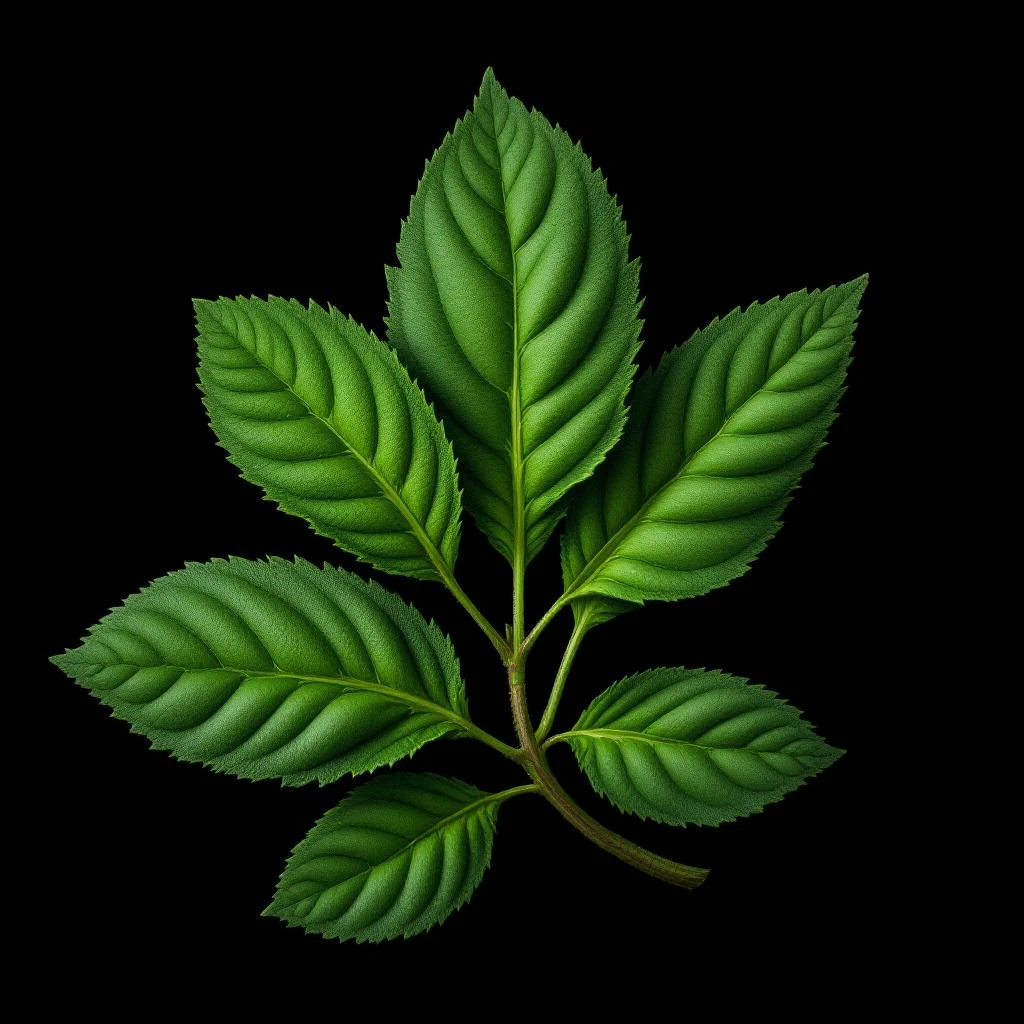
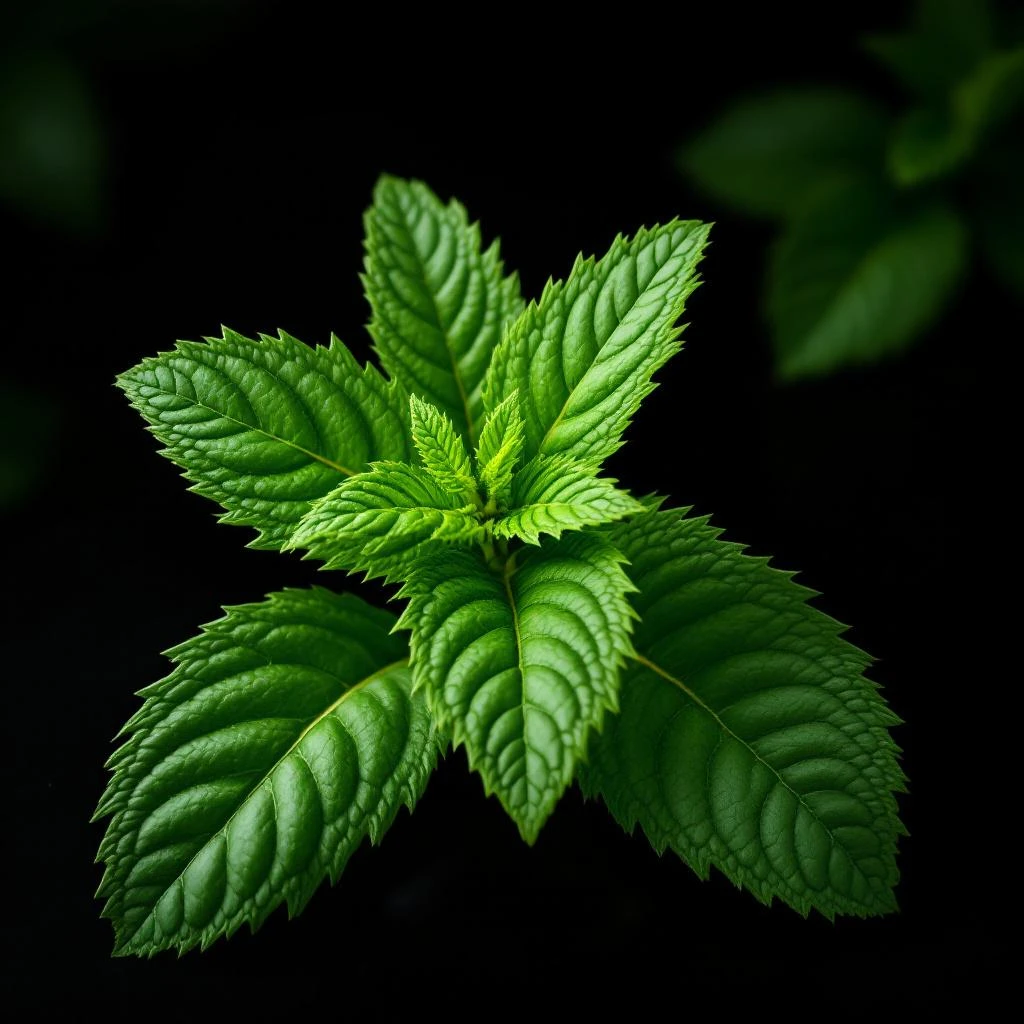
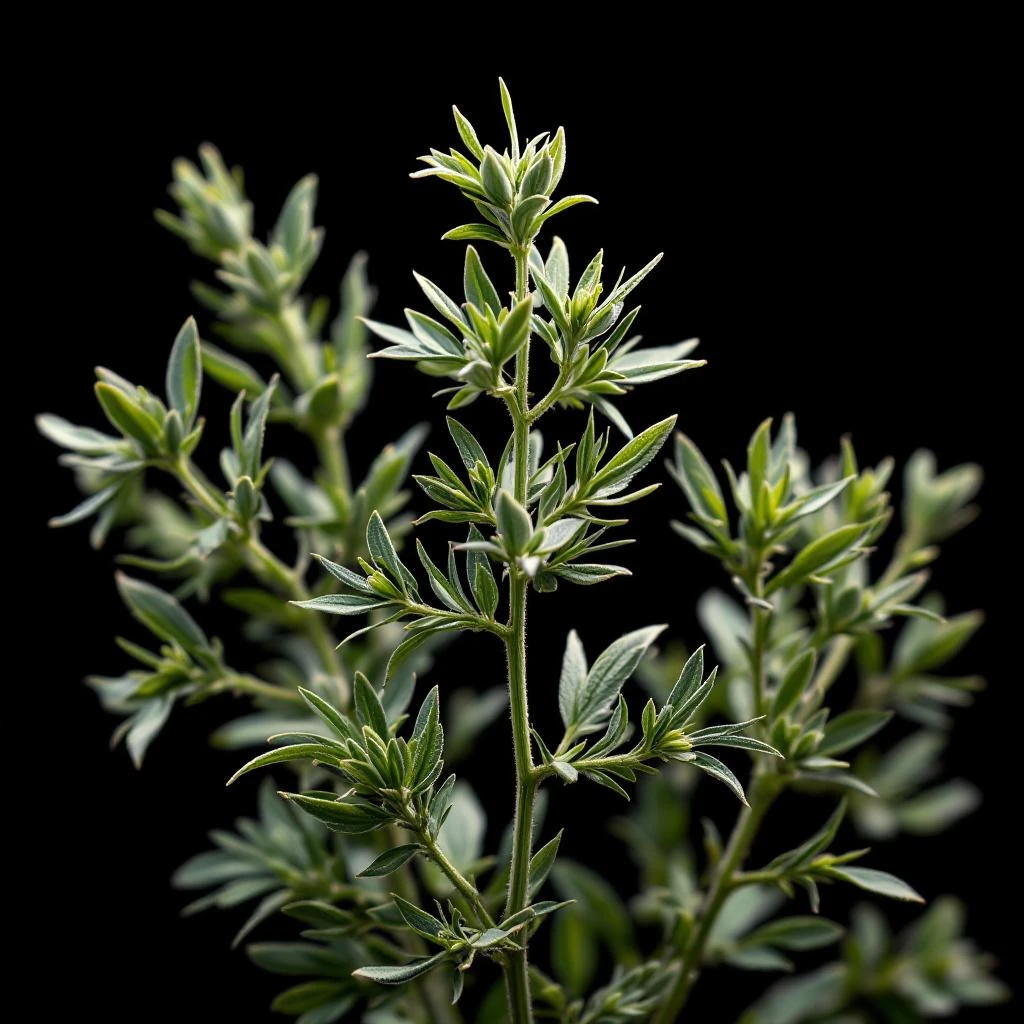
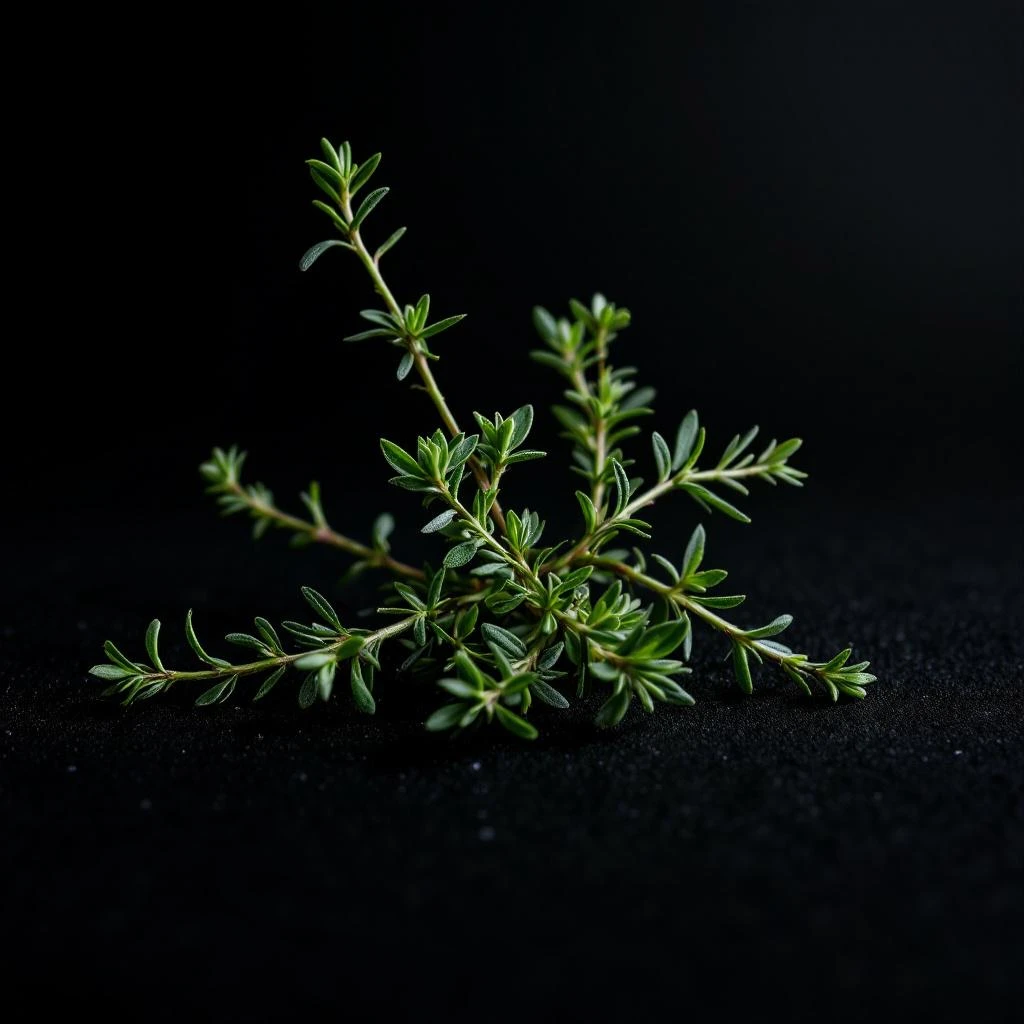
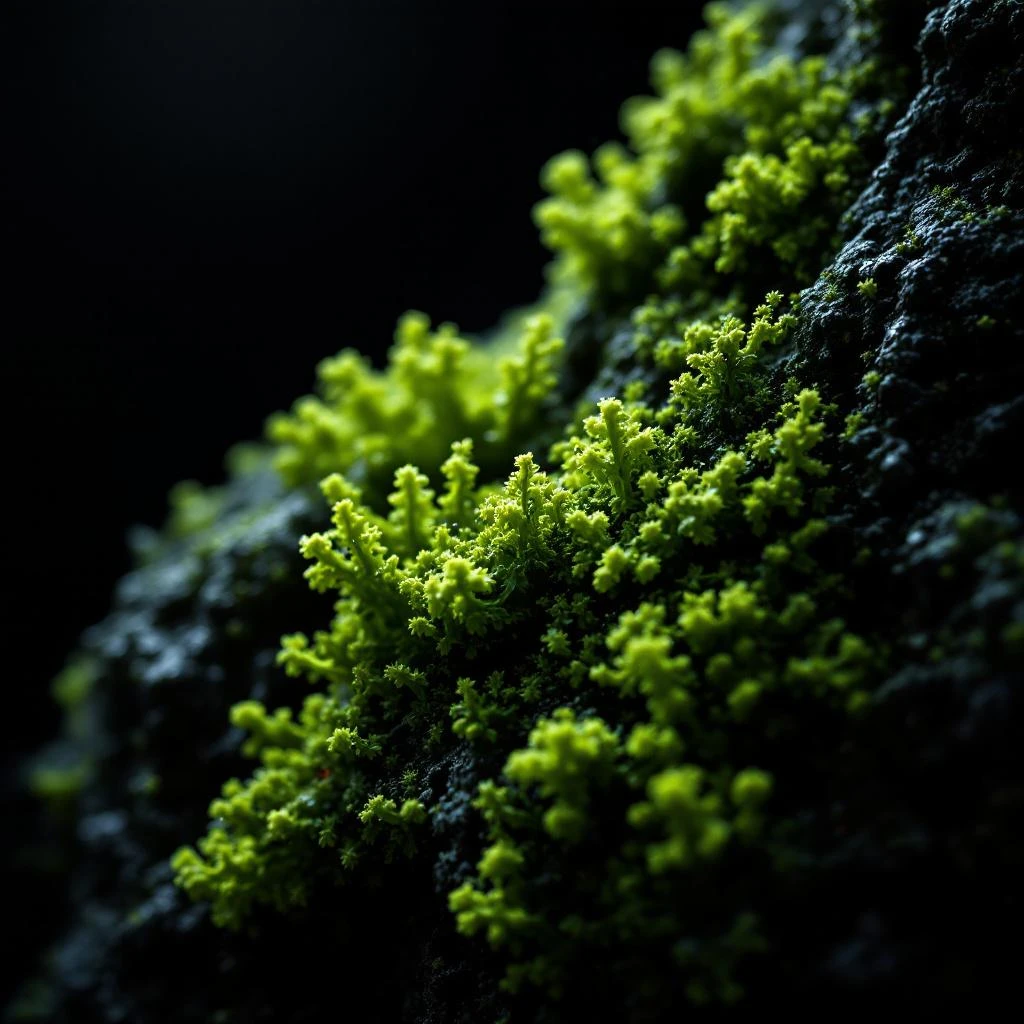
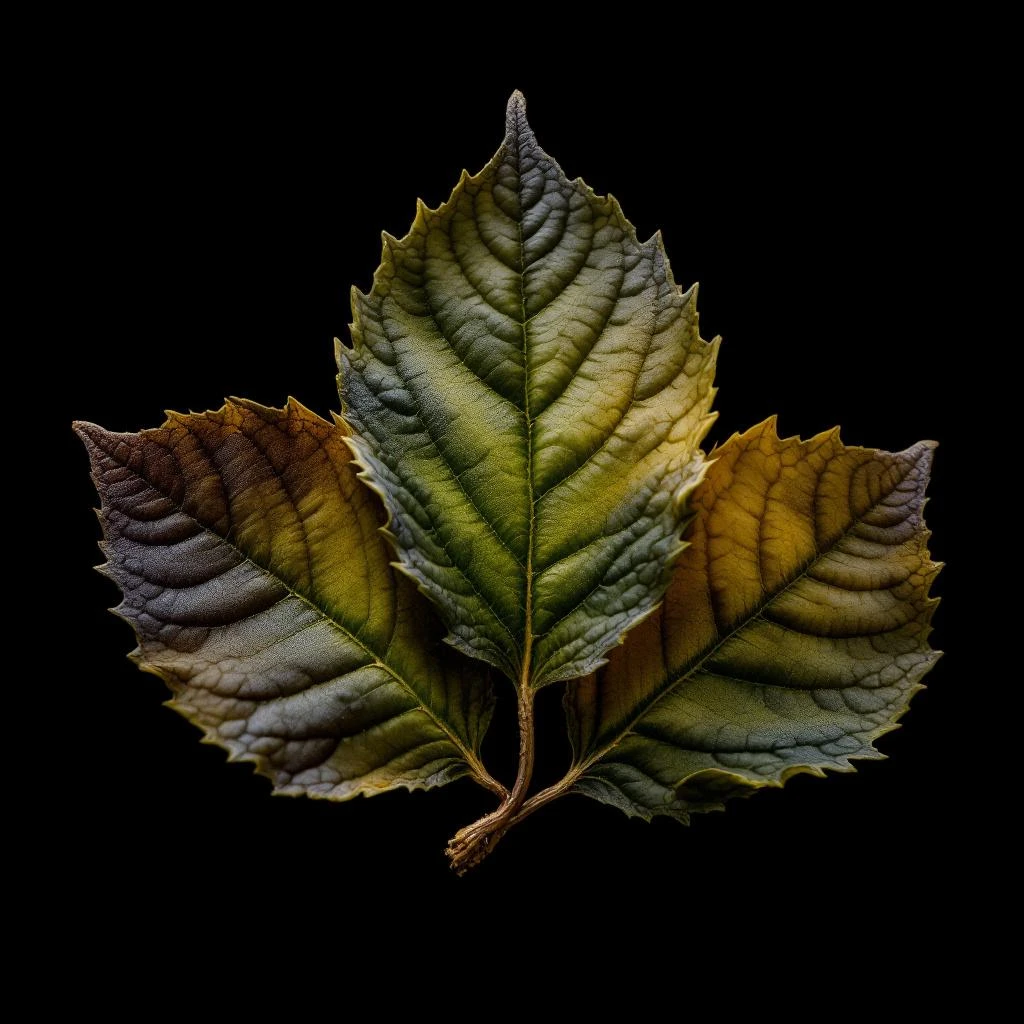
American mint brings a crisp, cooling intensity to fragrance compositions. Native to North America and cultivated extensively in the United States, this mint variety delivers a sharper, more herbaceous character than its European counterparts.
Character
How it smells
Crisp, cooling, unmistakably fresh.
American mint typically contains higher menthol concentrations than spearmint, giving it a sharper cooling sensation on the skin.

Origin
United States
Wild mint species grew across North America long before European settlers arrived, and Indigenous peoples used native mint varieties for ceremonial, medicinal, and aromatic purposes. When colonists brought peppermint and spearmint from Europe in the 17th and 18th centuries, these varieties crossbred with native species, creating distinctly American cultivars. Commercial cultivation began in the mid-19th century in New York, Michigan, and Ohio, where farmers discovered the cool, humid climate produced exceptionally aromatic crops.
By 1880, American mint oil had entered global trade, competing successfully with English and Japanese productions. The development of large-scale steam distillation technology around the same period allowed processors to extract oil efficiently from massive harvests. During the early 20th century, American mint became a standard ingredient in pharmaceutical preparations, confectionery, and eventually perfumery.
Today, the United States produces over 70% of the world's peppermint oil, making American mint a foundational aromatic material across industries.
Wears it best
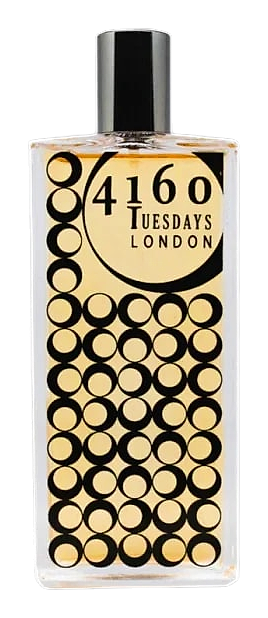
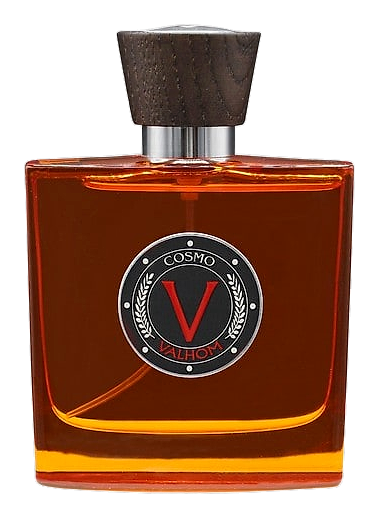
Fragrances featuring American Mint
Brands
Brands known for American Mint
Good to know
Questions, answered
The essentials on American Mint in perfumery: how it smells, where it comes from, and how it behaves on skin.
What does American mint smell like in perfume?
American mint contributes a sharp, cooling, herbaceous aroma with pronounced menthol freshness. Compared to European spearmint, American varieties tend to deliver a more intense, slightly sweet-cool sensation that cuts through heavier base notes.
Is American mint the same as peppermint?
Not exactly. American mint refers broadly to mint species cultivated in North America, including both peppermint (Mentha piperita) and spearmint (Mentha spicata). Peppermint contains roughly 41% menthol, while spearmint contains less than 1%.
How is American mint essential oil produced?
Producers use steam distillation on fresh aerial plant parts. Pressurized steam passes through chopped leaves and stems, releasing volatile compounds that condense into liquid oil. The Yakima Valley in Washington state leads US production.
When did American mint enter perfumery?
American mint oil entered commercial trade around 1880, following large-scale steam distillation advances. By the early 20th century, it had become a standard aromatic material in both pharmaceutical and fragrance applications.
Why is mint so widely used in fragrances?
Mint's high volatility and universal freshness make it an effective top note that lifts compositions. American mint specifically adds cooling intensity and longevity through its menthol-dominant chemical profile.
Where is American mint primarily grown?
The Yakima Valley in Washington state produces the majority of American mint, accounting for over 70% of US output. The region's arid climate and irrigated fields yield oil with particularly high menthol content.
Can American mint be synthetic?
Yes. Perfumery frequently uses synthetic menthol and carvone to replicate mint's cooling character. However, natural American mint oil offers a more complex, nuanced profile that synthetic versions struggle to fully match.
What fragrances pair well with American mint?
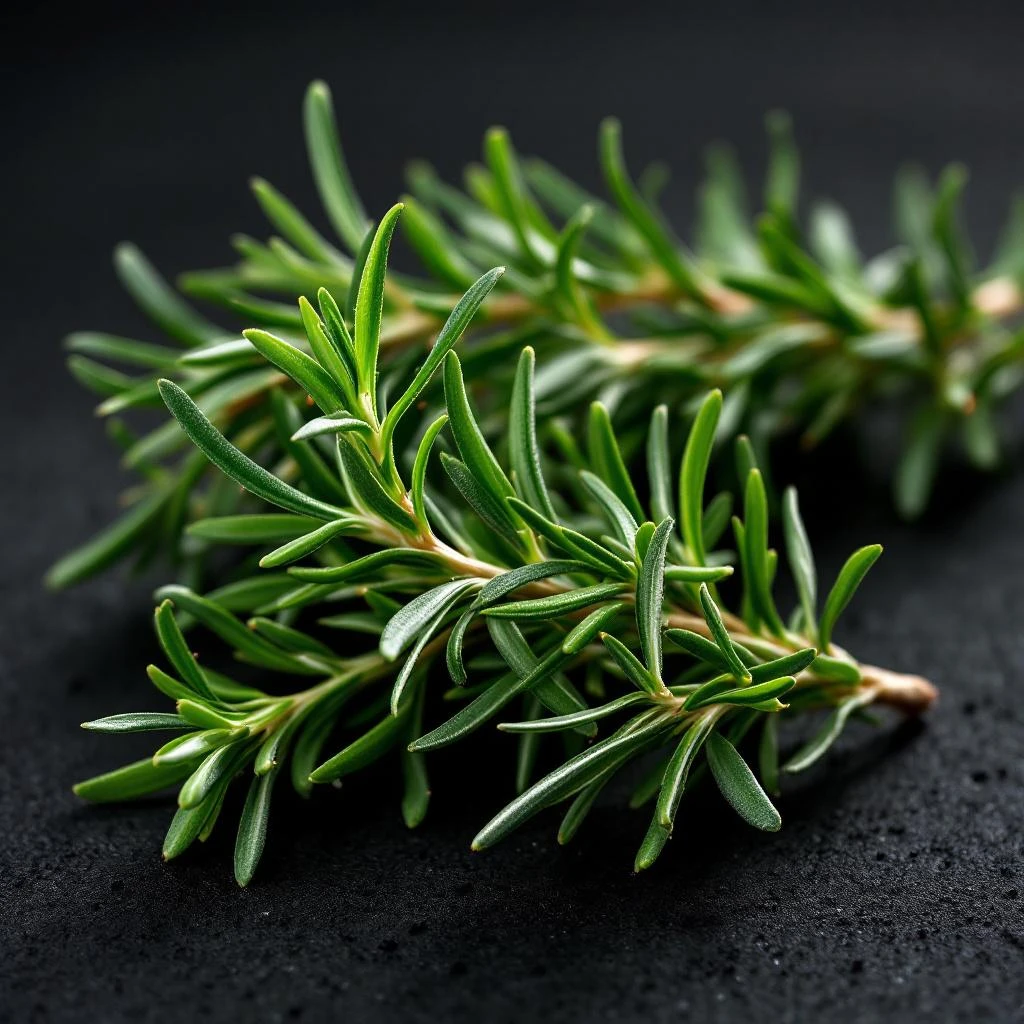
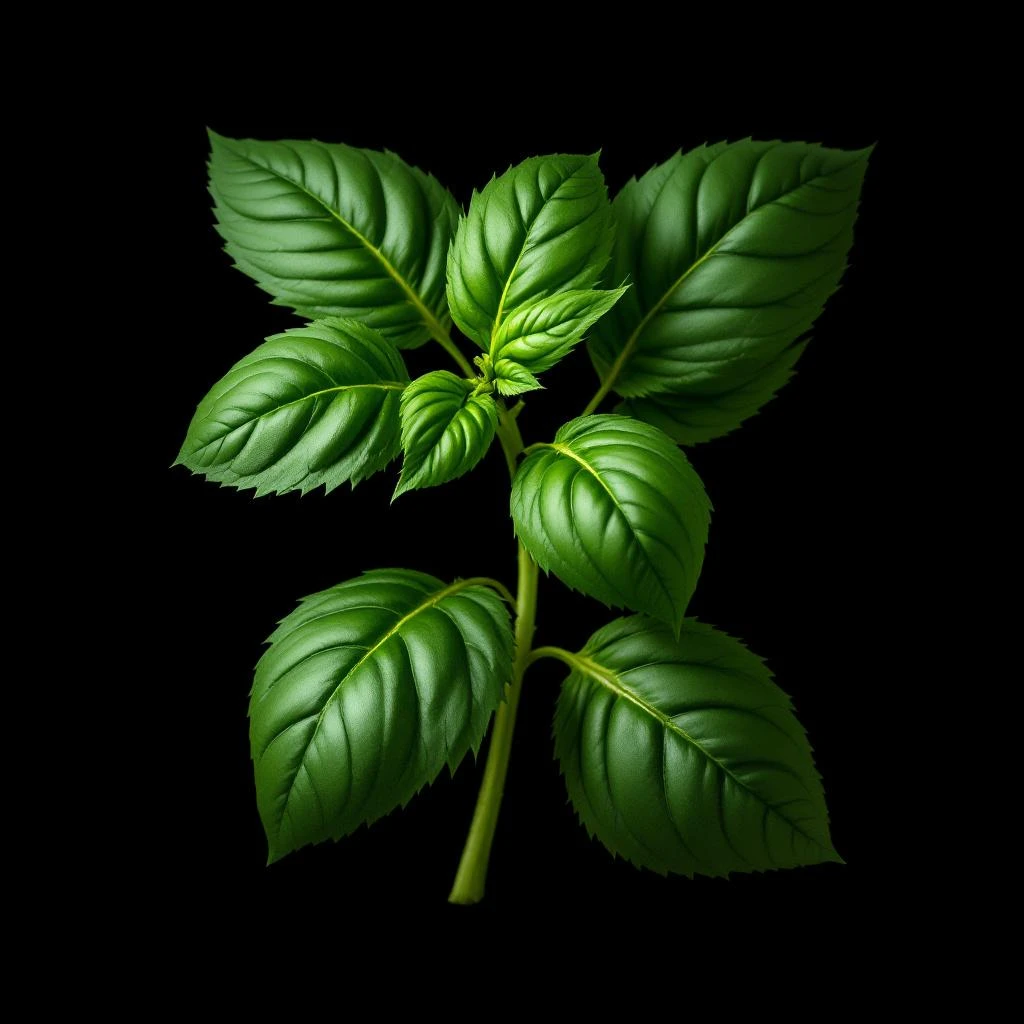
American mint complements citrus notes like bergamot and lemon, herbal partners such as rosemary and basil, and woody bases including cedar and vetiver. Its cooling quality balances warm, resinous ingredients effectively.