Agave Syrup
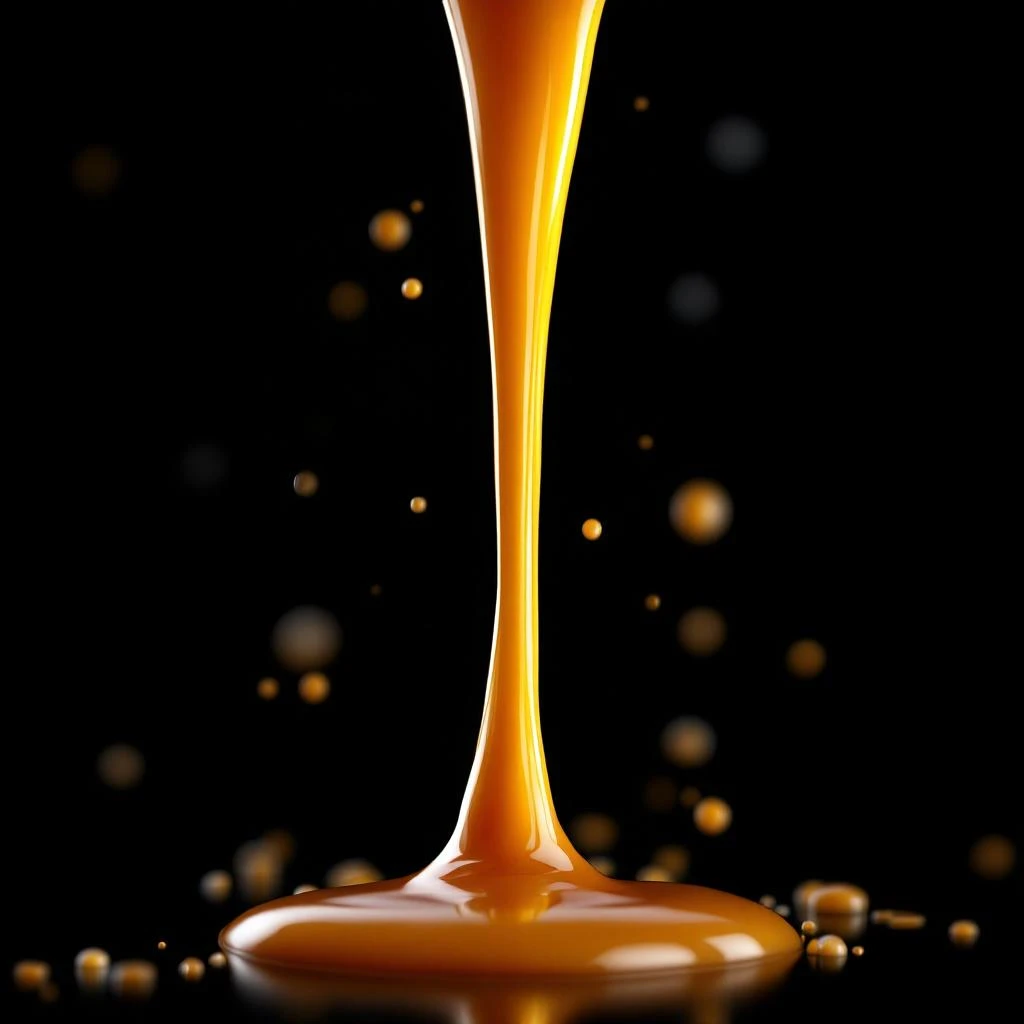
A sweet, caramel-like note drawn from the cooked heart of the agave plant, offering perfumers a green-edged syrupy warmth that reads as edible and sun-baked. The aroma lands somewhere between burnt sugar and tender desert vegetation.
Character
How it smells
Sun-cooked sweetness from the agave heart
The agave plant matures for seven to fourteen years before harvest, storing enough sugar in its core to produce syrup rich enough to rival honey.



Origin
Mexico
Agave has nourished and intoxicated humans for at least 9,000 years across Mesoamerica, long before European contact. Pre-Columbian peoples from the Nahua to the Otomí cultivated multiple species, pressing the cooked piña into pulque, a fermented ritual drink reserved for priests, nobility, and certain ceremonies. When Spanish conquistadors arrived in the 16th century, distillation techniques brought from the Philippines gave birth to mezcal and, in the Jalisco region, tequila.
Agave syrup as a sweetener is a far more recent development, commercialized in the late 1990s and early 2000s as a low-glycemic vegan alternative to honey. Its arrival in perfumery followed closely, as gourmand compositions surged in popularity during the same decade. The note slots naturally into the edible-skin trend pioneered by houses exploring dessert-like fragrances.
Culturally, agave carries echoes of volcanic soil, slow fire, and patient agriculture, a botanical tied to one of humanity's oldest fermentation traditions, now reinterpreted through a contemporary gourmand lens.
Wears it best
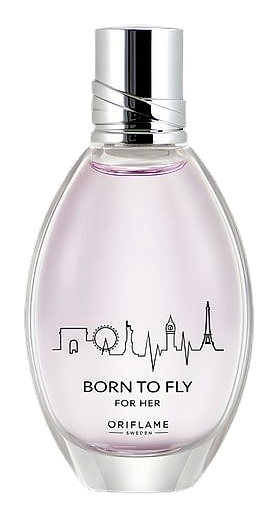
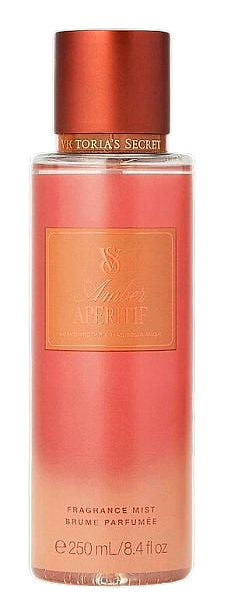
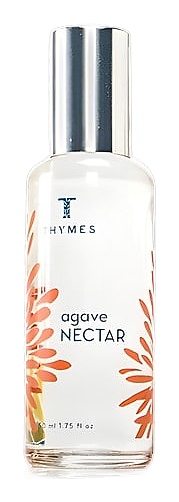
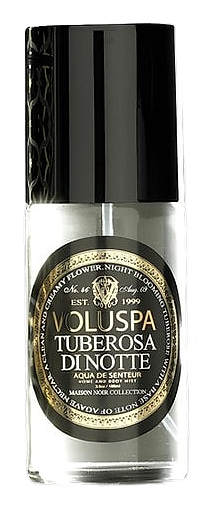
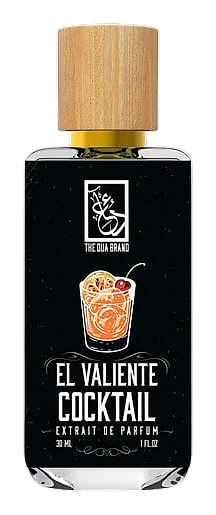
Fragrances featuring Agave Syrup
Brands
Brands known for Agave Syrup
Good to know
Questions, answered
The essentials on Agave Syrup in perfumery: how it smells, where it comes from, and how it behaves on skin.
What does agave syrup smell like in perfume?
Agave syrup smells sweet, warm, and caramel-like with green, grassy undertones and a faint smoky edge. In fragrance compositions, it reads as edible and sun-baked, roughly halfway between burnt sugar and fresh desert vegetation. It belongs firmly to the gourmand family.
Is agave syrup a natural perfumery ingredient?
Agave syrup itself is a natural food product, not a perfumery-grade essential oil. Perfumery-grade "agave" notes are typically reconstructed aroma compositions or co-distillates designed to evoke cooked agave syrup. The material cannot be isolated through standard steam distillation.
Where does agave for perfumery come from?
Most agave used in fragrance and flavor work originates in Mexico, particularly the Jalisco region, where Agave tequilana grows in mineral-rich volcanic soil. Wild and cultivated Agave americana populations extend through central and southern Mexico as well.
How long does it take to produce agave syrup?
An agave plant must mature for seven to fourteen years before harvest, storing carbohydrates in its core. After leaves are trimmed and the piña is slow-cooked and pressed, syrup production takes an additional several hours of evaporation and filtration.
What fragrance families feature agave notes?
Agave syrup appears most often in gourmand compositions alongside vanilla, caramel, and tonka. It also surfaces in warm amber bases and solar-themed fragrances seeking an edible, sun-warmed character. Floral and woody compositions occasionally use it as a sweet anchor.
What's the difference between agave syrup and honey in perfumery?
Both smell sweet and syrupy, but honey carries waxy, animalic, and pollen-like facets, while agave syrup reads cleaner, greener, and more caramelized. Agave also has a vegetal, slightly smoky edge that honey lacks, giving it a more modern, less traditional sweetness on skin.
Is agave syrup in perfume vegan?
Agave syrup itself is plant-derived and vegan. Whether a finished fragrance is vegan depends on the entire formula, including any animal-derived musks, civet, castoreum, or beeswax-based absolutes. Check each brand's complete ingredient disclosure for confirmation.
Why is agave syrup trendy in modern perfumery?
Agave syrup entered mainstream fragrance alongside the 2000s gourmand boom, when compositions began celebrating edible, dessert-like notes. Its clean sweetness, vegan-friendly profile, and associations with tequila culture gave it a modern, lifestyle-driven appeal that continues into contemporary solar fragrances.