American Magnolia
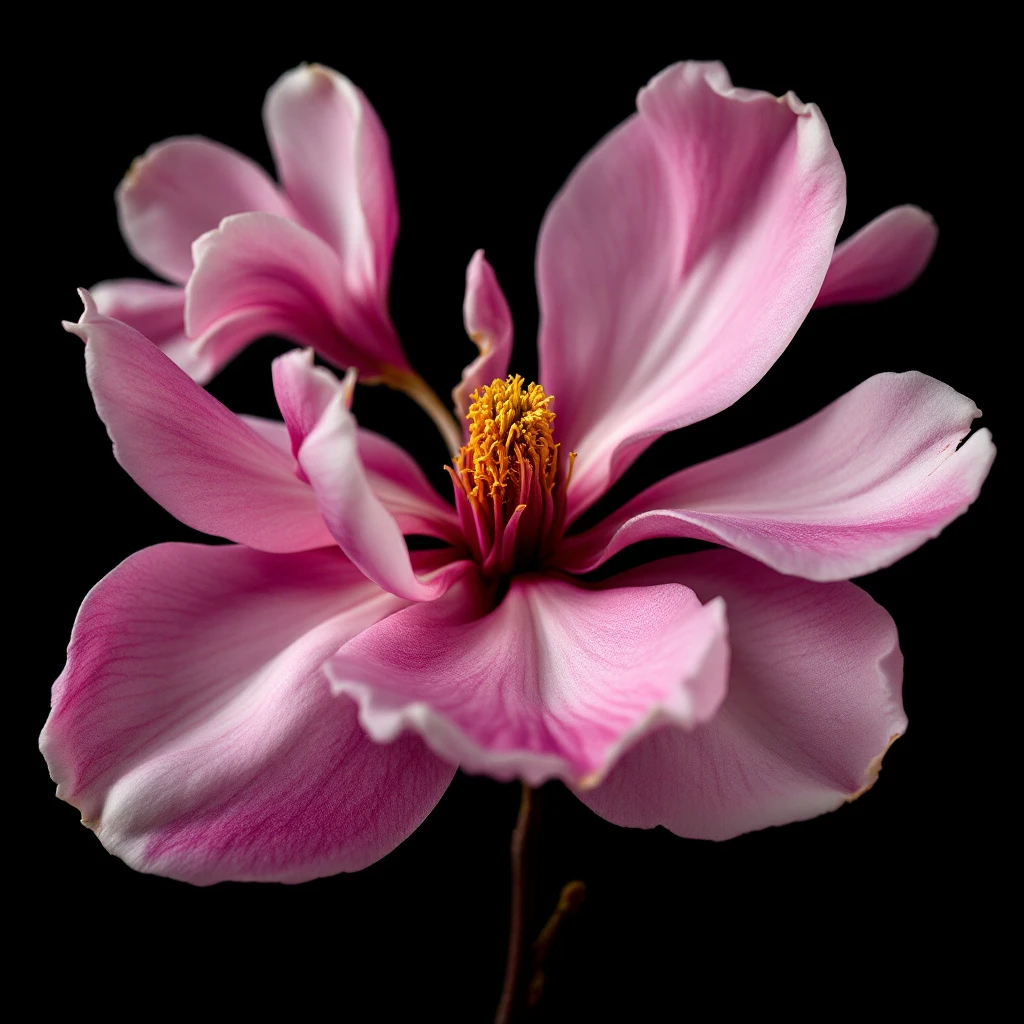
American Magnolia channels sun-warmed petals and a clean citrus lift. Unlike commercially scarce natural extracts, this note captures the plant's luminous character through advanced reconstruction techniques favored by contemporary perfumers.
Character
How it smells
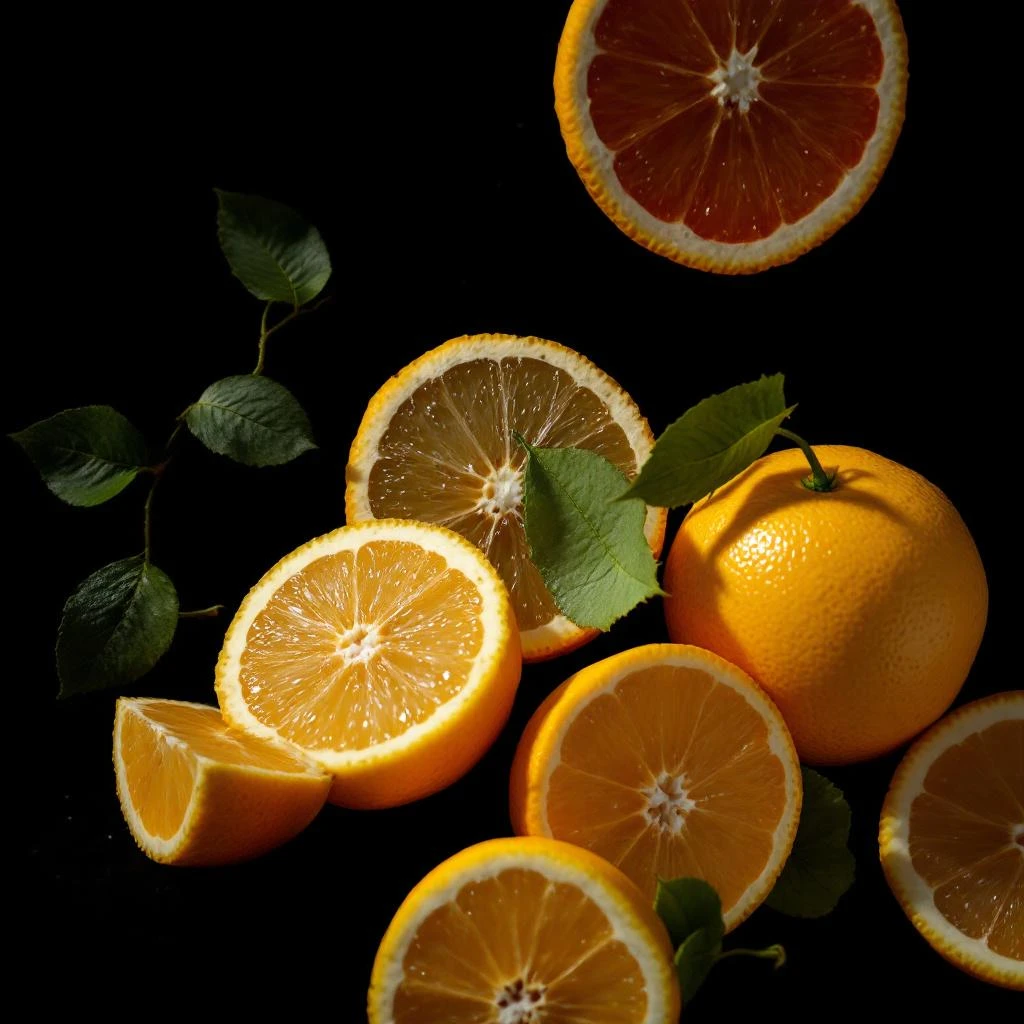
Sunlit petals with a clean, citrusy glow.
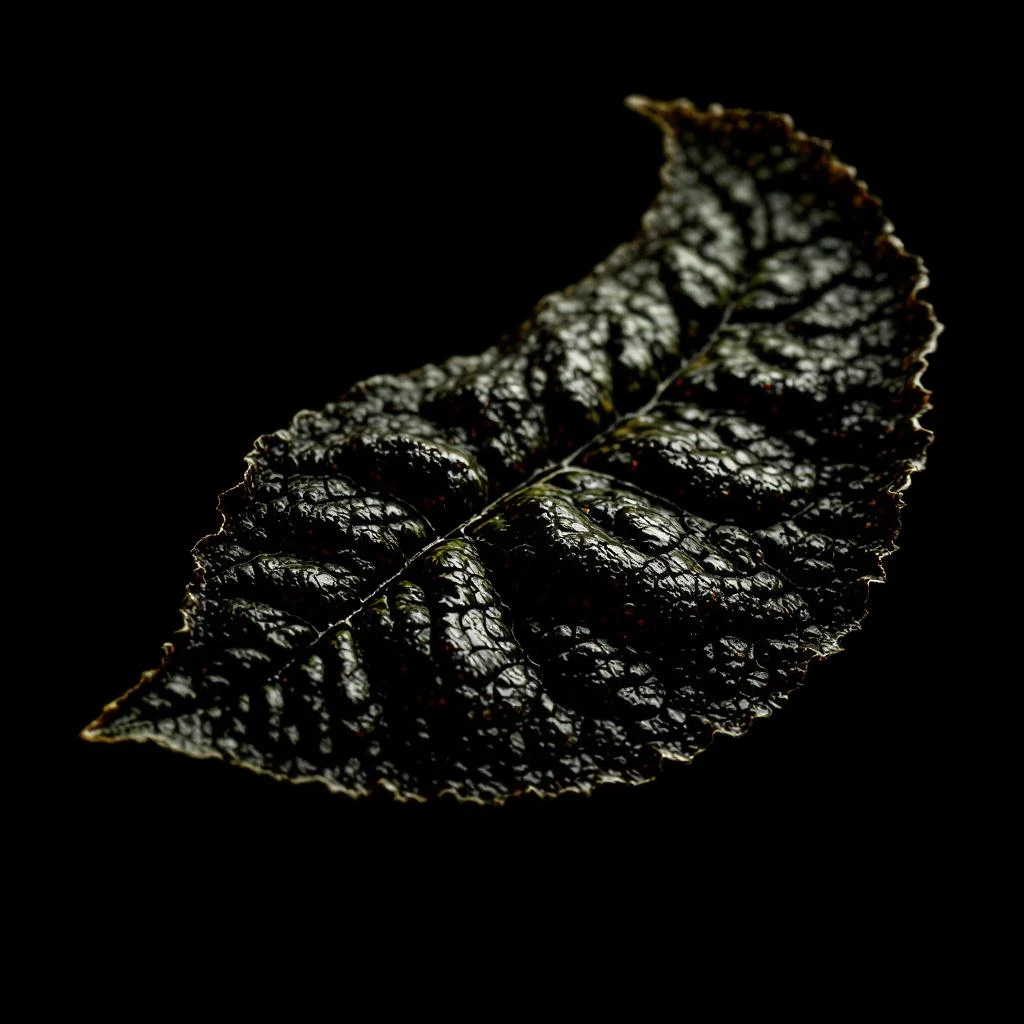
Magnolia existed before bees. The ancient flowers evolved with beetles as pollinators, protected by tough outer petals.





Origin
United States
Pierre Magnol, a 17th-century French botanist, revolutionized plant classification by proposing the concept of plant families. Carl Linnaeus later honored his work by naming the magnolia genus after him. While magnolias originated in East Asia and North America separately through millions of years of evolution, the American species Magnolia grandiflora became an icon of the southeastern United States.
Southern plantation gardens featured these trees prominently, their waxy white blossoms opening at dusk to emit their powerful evening fragrance. Native American tribes used various magnolia parts in traditional remedies. By the 19th century, European horticulturists began hybridizing American magnolias with Asian varieties, creating the ornamental specimens seen in gardens worldwide today.
The flower's ancient lineage predates bees, having evolved alongside beetle pollinators over 95 million years ago.
Wears it best
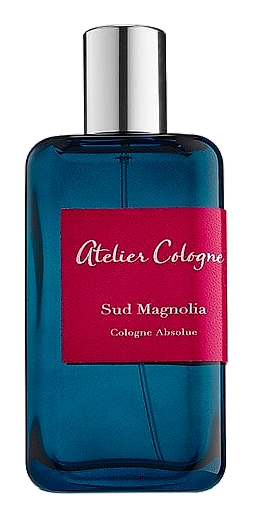
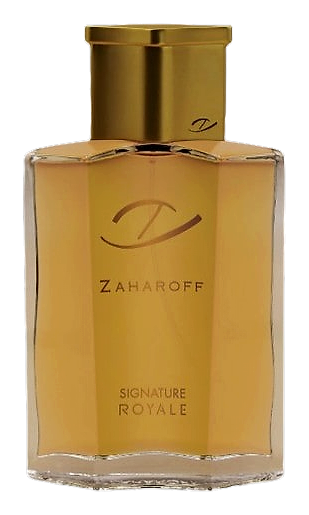
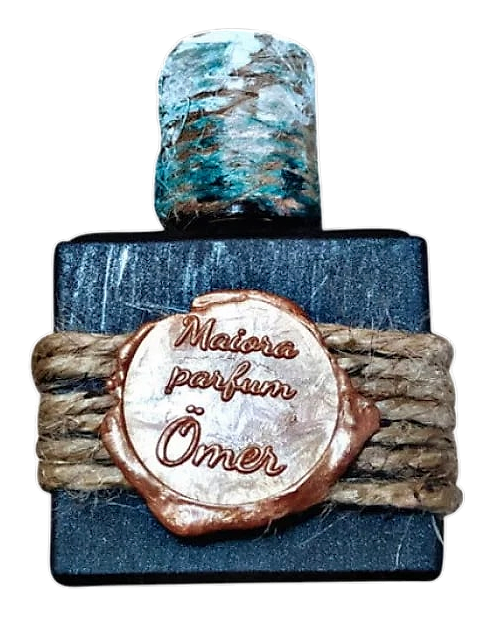
Fragrances featuring American Magnolia
Brands
Brands known for American Magnolia
Good to know
Questions, answered
The essentials on American Magnolia in perfumery: how it smells, where it comes from, and how it behaves on skin.
Is American Magnolia a natural or synthetic ingredient in perfumery?
American Magnolia is typically synthetic. Natural magnolia flower oil is not produced commercially due to the difficulty of extracting stable aromatic compounds from the delicate blossoms. Perfumers recreate the scent using laboratory techniques that isolate key molecules like linalool and farnesol found in fresh magnolia blooms.
What does American Magnolia smell like?
American Magnolia smells like warm floral sunshine with clean citrus undertones. The scent combines creamy white petal warmth with a fresh lemony brightness, creating an impression of elegant, sunlit blossoms with a subtle hint of green stem freshness.
Why is natural magnolia oil not widely available?
Natural magnolia oil lacks commercial viability because magnolia blossoms release their fragrance compounds inconsistently and degrade rapidly after picking. The flowers also produce relatively low concentrations of extractable aromatic materials compared to other florals like rose or jasmine.
How do perfumers capture the magnolia scent authentically?
Perfumers capture magnolia's scent through headspace technology, which analyzes the actual molecules released by fresh blooming flowers. This data informs synthetic reconstructions that replicate the full aromatic profile, including the subtle volatile compounds that give fresh magnolia its characteristic sunny warmth.
What other ingredients pair well with American Magnolia?
American Magnolia pairs naturally with other florals like peony, lily of the valley, and jasmine. The note also complements citrus elements such as bergamot and lemon, as well as woody bases like sandalwood that support its warm, creamy character.
Which perfume families commonly feature American Magnolia?
American Magnolia appears frequently in white floral and fresh chypre compositions. The note suits spring and summer fragrances, particularly those targeting consumers seeking feminine, modern floral scents with a clean, optimistic character.
American Magnolia scores well on sustainability because synthetic reconstruction avoids the land use, water consumption, and harvest labor associated with growing and processing botanical extracts. Perfumers can produce consistent quantities without depleting wild or cultivated magnolia populations.
Synthetic magnolia reconstruction is considered more sustainable than botanical extraction. Replicating the scent in a laboratory requires fewer natural resources, produces less waste, and avoids the inconsistent yields associated with growing and harvesting delicate flower crops.
Does American Magnolia have traditional uses beyond perfumery?
American Magnolia has roots in traditional medicine. Native American communities used preparations from various magnolia plant parts to address symptoms including fever, cough, and digestive complaints. These historical applications influenced early American botanical remedies before modern chemistry isolated their active compounds.




