Prosecco
Prosecco captures the bright, effervescent character of Italy's beloved sparkling wine in fragrance form. Tart green apple, white grape, and a crisp citrus bite make it a celebration in a bottle.

Character
How it smells
Sparkling celebration captured in scent
Prosecco gets its name from the village of Prosecco near Trieste, where the Glera grape has grown since Roman times.




Origin
Italy
The Prosecco wine tradition traces back to the Glera grape, cultivated in the Veneto and Friuli Venezia Giulia regions of northeastern Italy for centuries. The village of Prosecco, perched on a hillside near Trieste, lent its name to both the grape and eventually the sparkling wine produced from it. While Romans planted early vineyards in the area, Prosecco as a recognized sparkling wine style gained momentum in the 20th century, particularly after World War II when Italian producers perfected the Charmat method of secondary fermentation in large tanks.
This technique preserved the wine's fresh, fruity character better than traditional bottle fermentation. In perfumery, wine-inspired accords emerged alongside the broader gourmand trend of the 1990s and early 2000s. Chanel's Chance and several niche fragrances helped legitimize champagne and sparkling wine notes in fine fragrance.
The Prosecco variant arrived as perfumers sought lighter, greener alternatives to richer champagne accords, capitalizing on Italy's cultural cachet and the wine's association with casual luxury. Today, Prosecco notes appear in both mainstream and artisan fragrances, often paired with citrus, florals, and soft musks.
Wears it best
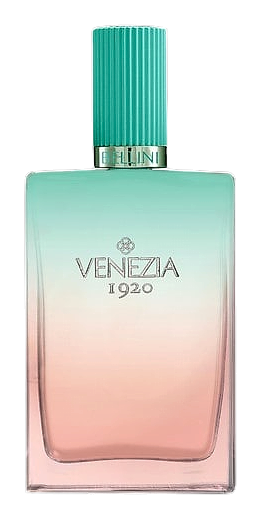
Fragrances featuring Prosecco
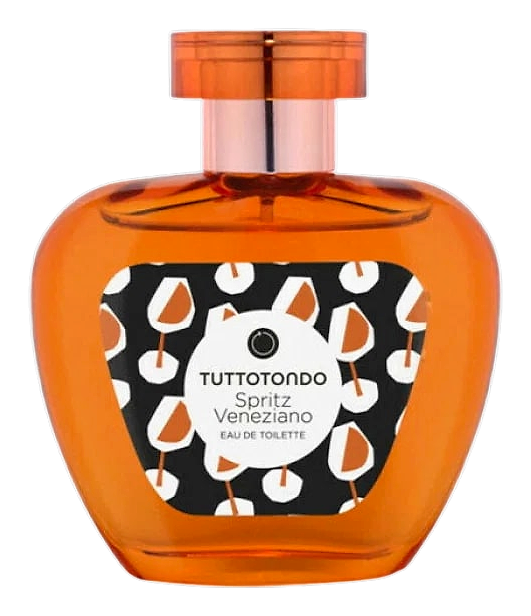
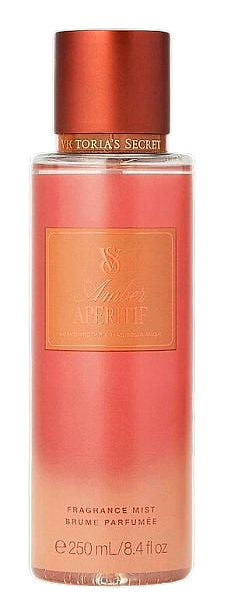
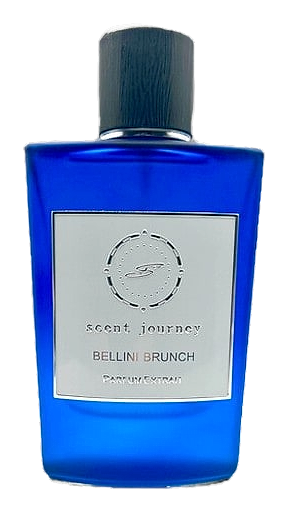
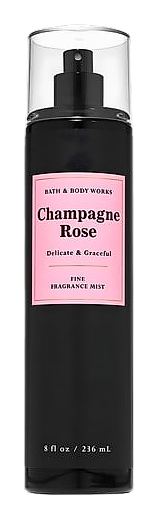
Brands
Brands known for Prosecco
Good to know
Questions, answered
The essentials on Prosecco in perfumery: how it smells, where it comes from, and how it behaves on skin.
What does Prosecco smell like in perfume?
Prosecco in fragrance reads as bright green apple, white grape juice, and a crisp citrus sparkle. The accord often carries a subtle mineral quality and a lifted, airy sensation that mimics carbonation without any actual bubbles.
Is Prosecco a natural or synthetic fragrance ingredient?
Prosecco is recreated synthetically in perfumery. Because real Prosecco wine contains minimal volatile aroma compounds and degrades quickly, perfumers build the accord from individual aroma chemicals like ethyl 2-methylbutyrate for apple notes.
Where does Prosecco get its name?
The name comes from the village of Prosecco near Trieste in northeastern Italy. The Glera grape has been cultivated in this region since Roman times, and the village name eventually applied to both the grape variety and the sparkling wine.
When did Prosecco notes appear in perfumery?
Wine-inspired accords gained traction in the 1990s alongside the gourmand fragrance movement. Prosecco specifically emerged as perfumers sought lighter, greener alternatives to richer champagne notes, capitalizing on Italy's sparkling wine popularity.
What fragrances commonly feature Prosecco notes?
Several niche and mainstream houses use Prosecco or sparkling wine accords, often paired with citrus, white florals, and soft musks. These bright, celebratory scents typically launch in spring and summer collections.
Is Prosecco the same as champagne in perfumery?
No. Champagne accords tend to lean richer with bready, yeasty, and toasty qualities from extended bottle fermentation. Prosecco accords are greener and fruitier, emphasizing fresh apple and grape with less autolytic depth.
Why are grape notes hard to capture in perfume?
Grape aromas oxidize within hours of pressing, making them impractical for stable fragrance compositions. Perfumers rely on synthetic molecules that mimic the fresh fruit character without the rapid degradation real grape juice undergoes.
Does Prosecco fragrance contain alcohol?
No actual alcohol appears in Prosecco fragrance accords. The sparkling sensation is an illusion created through specific aroma chemicals and the overall composition structure, giving the impression of effervescence without any ethanol.