
The Story
Why it exists.
The beginning
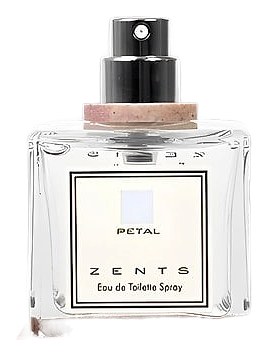
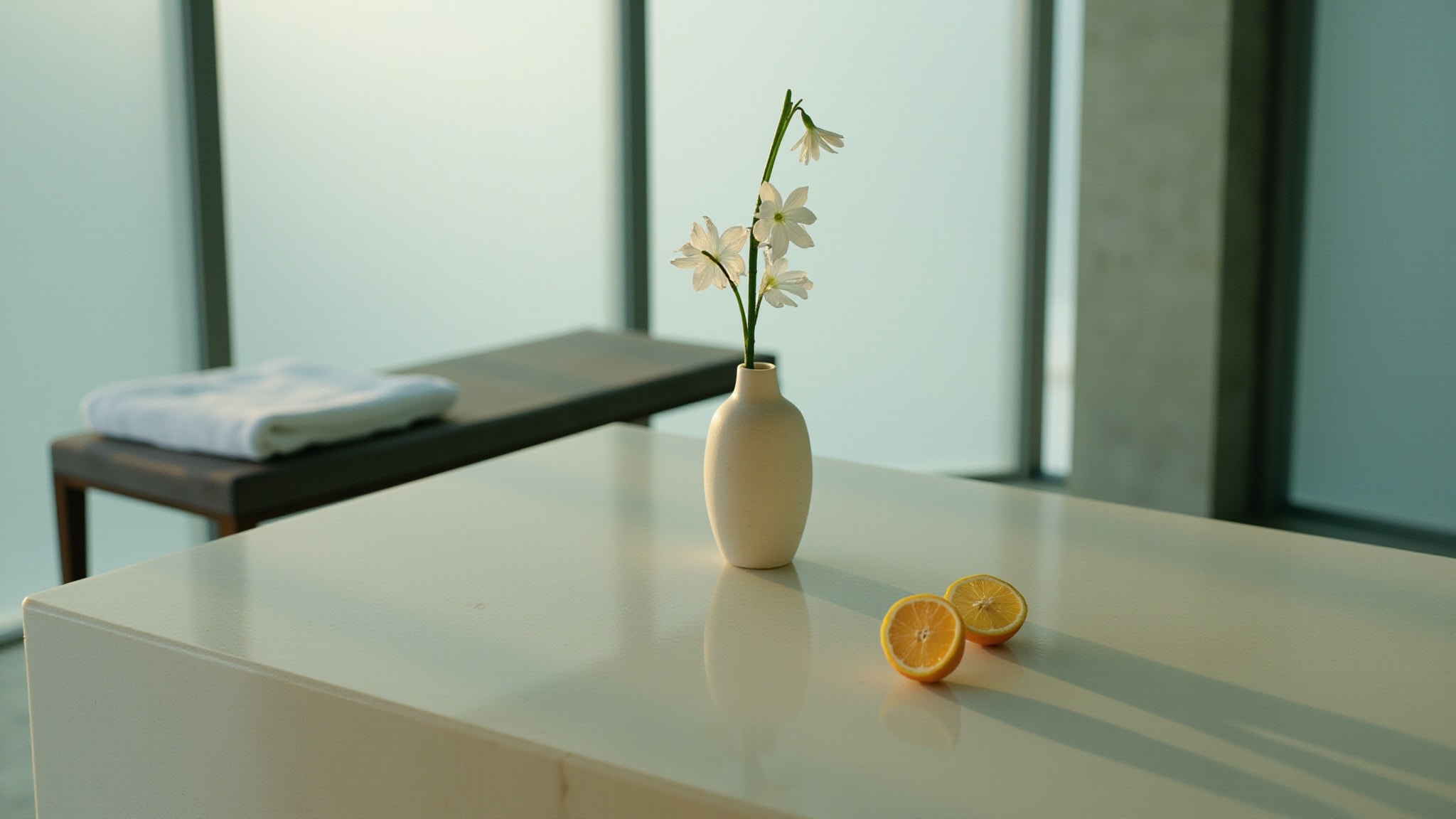
Co-founder and perfumer John Curran composed Petal around a simple idea: capture the feeling of a spring morning when the garden is still wet. Launched during the 2000s, it was meant to evoke a specific kind of freshness, not the bracing kind, but the gentle one that settles over everything after rainfall. The name says it all. Petal doesn't reach for complexity. It reaches for a moment you already know: dew on freesia, lemon light cutting through overcast sky, the air just before the sun commits. There's something deliberate in the restraint, a willingness to let the composition breathe rather than fill every space with scent.
What makes Petal interesting isn't what it piles on. It's what it leaves out. The composition is restrained by design, bergamot and Amalfi lemon for brightness, freesia and lily of the valley for that soapy-clean floral sweetness, a rain accord to carry the wetness, and a single base note of sandalwood for warmth. The sandalwood does the grounding quietly, and the rain accord holds the whole thing in suspension, keeping the florals from ever tipping into syrup.
The evolution
The opening is immediate and clean. Bergamot and Amalfi lemon arrive together, sharp, citric, almost effervescent, and they don't linger long. The freesia and lily of the valley take over, and this is where Petal earns its name. The floral phase reads cool and slightly green, like petals still holding moisture. The rain accord runs underneath, not as a literal petrichor but as a kind of atmospheric dampness, keeping the sweetness from turning cloying. As the hours pass, the white florals thin out gradually, and the sandalwood rises to meet them. What's left is a soft, woody warmth with a trace of something floral still clinging. Eventually, it settles into skin, a warm, slightly creamy presence that reads more like a memory than a scent. The transition is gentle rather than abrupt.
Cultural impact
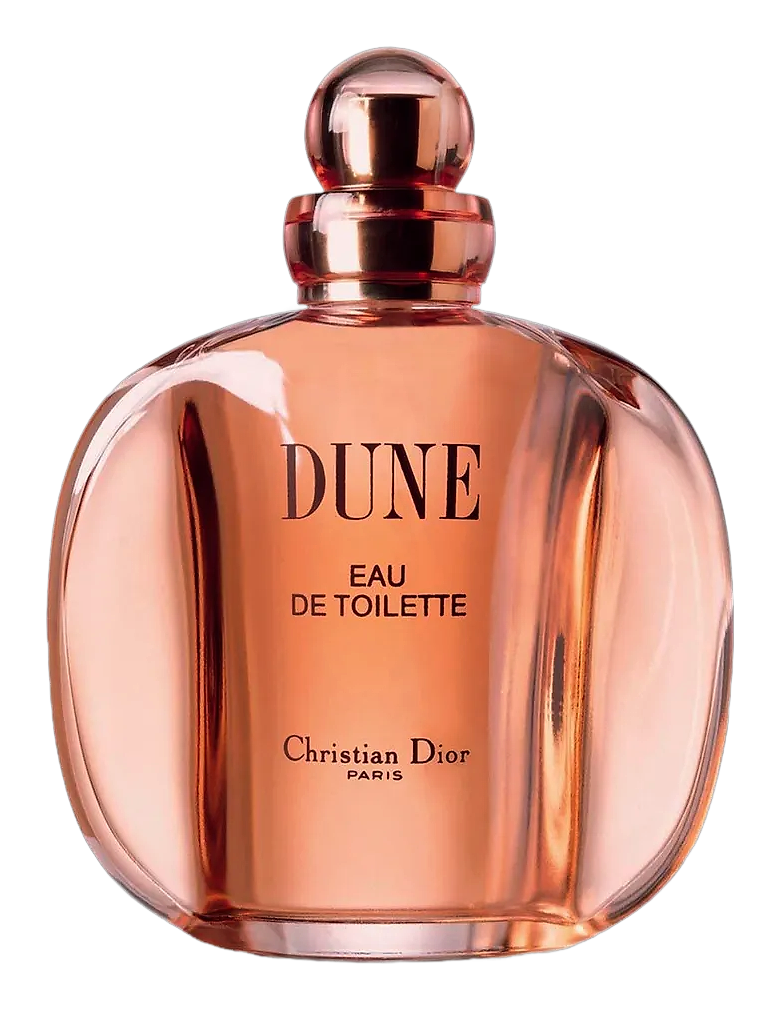
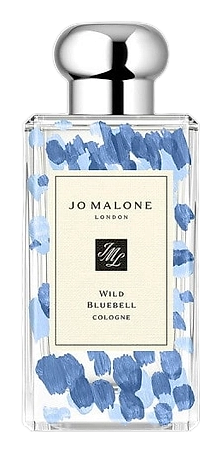
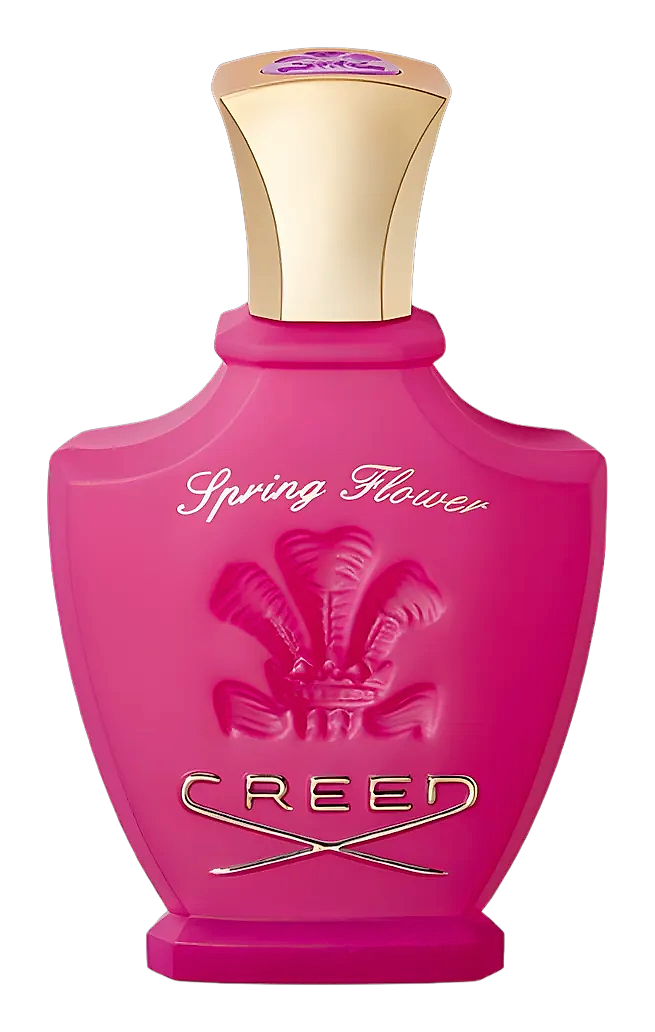
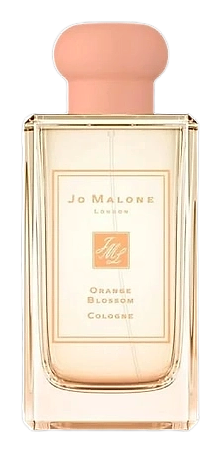
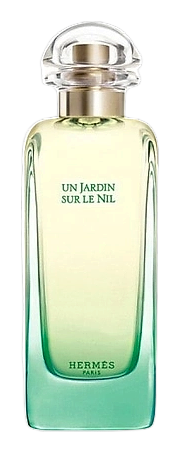
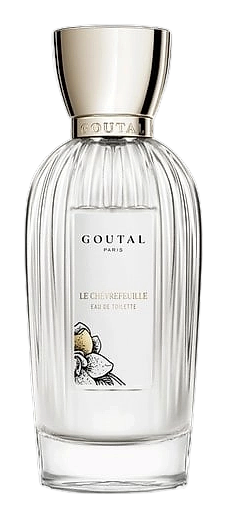
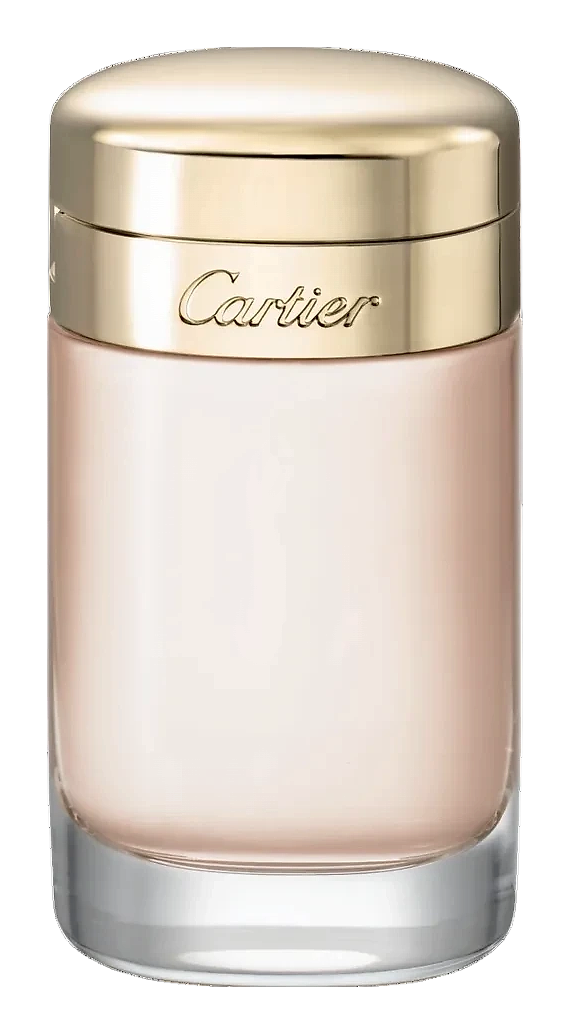
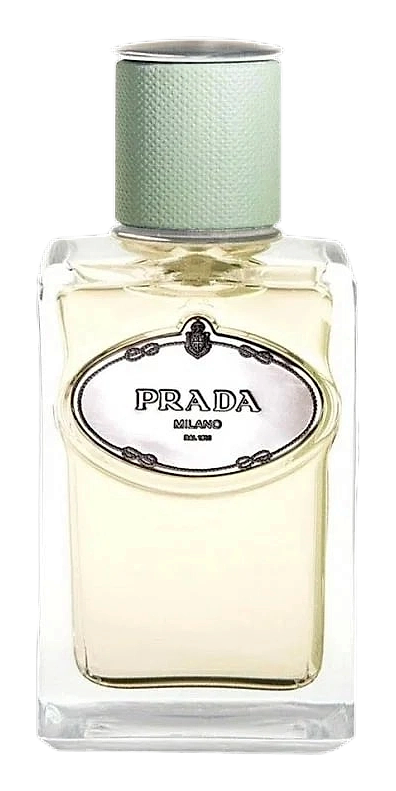
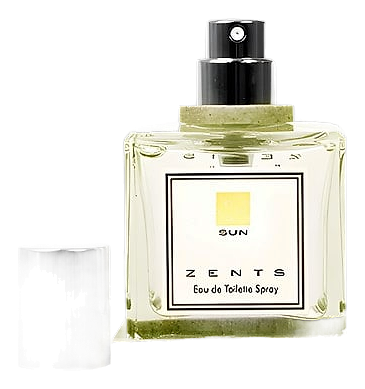
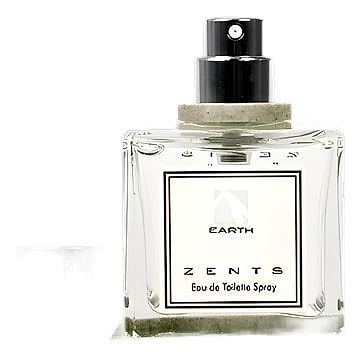
Petal occupies a specific space within ZENTS' lineup: a light, dewy floral that leans fully into freshness. Compared to the brand's other offerings, it reads as the most overtly floral composition, one that prioritizes petals and green stems over warmth or spice. That positioning gives it a distinct role within the catalog. It functions as the garden after rain in a lineup that already explores earth, water, and sun. Within fragrance communities, Petal draws comparisons to other light florals, with wearers often noting its similarity to compositions like Estée Lauder Pleasures and Jo Malone Orange Blossom.
The House
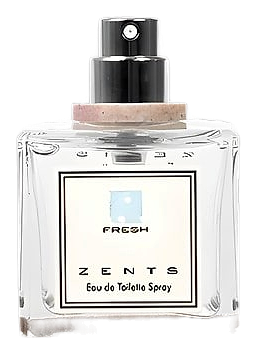
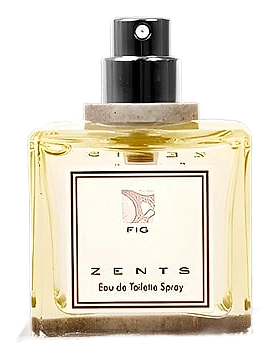
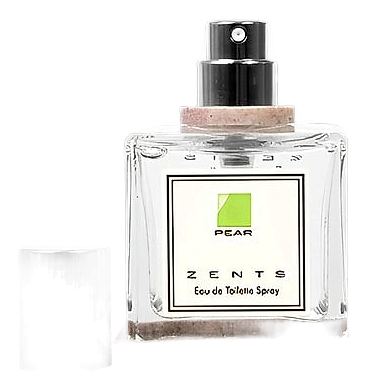
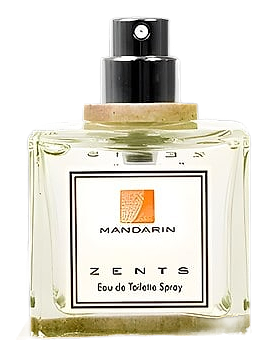
ZentsZENTS is a fragrance and skincare brand that developed its first collection of scented products around 2000. The brand built its initial range around elemental and natural concepts, releasing single-note fragrances named after pure ingredients and natural forces such as Earth, Water, Sun, and Fig. ZENTS positioned itself within the clean beauty movement, creating vegan formulations free from animal-derived ingredients and opposing animal testing practices. The company expanded beyond fine fragrance into complementary skincare, bath, and body product categories, offering consumers a coordinated approach to scent application across multiple product types. Reports indicate the brand utilizes natural ingredients and probiotic peptides as functional components within its product formulations.
The Creator
John CurranCurran's signature leans toward grounded, skin-friendly compositions rather than loud projections. He gravitates toward natural resins, warm woods, and botanical absolutes, ingredients that carry weight and evolve slowly through the drydown.