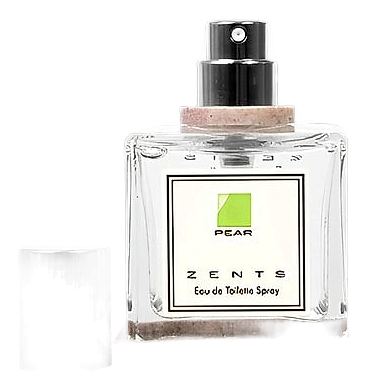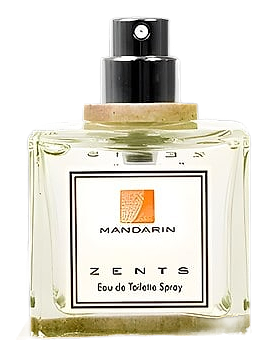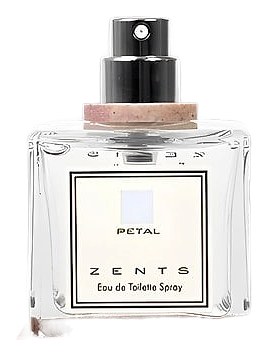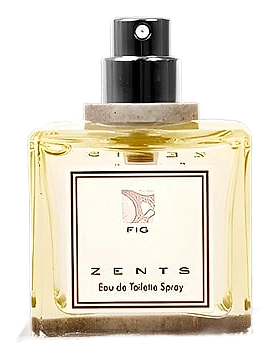
The Story
Why it exists.
The beginning
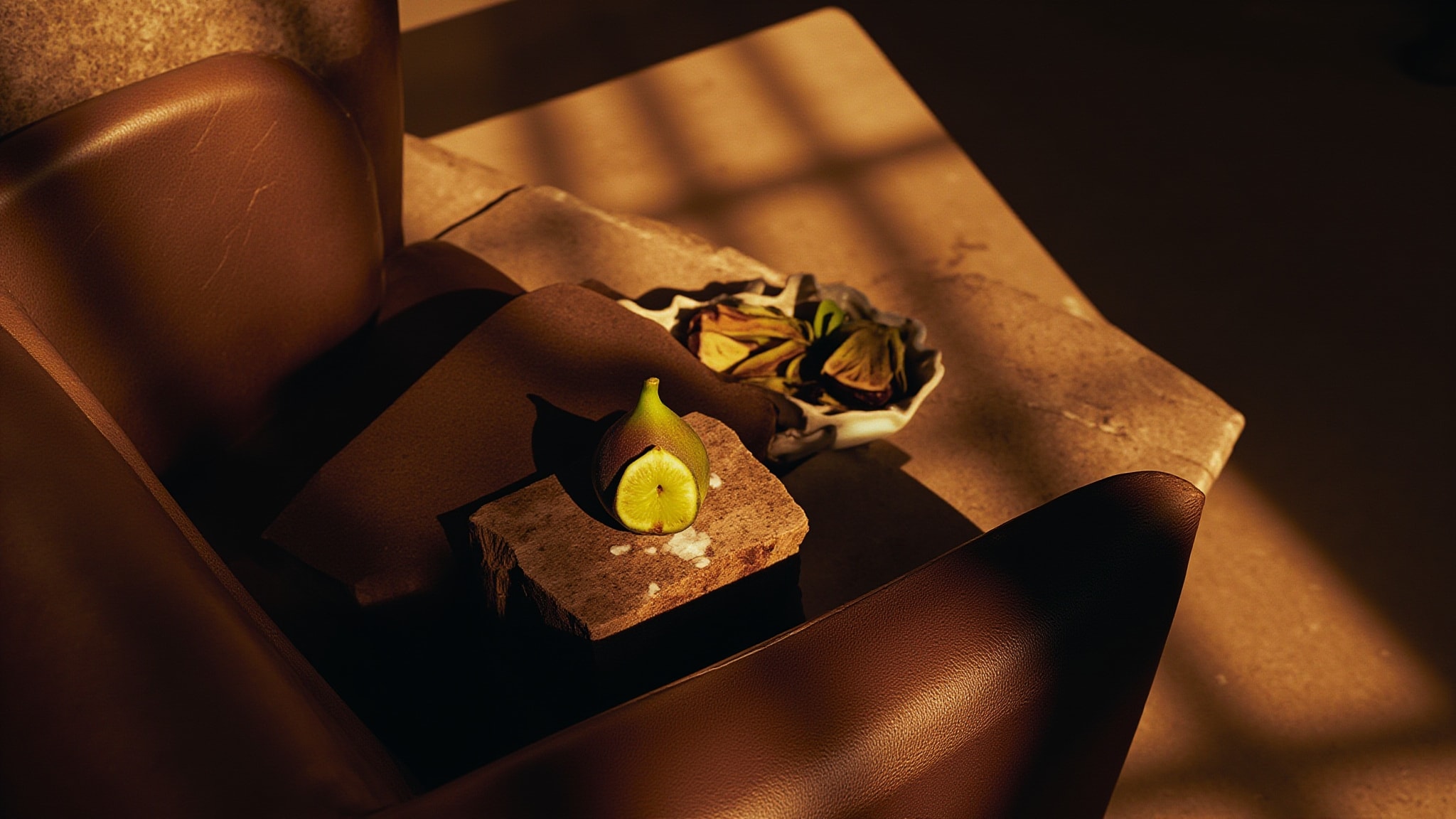
Fig came from a question Mandy Aftel couldn't shake: why do so many fig fragrances smell like only one part of the tree? The fruit, yes. But what about the green stems, the latex, the forest floor beneath? She wanted all of it, the complete botanical experience, not a highlight reel. Launched in 2009, Fig became Aftelier's answer: a composition that takes the fig apart and reassembles it whole, using jasmine sambac and fir absolute to carry the weight while yuzu and Seville lavender keep everything shaking loose enough to breathe.
What makes Fig unusual is its willingness to use hyraceum, an animalic material derived from the secretions of the African rock hyrax. In perfumery, it's known for a honeyed, fecal, leathery character that modern formulations often replace with synthetic alternatives. Aftelier didn't replace it. The brand built its reputation on honest, natural materials, and hyraceum brings a rawness to the drydown that fig alone can't provide. It's the difference between a photograph and something alive. The Seville lavender absolute, sourced from Spain, adds a fruity, almost wine-like quality that bridges the green opening and the warm base without ever becoming sweet.
The evolution
Grand fir and pink grapefruit hit first, a sharp, forest-fresh opening that clears the air. Clean and crisp, but not sterile. Within minutes, jasmine sambac blooms fat and slow, releasing something almost edible. The pink pepper keeps a soft prickle in the background, a question that answers itself before you realize you asked it. Seville lavender rounds the edges into something lazier, rounder. As the top notes fade, Balsam Fir settles into the base alongside the hyraceum. That's where Fig earns its reputation, the animalic note arrives late and stays close, wrapping around the skin like warmth you didn't expect. It doesn't announce itself. It lingers.
Cultural impact
Fig occupies a specific corner of the fig-forward category, closer to Serge Lutens' botanical explorations than to mainstream fruity-green interpretations. Where Diptyque Philosykos captures the leaf, and Maison Francis Kurkdjian Basilicata reaches for the whole tree, Aftelier's version leans into the animalic base that most houses avoid. It attracts wearers who seek natural materials and accept their imperfection, people who understand that real perfume can be challenging and find that honesty worth wearing.
The House
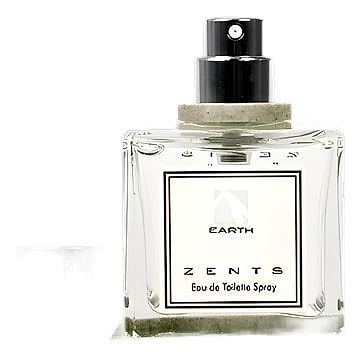
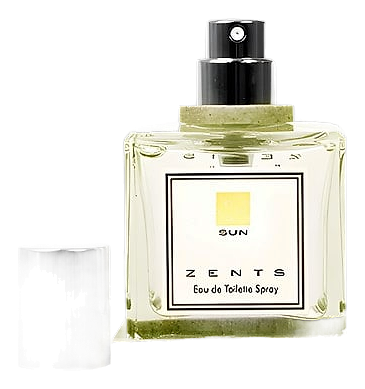
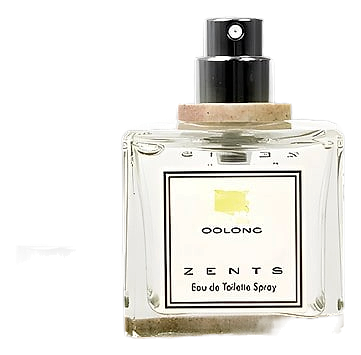
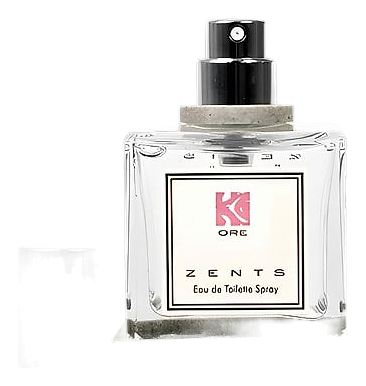
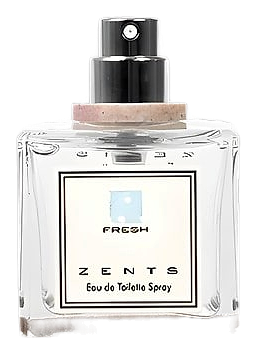
ZentsZENTS is a fragrance and skincare brand that developed its first collection of scented products around 2000. The brand built its initial range around elemental and natural concepts, releasing single-note fragrances named after pure ingredients and natural forces such as Earth, Water, Sun, and Fig. ZENTS positioned itself within the clean beauty movement, creating vegan formulations free from animal-derived ingredients and opposing animal testing practices. The company expanded beyond fine fragrance into complementary skincare, bath, and body product categories, offering consumers a coordinated approach to scent application across multiple product types. Reports indicate the brand utilizes natural ingredients and probiotic peptides as functional components within its product formulations.
The Creator
Mandy AftelShe works almost exclusively with essential oils, absolutes, and CO₂ extracts harvested from wild or sustainably farmed sources. Aftel favors cold‑pressed citrus, rose absolute, oakmoss, and ambergris substitutes such as labdanum.