
The Story
Why it exists.
The beginning
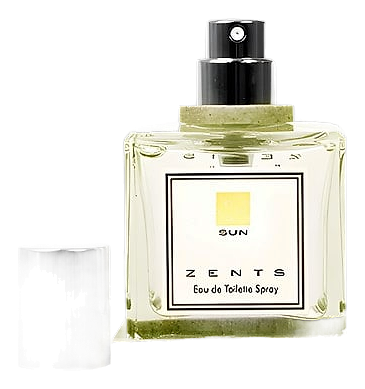
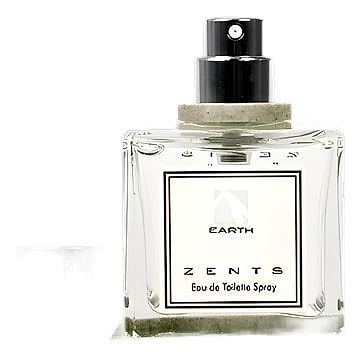
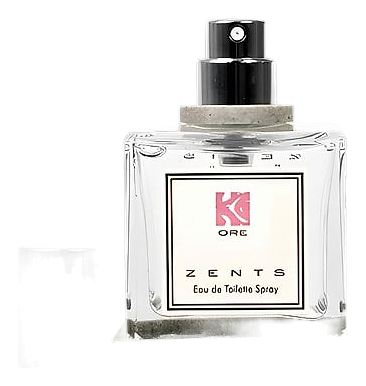
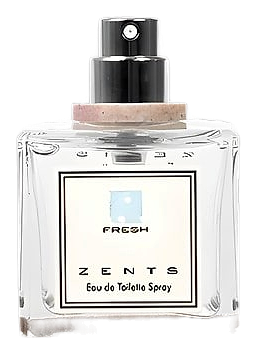
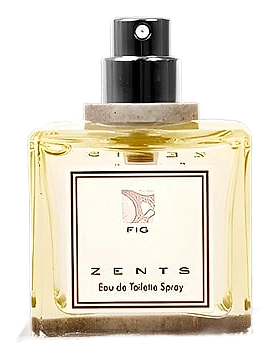
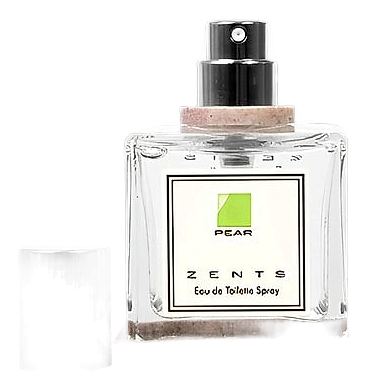
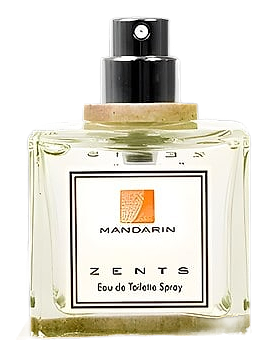
John Curran, co-founder of Zents, composed Mandarin as part of the brand's early work, a fragrance he dedicated to the Orient. His inspiration drew from the spice markets of Thailand, where bright citrus and warm spice share the same stall and the air itself carries the weight of centuries of trade and tradition. Mandarin joined the lineup alongside Earth, Water, Sun, and Fig, each scent taking its name from a botanical or elemental reference point. The composition reads as a study in contrasts: the bright, sharp lift of citrus against the deeper, grounded warmth of spice and wood. There's a sense of travel in the accord, not the polished kind, but the raw, sensory-rich kind where kaffir lime and bergamot collide with dusty cardamom and sandalwood on a crowded market afternoon.
Most citrus fragrances keep the top bright and call it done. Mandarin does something quieter and more interesting: it threads orange blossom through the heart as a bridge, then anchors the base with cardamom, ginger, nutmeg, and sandalwood. That structure means the citrus never evaporates into thin air. It carries the warmth forward instead of just sparkling and disappearing. The choice of orange blossom as the only heart note is deliberate restraint, a floral whisper between two louder registers.
The evolution
The first fifteen minutes are pure electricity. Amalfi lemon and lime zest snap against the skin like something just cracked open, sharp, almost effervescent, the olfactory equivalent of cold water on a warm day. Then orange blossom drifts in, barely there, more suggestion than statement, softening the citrus from sharp to honeyed. After about thirty minutes, the base arrives. Cardamom leads, followed by ginger's clean burn, nutmeg's dusty warmth, and sandalwood's quiet cream underneath. The spices never overwhelm. They settle the whole composition into something that reads warm and grounded rather than hot. As the hours pass, the citrus recedes further into memory, leaving behind that warm spice haze as the dominant register. The ginger softens from its initial clean burn into something rounder, almost sweet, while the nutmeg deepens into a woody, almost resinous warmth.
Cultural impact
Mandarin holds a particular place within Zents' elemental lineup, offering something warmer and more complex than a straightforward citrus scent. The fragrance moves beyond simple single-note territory, layering bright Amalfi lemon, lime zest, and kaffir lime against a base of cardamom, ginger, nutmeg, and sandalwood. Orange blossom bridges the two halves, softening the sharp citrus into something honeyed before the spices arrive. What makes Mandarin distinctive is how it balances brightness with grounded warmth, never tipping fully into either zone.
The House
ZentsZENTS is a fragrance and skincare brand that developed its first collection of scented products around 2000. The brand built its initial range around elemental and natural concepts, releasing single-note fragrances named after pure ingredients and natural forces such as Earth, Water, Sun, and Fig. ZENTS positioned itself within the clean beauty movement, creating vegan formulations free from animal-derived ingredients and opposing animal testing practices. The company expanded beyond fine fragrance into complementary skincare, bath, and body product categories, offering consumers a coordinated approach to scent application across multiple product types. Reports indicate the brand utilizes natural ingredients and probiotic peptides as functional components within its product formulations.
The Creator
John CurranCurran's signature leans toward grounded, skin-friendly compositions rather than loud projections. He gravitates toward natural resins, warm woods, and botanical absolutes, ingredients that carry weight and evolve slowly through the drydown.