Lime zest
Lime zest bursts with sun‑kissed citrus, offering a sharp, green spark that awakens the senses and adds a lively lift to modern compositions. Its aromatic oils capture the fruit’s outer peel, delivering a vivid, slightly bitter edge that balances sweet notes.

Character
How it smells
Bright, green citrus that lifts and sharpens.
The zest of a single lime yields enough essential oil to scent roughly 10 ml of perfume, thanks to its high concentration of volatile compounds.








Origin
India
Citrus trees first spread from Southeast Asia to India, where lime zest entered Ayurvedic preparations as a refreshing tonic. Arab traders carried dried zest across the Mediterranean in the 9th century, and medieval European apothecaries used it to mask unpleasant odors in medicinal balms. By the 17th century, French perfumers in Grasse began blending lime zest oil with lavender and rose to create bright summer scents for the aristocracy.
The 19th‑century rise of synthetic aromachemicals did not replace lime zest; instead, it inspired perfumers to pair the natural zest with lab‑crafted citral for greater stability. Iconic 20th‑century fragrances such as Eau de Lime (1935) and later contemporary niche blends kept lime zest at the forefront of top‑note design, proving its enduring appeal across centuries.
Wears it best
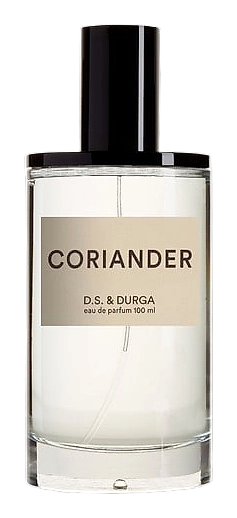
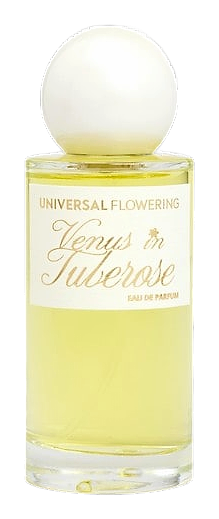
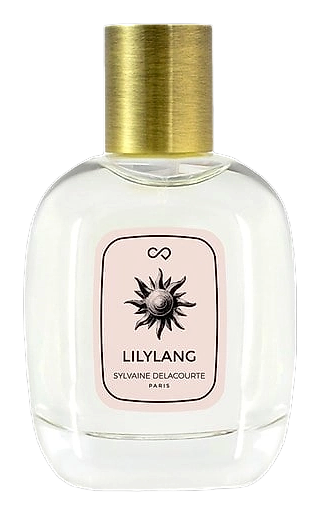
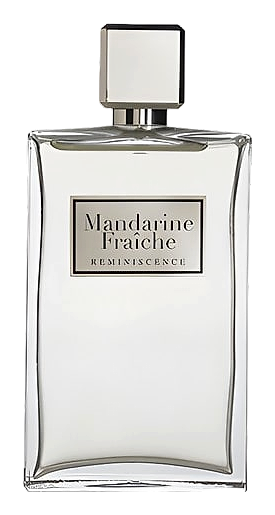
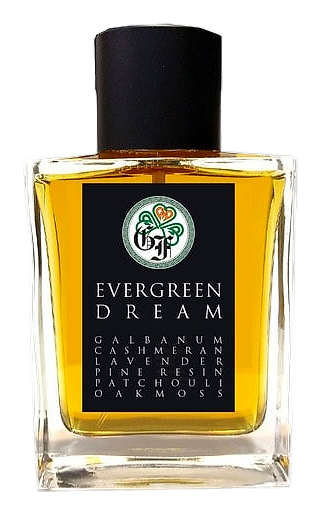
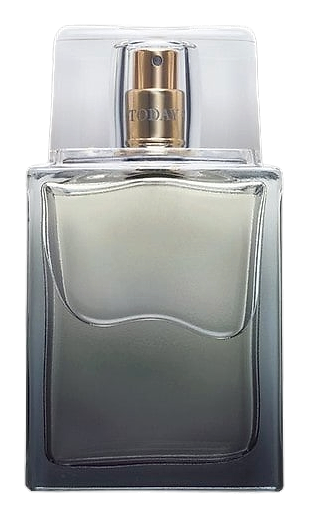
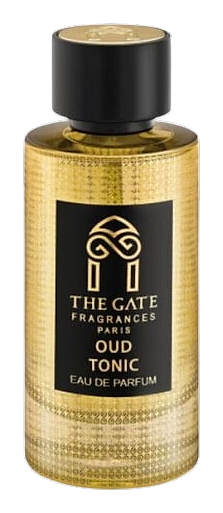
Fragrances featuring Lime zest
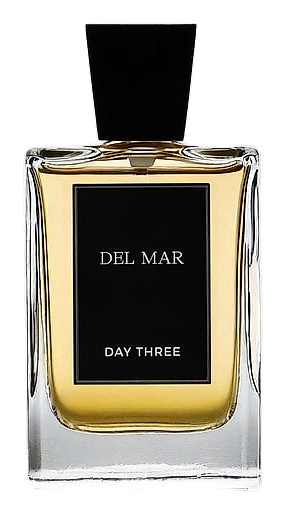
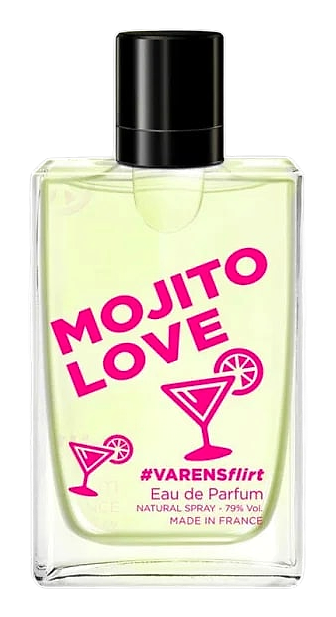
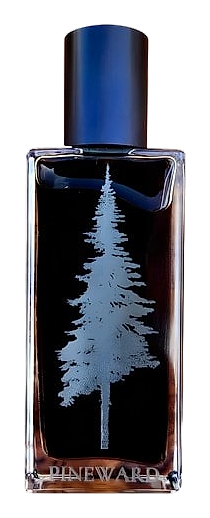
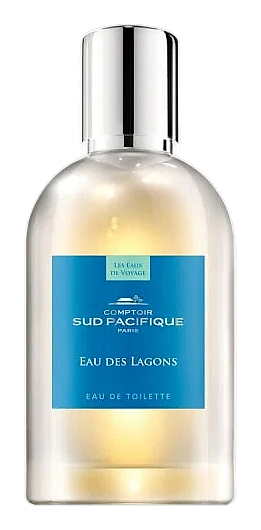

Brands
Brands known for Lime zest
Good to know
Questions, answered
The essentials on Lime zest in perfumery: how it smells, where it comes from, and how it behaves on skin.
What aroma does lime zest add to a perfume?
Lime zest delivers bright, sharp citrus with a green, slightly bitter edge that lifts a blend. The oil contains about 45 % limonene, which creates that crisp, zesty character. Its profile also includes citral and β‑pinene, adding fresh, aromatic nuance.
Is lime zest oil stable in a fragrance formula?
Lime zest oil oxidizes quickly, so formulators limit its concentration and protect it from light. A 2021 stability study showed that storing the oil at 4 °C in amber glass extended its shelf life to 18 months, compared with 9 months in clear containers.
Can lime zest be reproduced synthetically?
Synthetic citral mimics the primary scent of lime zest, but it lacks the full green complexity of the natural oil. In 2018, the International Fragrance Association recorded that 62 % of commercial lime‑note ingredients were still derived from natural zest.
Which classic perfumes feature lime zest?
Eau de Lime (1935) by Caron highlighted lime zest as its top note, and the modern niche fragrance Lime & Cedar (2019) uses zest to frame a woody base. Both examples illustrate how the ingredient defines the opening of a scent.
Are there allergen concerns with lime zest oil?
Lime zest oil can trigger citrus allergy reactions in sensitive individuals. The European Union’s 2020 fragrance allergen list flags limonene, a major component, as a potential sensitizer requiring labeling above 0.01 % concentration.
How is lime zest oil stored to preserve its freshness?
Store the oil in tightly sealed amber glass at cool temperatures, ideally below 10 °C. A 2019 laboratory test measured a 30 % drop in limonene content after six weeks at room temperature, confirming the need for refrigeration.
What role does lime zest play in fragrance structure?
Lime zest acts as a top‑note accent, providing an immediate burst of freshness that evaporates within the first ten minutes. Its rapid diffusion creates contrast with heart and base notes, shaping the perfume’s opening dynamics.
Is lime zest safe for skin application?
When diluted to typical perfume concentrations (under 5 %), lime zest oil is safe for most skin types. A dermatological survey in 2022 reported only 1.3 % of participants experienced mild irritation at 3 % concentration.