The Story
Why it exists.
The beginning
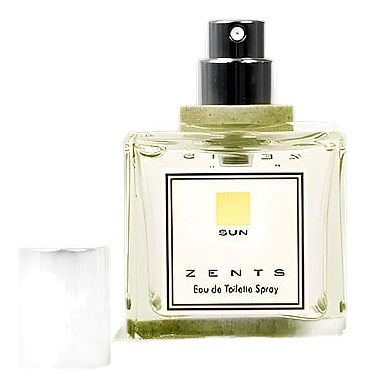
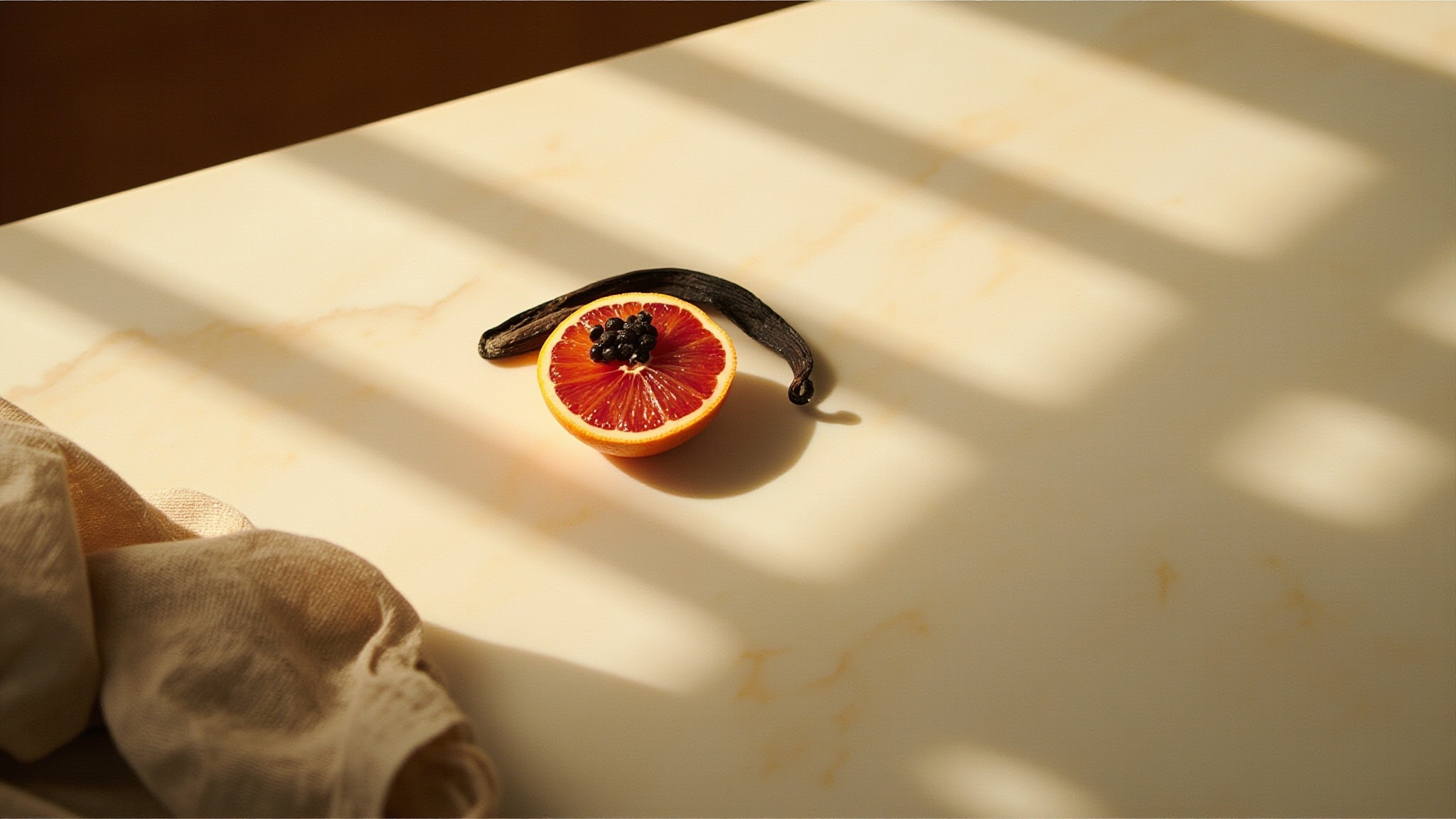
Sun was Cord Coen's tribute to his mother, a fragrance built not to announce itself, but to comfort. The brief seems to have been simple: capture the warmth of someone who shows up, every day, without needing to be asked. That's a harder thing to bottle than it sounds. Coen reached for blood orange and pink grapefruit first, bright, tart, the kind of opening that wakes things up without startling them. Then he let heliotrope do the quiet work, threading powdery softness through the citrus so the sharpness could ease instead of fade. Sandalwood and vanilla followed, anchoring everything into warmth that lingers near the skin. It's dedicated to a person. But the composition itself reads like a decision, to make something gentle on purpose, when loud would have been easier.
The pairing of heliotrope with vanilla is the quiet gamble here. Heliotrope brings an almond-like sweetness and a powdery, almost floral edge that can tip into medicinal territory if it isn't balanced. Coen didn't fight it. He let it sit next to blood orange, a citrus fruit with more body and less acidity than, say, lemon, so the brightness softens the powder without erasing it. Sandalwood then enters late and stays quiet, adding a creamy woody warmth that keeps the drydown from going flat. The result is a pyramid that doesn't announce its phases. They bleed into each other, which is exactly the point: comfort doesn't have transitions. It just arrives and stays.
The evolution
The opening hits clean and tart, blood orange and pink grapefruit, bright without sharpness. Within ten minutes, the citrus recedes and heliotrope takes over, turning the scent from a morning jolt into something softer, almost talc-like. This is the phase that defines Sun: powdery, warm, unexpectedly cozy. The sandalwood and vanilla arrive around the thirty-minute mark and never fully leave. They linger in the background, a warm base that keeps the composition from going flat as the citrus and heliotrope fade. By the second hour, you're left with vanilla and sandalwood, close to the skin, intimate, the kind of scent someone notices only when they're next to you. The longevity sits in the four-to-six-hour range, moderate sillage throughout. It doesn't project. It stays.
Cultural impact
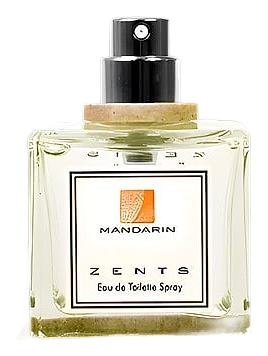
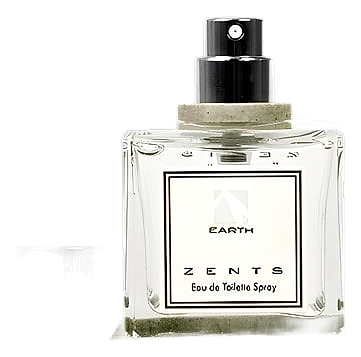
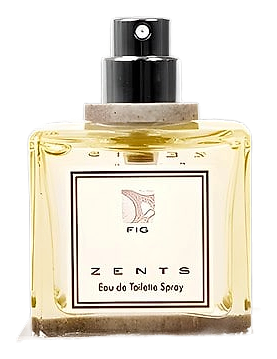
Sun arrived in 2000 as part of Zents' elemental collection alongside Earth, Water, and Fig, offering a gentle counterpoint to the louder, louder citrus fragrances of that era. Where late-90s and early-2000s perfumes leaned into assertiveness, Sun's muted sillage and heliotrope-forward drydown carved out a quieter niche. This approach aligned with the broader wellness movement gaining traction at the time, though Sun predates the clean beauty wave by over a decade. Its consistent fanbase appreciates the fragrance for what it refuses to do, demand attention, overwhelm spaces, or announce itself. That restraint has kept Sun relevant among those seeking understated daily wear, positioning it as a quiet cult favorite rather than a blockbuster scent.