The Story
Why it exists.
The beginning
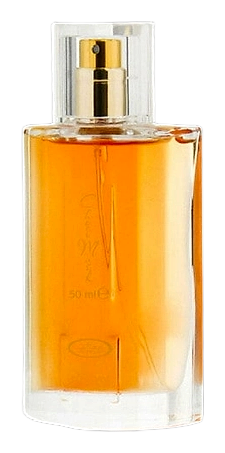
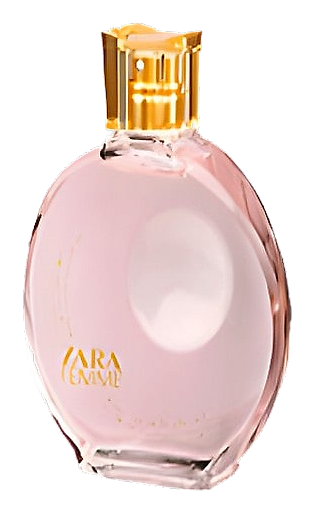
Zara Femme arrived in 2006, when the brand was deep in its stride as a global fashion force. The name said everything, unapologetically feminine, confident in that directness. It wasn't trying to perform luxury. It was offering a fashion-forward scent to the woman who lived in Zara's clothes and wanted the full picture. The 2006 launch placed it among Zara's early standalone fragrance efforts, before the brand's later high-profile collaborations made headlines.
The heart is where Zara Femme earns its keep. Peony and orris root together create a powdery-floral signature that sits between classic and contemporary, familiar enough to comfort, interesting enough to hold attention. The Granny Smith apple in the opening is a clever move: it keeps the citrus from feeling generic, adding a crispness that reads as green rather than sweet. It's the kind of structural choice that shows someone was paying attention to balance, not just trend-chasing.
The evolution
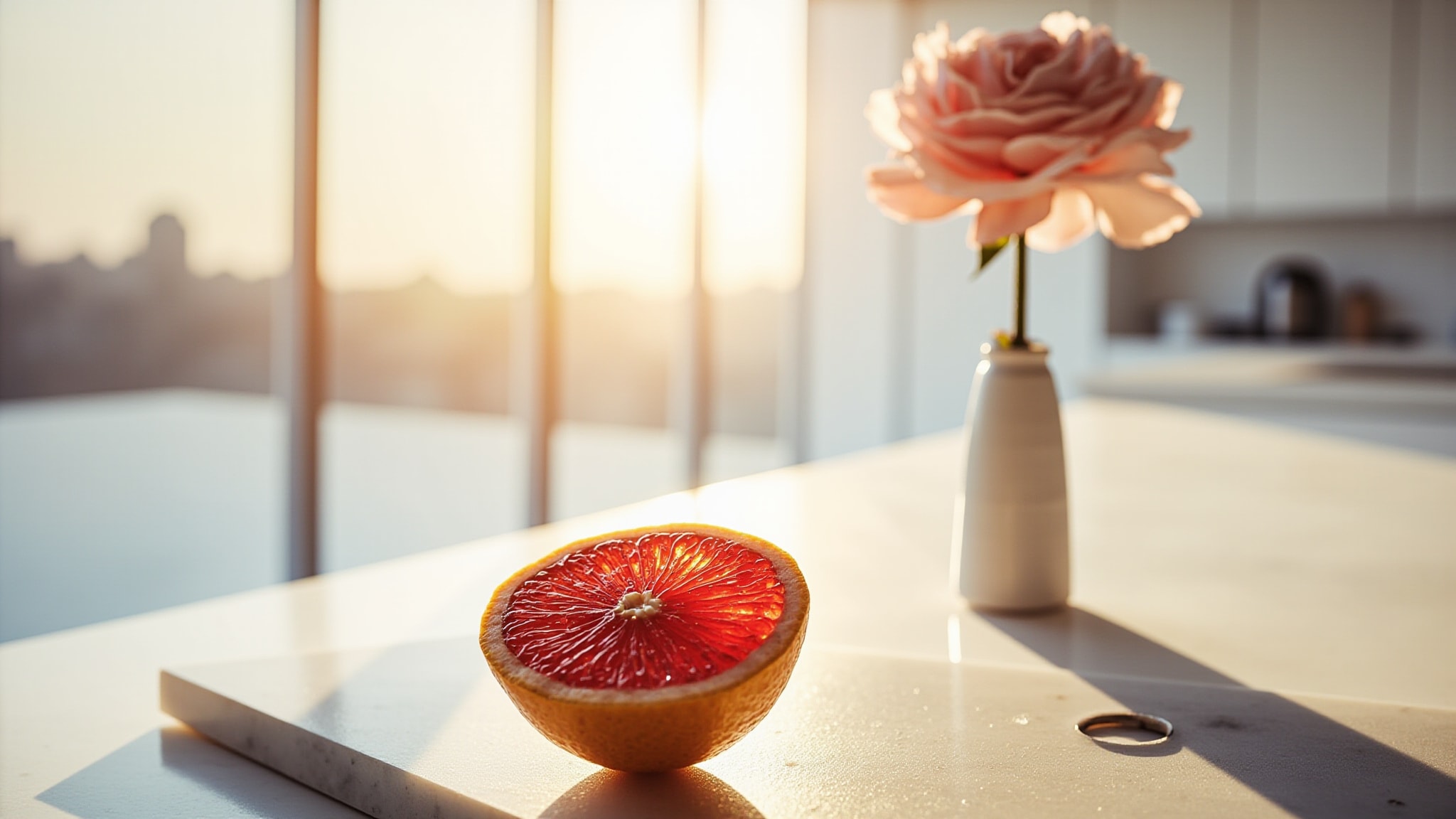
The citrus opening hits immediately, bright, tart, juicy grapefruit with mandarin sweetness cutting through. Lemon adds a sunlit quality. The Granny Smith arrives last, a flash of green that keeps the whole thing fresh. Within minutes the fruit starts to recede. Peony emerges first, lush and distinctly floral, not aquatic or synthetic. The orris root follows, bringing its powdery, slightly violet character that smooths everything underneath. The drydown takes its time. Musk arrives quietly, settling close to the skin. Amber adds warmth without heaviness. Cedar anchors it all with a dry, woody finish that prevents the base from going flat. Six to eight hours on skin, with the final hour being the quietest, a skin-close warmth that doesn't project but stays intimate and present.
Cultural impact
Discontinued fragrances develop a particular kind of appeal, Zara Femme 2006 falls into that category. Those who wore it still reference it; those who missed it seek it out. The quality-to-price ratio surprised many. Peony and orris as the floral anchor is a more sophisticated choice than the rose-jasmine defaults of the era. The 2006 launch predates Zara's more recent high-profile collaborations but shares the same underlying philosophy: contemporary femininity without the luxury markup.