The Story
Why it exists.
The beginning
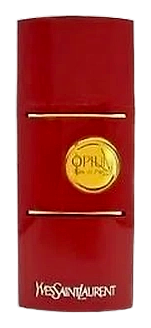
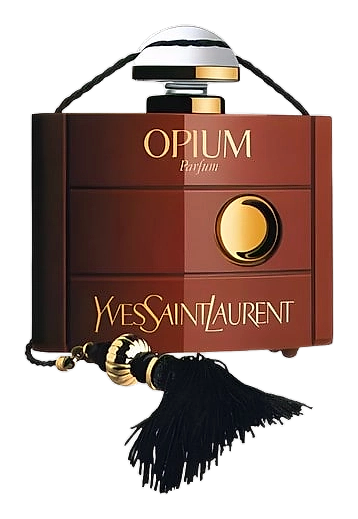
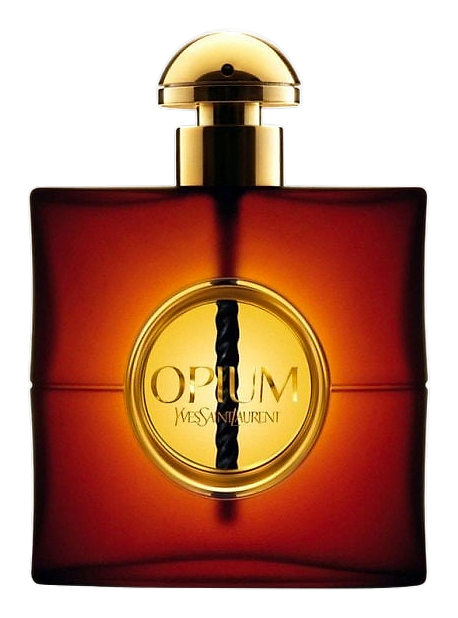
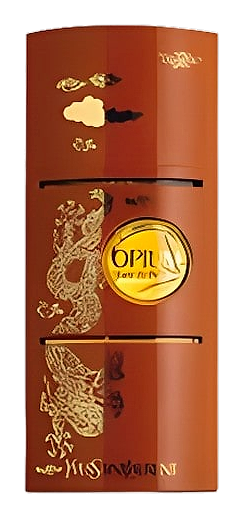
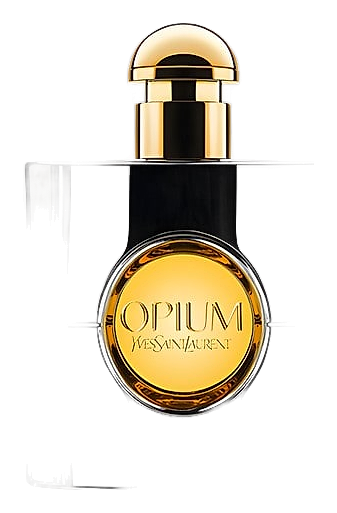
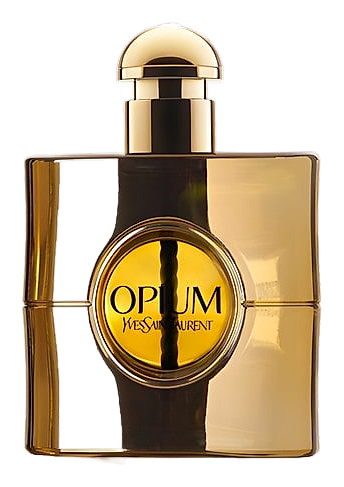
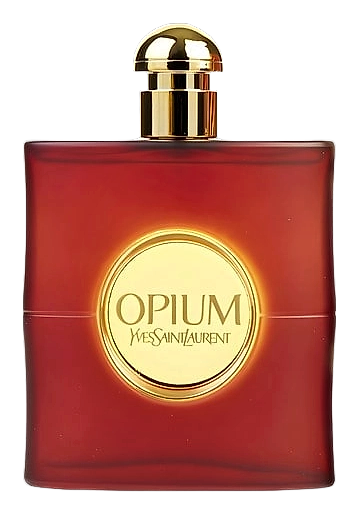
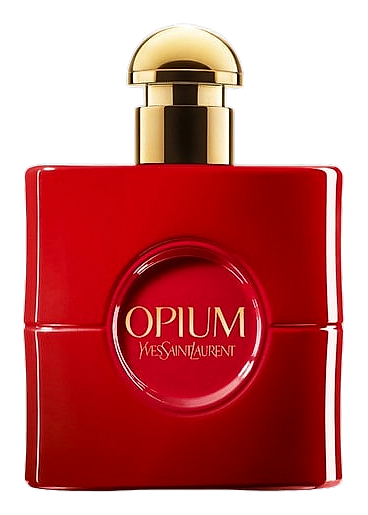
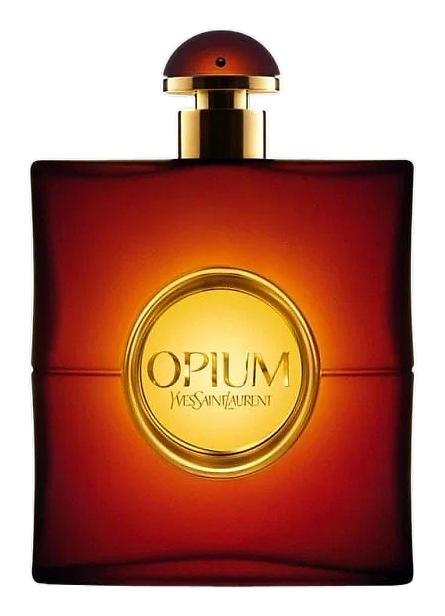
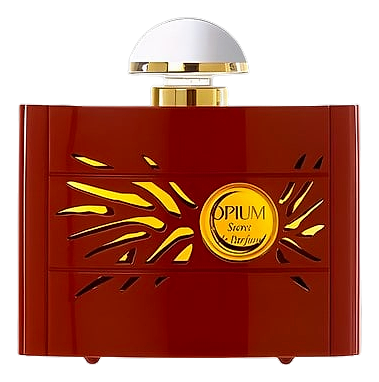
Jean-Louis Sieuzac designed Opium Secret de Parfum in 1992 as a concentrated expression of the house's most iconic olfactory statement. The original Opium had caused an international sensation in 1977 with its provocative name and bold Oriental character. Fifteen years later, Sieuzac returned to that foundation with a denser, more intimate composition. This variant sat between the standard Eau de Parfum and the pure Parfum in concentration, offering exceptional longevity and sillage. The name remained unchanged because the identity was already established: Opium meant warmth, spice, resin, and a certain unapologetic presence that no other fragrance in the portfolio commanded quite the same way.
The use of red myrrh in the heart is the structural choice that defines this composition. Myrrh provides a warm, slightly medicinal quality that distinguishes it from the sweeter gum resins, it reads as depth rather than sweetness, the kind of material perfumers use when they want something to feel ancient and grounding rather than modern and bright. Opoponax in the base does similar work: sweeter than myrrh, with a honeyed, slightly powdery character that rounds the edges of the patchouli and creates an almost edible quality in the drydown.
The evolution
The opening is brief and efficient. Bergamot and mandarin orange arrive bright, almost brisk, with lily of the valley softening the citrus edges. Within twenty minutes, the myrrh begins to assert itself, warm, resinous, settling the composition from its initial brightness into something more grounded. Jasmine emerges in the heart alongside marigold, adding a floral dimension that reads more as warmth than as fragrance. The transition to the base is where Opium Secret de Parfum earns its reputation. Amber becomes dominant as the florals recede, followed quickly by vanilla and patchouli. At this point, the sillage expands significantly, the performance data reflects an enormous presence that many wearers describe as filling a room without being worn heavily. The drydown continues for hours. Vanilla and patchouli remain the detectable notes as the amber recedes, with opoponax adding a quiet, powdery sweetness that stays close to the skin.
Cultural impact
The 1977 original Opium caused an international sensation with its name and its boldness. Opium Secret de Parfum arrived in 1992 as a concentrated refinement of that legacy, taking the same Oriental Spicy character and distilling it into something more intimate, more controlled, without sacrificing the presence that made the name famous. This is the Opium for someone who wanted the depth without the announcement. The reception among those who found it was immediate loyalty, with the exceptional longevity and sillage cementing its reputation as a fragrance that stays, on skin, in memory, in the spaces it inhabits.