
The Story
Why it exists.
The beginning
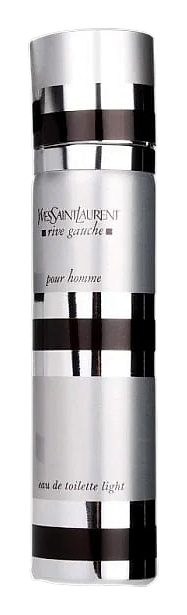
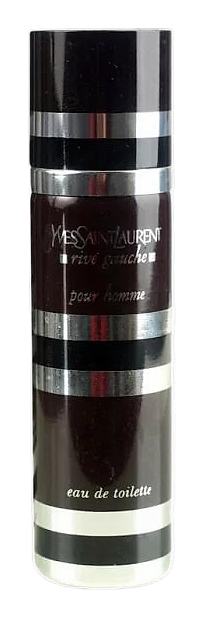
Some names carry weight before a fragrance even touches skin. Rive Gauche Pour Homme translates an established house vocabulary into a masculine register, and the perfumer Jacques Cavallier-Belletrud composed the version that does the talking. The pour homme stands as a spicy-fougère composition, and it works with the kind of roomy confidence that suggests its writer understood exactly how much space a man wants around him. The structure is built to read across a room and across a season, and the construction feels deliberate rather than decorative. Cavallier-Belletrud brings a particular clarity to the formula, treating each note as a sentence in a longer paragraph, and the result is a composition with cadence.
Cavallier-Belletrud built the structure on a rare kind of duality. Star anise and rosemary at the top create a cool herbal tension that most masculine fougères skip past in a hurry. Then lavender, clove, and geranium in the heart make the spice feel deliberate rather than accidental. Guaiac wood, patchouli, and vetiver form the floor, smoky and rooted, the kind of base that makes the opening feel like a deliberate provocation rather than an accident of chemistry.
The evolution
The first ten minutes belong to bergamot and star anise, and they don't whisper. The anise has that clean medicinal cool, almost licorice-root sharp, while bergamot brightens the edges. Rosemary cuts through both like a blade. The fougère structure appears early, lavender and geranium arriving around the twenty-minute mark, and the whole thing warms by degrees. Clove joins late in the heart phase, giving the spice a darker register. By the two-hour mark the composition has settled into guaiac wood and patchouli, smoky and slightly sweet. Vetiver keeps it from going too soft, grounding the drydown with a dry, rooty edge that refuses to dissolve into pure sweetness. The guaiac wood gives the late phase its character, layering a toasted warmth over the patchouli rather than competing with it, and the vetiver steps in to keep the structure honest.
Cultural impact
Worn by men who remember what a proper fougère smells like, the pour homme has a way of finding its audience without advertising itself. The composition leans drier and spicier than most modern releases, holding back on the sweetness that has crept into so many masculine launches. It rewards a certain kind of attention, the kind you give a record you already know, and the wearers tend to be people who stopped chasing newness years ago and started wearing what actually works. The fragrance gets recognized by people who stopped paying attention to launches years ago, and that's a quieter kind of endorsement than any review.