
The Story
Why it exists.
The beginning
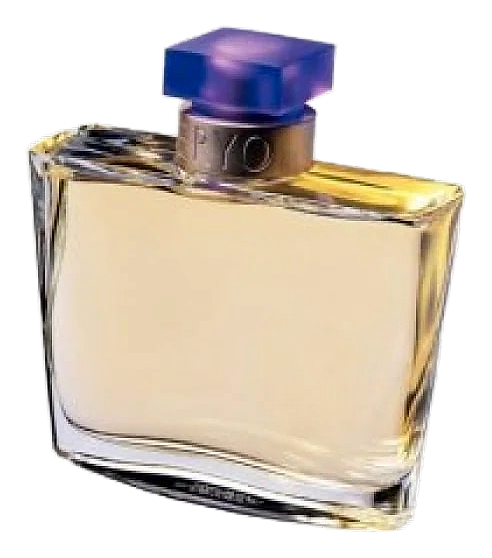
Eryo landed in 2002 as a men's woody-fresh fragrance from Yves Rocher, joining a perfume portfolio that had grown into something more structured than its earlier botanical skin-care work. The brand had built a reputation on accessible, garden-grounded beauty, and over the decades its scent families expanded well beyond those roots into a wider range of releases. Eryo sat within this men's lineup with a simple but deliberate structure. Bergamot and peppermint opened it, a cold and clean pairing that sets the tone immediately. Rosemary carried the middle, a single herbal note allowed to dominate the heart phase without competition. Vanilla, benzoin, patchouli, and costus grounded the base, layering warmth and earth beneath the green sharpness above.
What makes the composition interesting is its restraint. Two top notes, one heart note, four base notes, a narrow pyramid that lets each ingredient breathe without crowding. The choice to let rosemary stand alone in the heart, surrounded only by citrus above and a sweet-earth base below, gives it a kind of authority that busier compositions dilute away. Costus is the note most people won't recognize. It's a root-derived material with a warm, slightly animal edge, sometimes described as dirty or sweaty in high concentrations.
The evolution
The opening is where Eryo shows its teeth. Bergamot and peppermint hit cold and clean, the mint sharper than you expect, almost toothpaste-adjacent for the first minutes of wear. There's a green herbal edge underneath that signals where it's headed, but the first phase reads as fresh, almost clinical, the kind of opening that cuts through warm air and carries presence in a room. As the peppermint burns off, rosemary takes the wheel completely. This is the longest and most recognizable phase, the period where the fragrance defines itself on skin. The rosemary here is dried-leaf and stem, not the piney camphor version found in some other compositions. It has a sharpness that holds attention, sitting close enough to register but not so close it disappears into skin chemistry.
Cultural impact
Eryo wears like a fragrance from the early-2000s men's category without shouting about it. Its closest neighbors in user comparisons are Chanel Allure Homme, Lacoste Pour Homme, and Joop Homme, woody-fresh-spicy territory with broad appeal. What separates it is the rosemary, dominant enough to register as a signature rather than an accent, and the costus, a base note most casual buyers won't recognize but that adds a warmth the more obvious vanilla-patchouli combinations miss. The vanilla-patchouli pairing is a workhorse of men's fragrance, familiar and easy to wear, but the addition of costus shifts the balance.