The Story
Why it exists.
The beginning
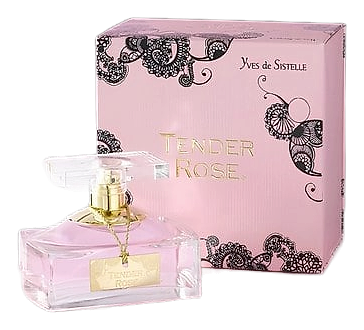
Tender Rose is part of Yves de Sistelle's catalog of accessible floral-woody compositions, a house that has built its fragrance line with an emphasis on identifiable, crowd-pleasing profiles rather than avant-garde experimentation. The fragrance takes its name from its defining accord: a rose that stays gentle rather than projecting as the dominant note. The composition falls within the floral-woody-musk family, with the fruit-rose-spice structure suggesting a daytime wear rather than an evening statement. Rose remains the thread, but the supporting cast of patchouli, vetiver, amber, and cedar keeps the composition anchored to skin rather than filling a room.
What makes this composition worth noting is how the top notes set the tone. Peony brings a cool green lift that keeps rose from collapsing into something one-dimensional, while pink pepper adds a faint piquancy just beneath the surface. Once those opening notes fade, the heart becomes a layered floral: rose reasserts itself, fuller now, alongside jasmine and freesia, with cedar adding a dry structure that prevents the bouquet from feeling syrupy.
The evolution
The opening is the brightest the scent gets. Peony leads with its cool green quality, and rose begins threading through almost immediately, still light and translucent. Pink pepper adds a faint shimmer underneath, a prickly brightness that lifts the fruit-and-floral blend without dominating it. The effect is one of almost watery clarity, the kind of opening that reads as fresh without reading as sharp. Within the first half hour, jasmine has entered, and the scent shifts warmer. The green-cool quality of the opening recedes and the florals become the focus. Cedar makes itself felt here, adding a pencil-shavings dryness that keeps the heart from turning syrupy. Freesia contributes a soft, airy quality that keeps the bouquet from feeling heavy. As the hours pass, patchouli and amber take over, and the scent takes on an earthy warmth.
Cultural impact
Tender Rose occupies a recognizable place within the broader rose-fragrance category, a space crowded with centuries of compositions built around the flower. What distinguishes it from many of those releases is its softness: the rose here never sharpens into a soliflore statement, nor does it disappear entirely beneath a cloud of musks and woods. The supporting notes do meaningful work, with patchouli and vetiver giving the drydown enough earthiness to keep the scent from reading as purely sweet, and amber adding a low warmth that holds the composition together across the hours.