The Story
Why it exists.
The beginning
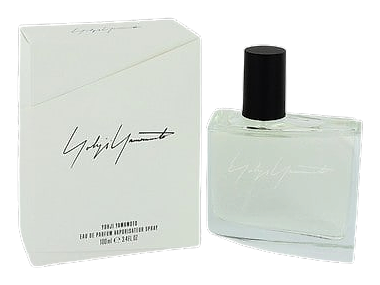
Yohji Yamamoto pour Femme arrived in 2004 as the brand continued translating its philosophy of deliberate absence into scent. Nathalie Feisthauer built the composition around a tension the house rarely abandons, structure against softness, presence without volume. The 2004 release carried that instinct into a powdery-floral register, built on restraint rather than declaration. The scent opens with an herbal clarity that feels both fresh and contemplative, the kind of opening that asks you to pay attention rather than simply announce arrival. There is an intentional quietness here, a deliberate withholding that becomes its own form of presence.
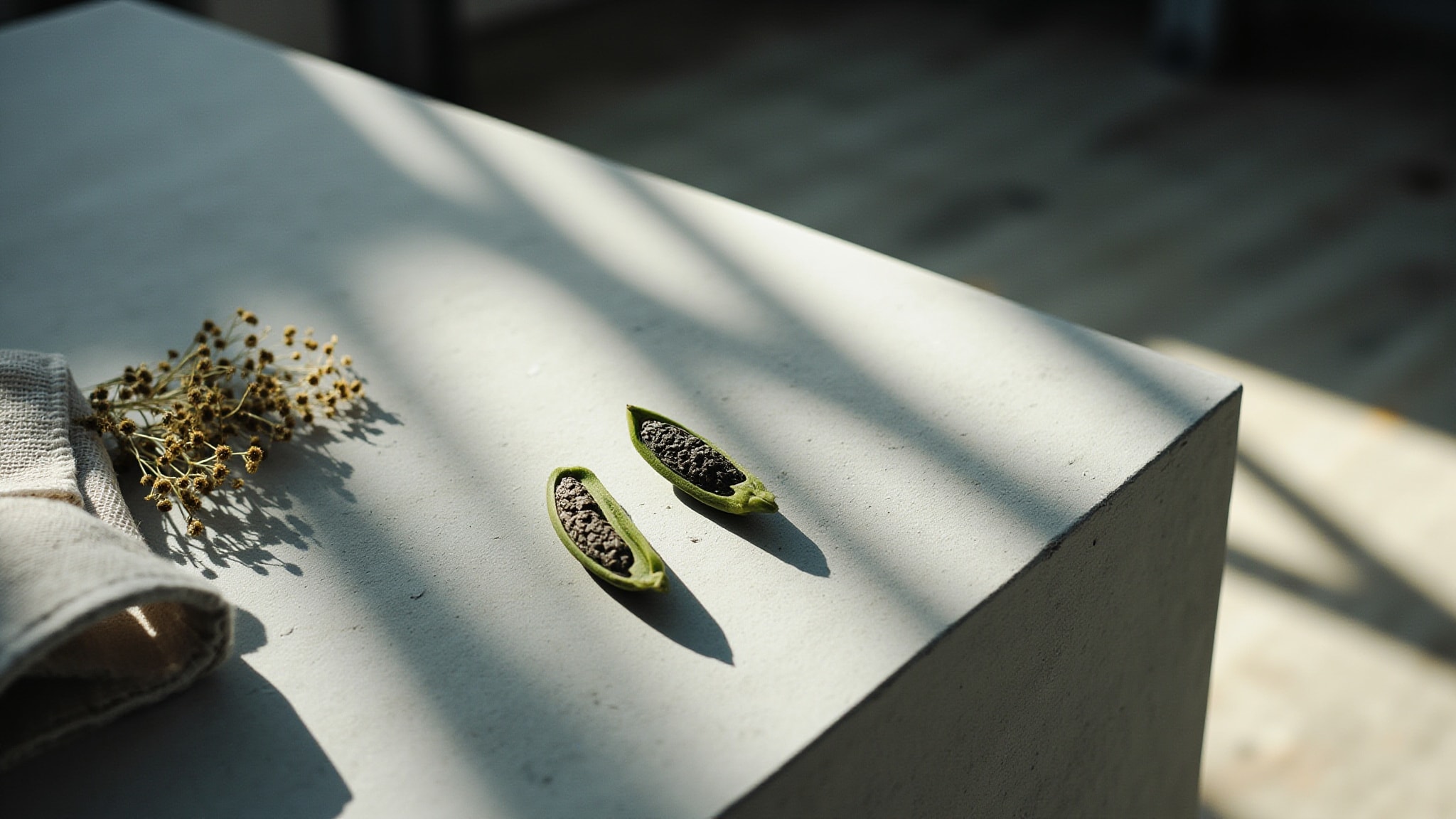
What makes this composition unusual is the chamomile. It sits in the top, lending an herbal quality that reads almost medicinal, not cold, but precise. The cardamom beside it adds warmth without heat. Together they create an opening that feels curated rather than impulsive. In this scent, the powdery-floral structure doesn't announce itself immediately. Rose and iris are present but they wait their turn, emerging later rather than leading. The delay is the point, a composition that trusts you to stay.
The evolution
The opening announces chamomile first, green and astringent, before the cardamom warms it. Mandarin orange provides a brief lift, then recedes. By the second hour the heart arrives: heliotrope and iris build the powdery architecture while jasmine and Turkish rose lend quiet sweetness. The transition isn't dramatic, it's a slow hand-off. The drydown belongs to vetiver and amber, earthy and warm, with benzoin adding a resinous softness that lingers. On most skin the fragrance develops and persists through these stages, remaining closer to the body than projecting into the surrounding air. The next morning, vetiver remains on fabric, clean, dry, resolved.
Cultural impact
Yohji Yamamoto pour Femme offers powdery florals for someone who finds mainstream florals too sweet and orientals too heavy. The 2004 release doesn't chase the bold profiles that defined the niche movement of that era. Instead it offers something quieter, a scent that occupies its own space rather than competing for attention. The composition trusts the wearer to appreciate restraint, to understand that absence can be its own presence. For those who connect with it, the fragrance becomes an extension of the house philosophy: functional architecture that reveals rather than decorates.