
The Story
Why it exists.
The beginning
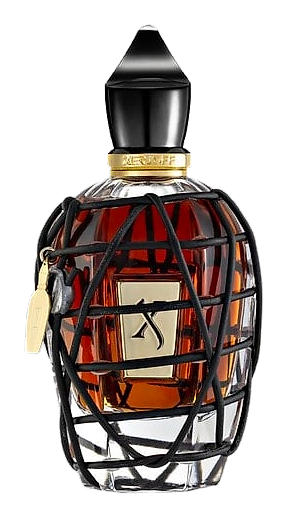
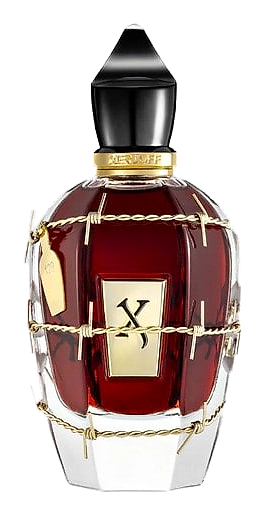
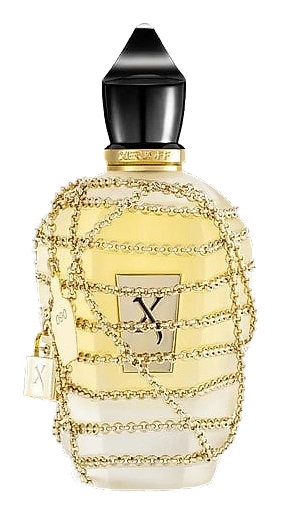
The Sketchbook collection explores the many ways desire manifests itself, with each fragrance offering a different perspective on the theme. P.70 is the final chapter, the one that asks what happens when possessiveness goes too far. What would you lock away? What would you throw away the key to? The fragrance takes its name from that tension: something precious, something withheld, something made more desirable precisely because it cannot be reached. Xerjoff's brief was simple, make desire the raw material.
The structure earns its complexity from contrast. Mango and violet open the composition with a tropical-floral sweetness that feels almost innocent, the sweetness of something forbidden, not yet tasted. But leather and amber sit just beneath the surface, waiting. When they arrive at the heart, the fragrance shifts from flirtation to declaration. Cloves and jasmine deepen the warmth without softening it. The result is a scent that moves through phases the way obsession moves through a relationship: tentative, then bold, then impossible to shake.
The evolution
The opening announces itself quickly, mango's tropical sweetness floods forward, backed by violet's powdery softness and a flash of bergamot's citrus brightness. Within minutes, the leather arrives. Not harsh, not animalic, warm, supple, present. Amber amplifies it. The floral notes (Turkish rose, jasmine) don't disappear but they recede, becoming part of the warmth rather than leading it. By the second hour, the drydown begins its takeover. Vanilla and tobacco emerge together, sweet, smoky, resinous. Peru balsam adds a balsamic depth that lingers close to the skin. Oakmoss grounds everything, adding an earthy base that prevents the sweetness from floating away. On fabric, this fragrance will still be detectable the next morning. On skin, count on eight to ten hours before it fades to a quiet warmth.
Cultural impact
P.70 joins the Sketchbook collection's exploration of desire, completing a trilogy that examines different facets of longing and possession. Limited to 150 pieces, it represents Xerjoff's commitment to exclusivity and artistic expression over commercial accessibility. The collection's numbered format signals a deliberate pause in the house's broader output.