The Story
Why it exists.
The beginning
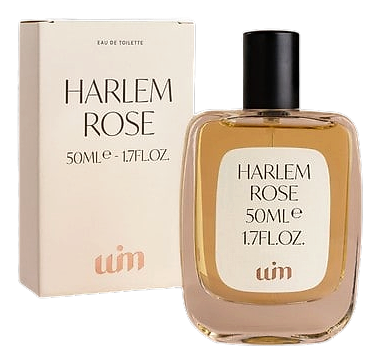
The name carries a postcode. Harlem, a neighborhood in upper Manhattan that shaped jazz, literature, and the Harlem Renaissance into a living memory. The fragrance captures something textured: worn leather, fresh coffee, rose. What emerges is a study in contrast. Rose and leather coexist, one is softness, the other is grit. But Harlem Rose finds the seam between them and presses hard. Coffee opens the composition with an unexpected bitterness that grounds the florals, keeps them from floating into abstraction. The suede arrives next, wrapping the rose in something textured and intimate. This is urban memory, a portrait of a neighborhood that feels like it was grown there. The rose doesn't grow in a garden here.
The note structure holds a few surprises. Rose appears twice, in the top and in the heart, creating a thread that runs through the entire development rather than just opening the fragrance and vanishing. The suede occupies a middle position, neither the bright opening nor the deep drydown, which makes it feel like a material choice rather than a background note. It softens the leather without diluting it. The coffee is the structural secret.
The evolution
The opening is bright and sharp. Rose and geranium arrive together, but the coffee pulls them earthward, a bitter counterweight that keeps the florals from reading as soft. At the heart, the suede takes over. It's not a dramatic transition. The rose doesn't disappear; it settles deeper, wrapped in leather and woody notes that give it weight. The geranium fades. This middle phase is where the fragrance earns its name, Harlem Rose begins to feel like a specific place, a specific mood, rather than a general idea of floral warmth. The drydown is intimate. Amber and musk settle close to the skin, with resinous warmth. The leather remains present but softens. The final trace is faint amber, rose, and something that reads as warm skin rather than perfume.
Cultural impact
Women In Mind occupies a specific corner of independent perfumery, not abstract concept work, not heritage house formality, but something that translates urban memory into scent. Harlem Rose doesn't try to compete with the leather-oud classics or the rose-forward niche. Instead, it carves its own territory: rose and suede, coffee and resin, the texture of a neighborhood rather than the idea of it. The fragrance works well when the suede and leather have room to open, which tends to happen in cooler months. Evening wear suits it, not because it projects aggressively, but because the intimacy is the point.
The House
Women In MindWomen In Mind is a contemporary fragrance house that entered the market in 2021, presenting a curated collection anchored in place and memory. The brand's initial offerings include London Fields and Harlem Rose, both developed in collaboration with perfumers Jacqueline Steele and Tony Dallimore. Rather than pursuing the crowded niche of abstract conceptual fragrances, Women In Mind grounds its work in specific urban geography, allowing each scent to function as an olfactory portrait of a particular neighborhood. The brand occupies a distinctive position within independent perfumery by prioritizing geographic specificity over generic luxury positioning.
The Creator
Jacqueline Ella SteeleJacqueline favors a transparent approach to structure. She builds a scent around a clear focal point - often a single flower or a mineral note - then layers supporting accords that reinforce rather than mask the core.