The Story
Why it exists.
The beginning
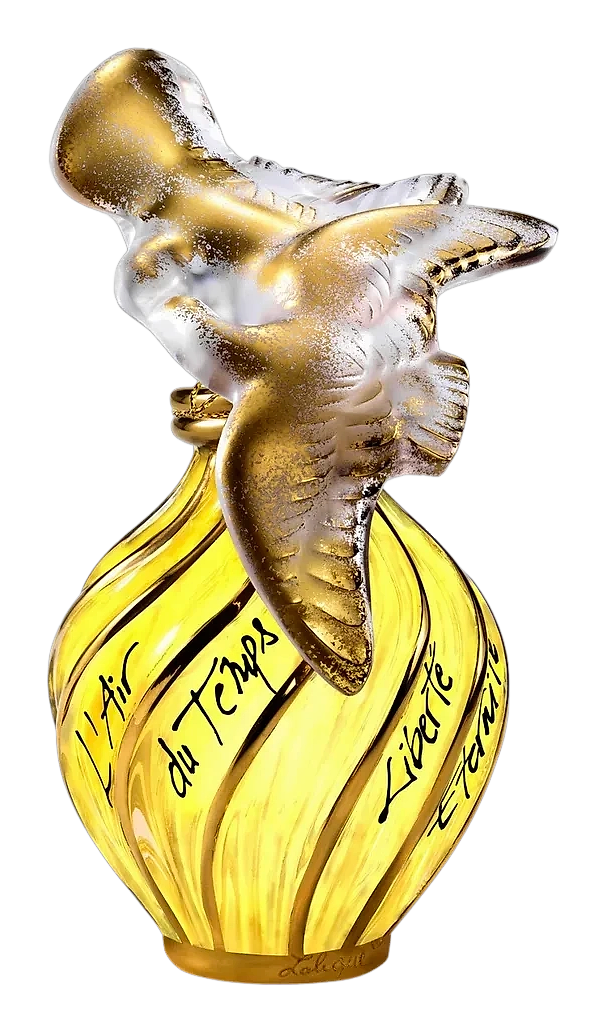
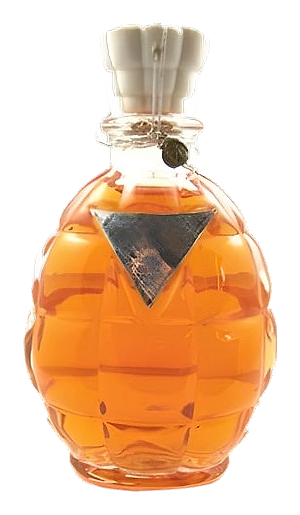
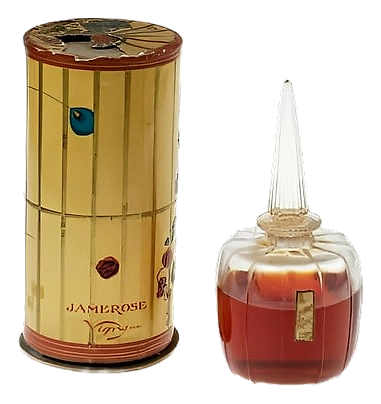
Jamerose arrived in 1919 from Vigny, a Paris-based fragrance house. Its name points to James Rose, identifying a particular rose rather than offering a broad floral theme. René Lalique designed the bottle, giving Jamerose a distinctive visual identity before the fragrance is even opened. The name also invites attention to the composition itself: rose is the central reference, with an oriental accord providing its larger structure. This pairing presents Jamerose as a fragrance built around a named floral identity rather than an anonymous bouquet. Its appeal lies as much in the concept and presentation as in the scent, encouraging a closer look at how the rose and oriental elements are brought together within the composition.
The James Rose reference gives Jamerose a sharper sense of specificity than a simple rose name would. A named variety suggests a defined point of reference, while the oriental accord places that rose identity within a different compositional context. That combination is the point. Jamerose doesn't present the flower only as a conventional floral idea. The name keeps attention on the rose while the accord adds another layer of structure, allowing the fragrance to be considered through both its floral reference and its broader composition.
The evolution
Jamerose begins with an idea of rose in full bloom, paired with an oriental accord that gives the composition its defining shape. The rose remains the clearest point of reference, while the accord changes how that familiar floral material is perceived. This is less a transition between separate scent families than an interaction between a named rose and a broader style of composition. The name keeps the concept focused, even as the accord introduces a second expressive element. On skin, Jamerose can be read through the relationship between these two parts: rose supplies the central floral identity, and the oriental accord provides the framework around it.
Cultural impact
Jamerose is a fragrance with a specific floral identity, pairing James Rose with an oriental accord and presenting both through a bottle designed by René Lalique. Its discontinued status makes it available as an object of fragrance history and collecting interest. The name, composition, and packaging offer several ways to discover the scent beyond a straightforward floral description.