








    Home/Brands/Vigny

    Vigny

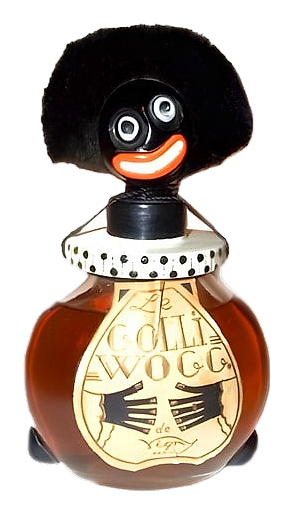
    Vigny was a short-lived but audacious Parisian fragrance house that operated from 1919 to 1952. Founded by the perfumer Jacques Vogel and his brothers under the original name Parfums de Vigny, the house carved a distinctive niche in early 20th-century French perfumery through its playful, character-driven approach to scent creation. Vigny fragrances often carried whimsical names drawn from popular culture and literature, with bottles and packaging that functioned as collectible art objects. The house's most famous creation, Le Golliwogg, launched in 1919, took its name from a widely recognized children's book character and featured packaging designed in collaboration with illustrator Michel de Brunoff. Though Vigny ceased operations in 1952, its handful of surviving fragrances, particularly the orientals and florals of the 1920s and 1930s, remain objects of fascination for collectors of vintage perfume. The house demonstrated that commercial fragrance could carry narrative depth and artistic ambition, even within a brief three-decade lifespan.

    FranceEst. 1919
    2
    Fragrances
    3.7
    Avg rating
    Shop the collection
    SignatureLe Golliwogg
    Le Golliwogg
    EDP
    Community
    3.7
    Average rating
    across 2 fragrances
    Collection
    2
    Fragrances and counting
    Heritage
    1919
    Founded in France

    Most loved

    Bestsellers from Vigny

    Le Golliwogg by Vigny
    Vigny
    Le Golliwogg
    2.7
    Compare prices
    Heure Intime by Vigny
    Vigny
    Heure Intime
    4.7
    Compare prices
    Coming soonGuili Guili by Vigny
    Vigny
    Guili Guili
    Coming soon
    Coming soonLe Chick Chick by Vigny
    Vigny
    Le Chick Chick
    3.5
    Coming soon
    Coming soonMusky by Vigny
    Vigny
    Musky
    Coming soon
    Coming soonL'Infidele by Vigny
    Vigny
    L'Infidele
    Coming soon
    Coming soonBe Lucky by Vigny
    Vigny
    Be Lucky
    Coming soon
    Coming soonLe Bosquet de Vigny by Vigny
    Vigny
    Le Bosquet de Vigny
    Coming soon
    Coming soonBeau Catcher by Vigny
    Vigny
    Beau Catcher
    Coming soon
    Coming soonEcho Troublant by Vigny
    Vigny
    Echo Troublant
    Coming soon
    Coming soonL'Ambré by Vigny
    Vigny
    L'Ambré
    Coming soon
    Coming soonChambord by Vigny
    Vigny
    Chambord
    Coming soon

    Fresh in

    New from the house

    Heure Intime by Vigny
    Vigny
    Heure Intime
    4.7
    Compare prices
    Le Golliwogg by Vigny
    Vigny
    Le Golliwogg
    2.7
    Compare prices
    Coming soonCoccinelle by Vigny
    Vigny
    Coccinelle
    Coming soon
    Coming soonBeau Catcher by Vigny
    Vigny
    Beau Catcher
    Coming soon
    Coming soonGuili Guili by Vigny
    Vigny
    Guili Guili
    Coming soon
    Coming soonEcho Troublant by Vigny
    Vigny
    Echo Troublant
    Coming soon
    Coming soonBe Lucky by Vigny
    Vigny
    Be Lucky
    Coming soon
    Coming soonLe Bosquet de Vigny by Vigny
    Vigny
    Le Bosquet de Vigny
    Coming soon
    Coming soonLe Chick Chick by Vigny
    Vigny
    Le Chick Chick
    3.5
    Coming soon
    Coming soonFleur Celeste by Vigny
    Vigny
    Fleur Celeste
    Coming soon
    Coming soonMusky by Vigny
    Vigny
    Musky
    Coming soon
    Coming soonL'Infidele by Vigny
    Vigny
    L'Infidele
    Coming soon

    Heritage

    A house, in its own words

    The story of Vigny begins in 1919, when Jacques Vogel, a trained perfumer, established the house alongside his brothers in Paris. The brothers chose to operate under the name Parfums de Vigny, establishing their identity within the competitive landscape of early 20th-century French perfumery. Jacques Vogel served as the house's perfumer, a role that required both technical mastery of aromatic materials and creative vision for composition. The house arrived during a period of tremendous ferment in French fragrance culture, when perfumers were experimenting with new synthetics and exploring bolder, more characterful scent profiles than the floral bouquets that had dominated the previous century. Vigny's approach distinguished itself through an embrace of narrative themes. Rather than simply naming fragrances after flowers or abstract concepts, the house drew inspiration from literature, popular entertainment, and recognizable cultural figures. This strategy manifested most famously in the 1919 launch of Le Golliwogg, named after the illustrated character created by Florence K. Upton in 1895. The packaging for this fragrance was entrusted to Michel de Brunoff, an established illustrator, and his brother-in-law Lucien, a collaboration that elevated the perfume's presentation to art object status. Around 1925, the house introduced additional bottles featuring imagery inspired by Josephine Baker, the American-born entertainer who had become a sensation in Paris. These collector's items demonstrated Vigny's willingness to associate its fragrances with the most contemporary cultural icons. The house continued releasing perfumes through the 1920s and 1930s, with notable offerings including Le Chick Chick (1923), Be Lucky (1925), Guili Guili (1932), and Heure Intime (1933). Despite this steady output, Vigny closed its doors in 1952, bringing an end to one of French perfumery's more whimsical chapters. The house's brief existence produced a concentrated body of work that remains distinctive for its literary playfulness and artistic packaging. Vigny operated from a philosophy that fragrance could and should tell stories. Rather than positioning perfumes as anonymous, abstract olfactory experiences, the house built its catalog around named characters, cultural references, and narrative conceits that gave each scent a recognizable identity. This approach reflected a broader tendency in early 20th-century French culture to embrace whimsy and modernity simultaneously. The house's naming conventions suggest an understanding that consumers in the 1920s wanted more than pleasant smells; they wanted fragrances with personality and provenance. Le Golliwogg, for instance, invited consumers to bring a beloved childhood character into their daily lives through scent. L'Infidele (The Faithless One) offered a romantic narrative in two words. Be Lucky proposed that fragrance might serve as a talisman. This narrative approach extended to the house's visual presentation, where packaging and bottle design received the same attention as the juice inside. The collaboration with Michel de Brunoff on Le Golliwogg's packaging demonstrated that Vigny viewed fragrance as a total sensory and aesthetic experience, not merely a smell. The house's willingness to associate itself with entertainers like Josephine Baker further reinforced an identity as a brand attuned to contemporary culture rather than merely继承了 traditonal perfumery conventions. Vigny's philosophy appears to have been that perfume could be both serious craft and playful cultural artifact simultaneously.

    1919
    Jacques Vogel and his brothers establish Parfums de Vigny in Paris and launch the inaugural collection, including Le Golliwogg, L'Ambré, Musky, and L'Infidele.
    1919
    Le Golliwogg packaging is created through collaboration between illustrator Michel de Brunoff and his brother-in-law Lucien.
    1923
    Vigny releases Le Chick Chick, expanding the house's playful catalog of character-driven fragrances.
    1925
    The house introduces bottles inspired by Josephine Baker, marking an association with contemporary Parisian celebrity culture.
    1925
    Vigny launches Be Lucky, continuing the house's tradition of narratively-named scents.
    1933
    The house releases Heure Intime, representing Vigny's continued activity into the 1930s.

    The noses

    Perfumers behind the house

    Did you know?

    Interesting facts

    01

    Le Golliwogg was named after a children's book character created by illustrator Florence K. Upton in 1895, making it one of the earliest examples of fragrance using established literary character licensing.

    02

    The packaging for Le Golliwogg was designed by Michel de Brunoff, an established French illustrator, in collaboration with his brother-in-law Lucien, representing an unusual bridge between fine illustration and commercial perfumery.

    03

    Vigny launched bottles featuring Josephine Baker imagery around 1925, making an explicit visual association with the most famous entertainer in Paris at the time.

    04

    The house operated for only 33 years (1919-1952) yet produced a concentrated body of distinctive, character-driven fragrances that continue to attract collectors.