Jacques Vogel
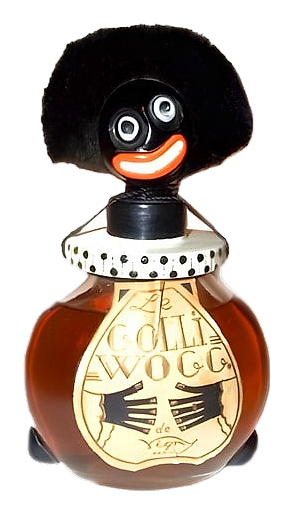
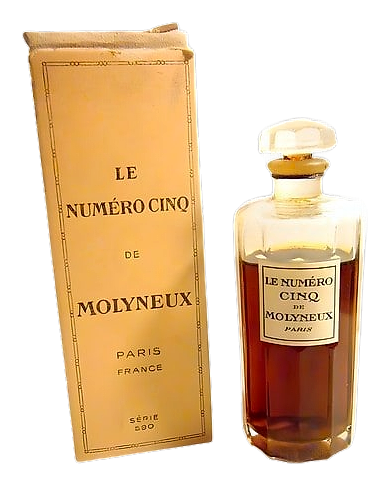
Jacques Vogel belonged to that rare breed of perfumers who understood scent as storytelling before the term became industry shorthand. As one of the founding noses behind the Vigny perfume house, Vogel helped shape a French institution whose releases attracted attention from the pages of French Vogue itself. The magazine's editors recognized something singular in Vigny's offerings, and their endorsement helped establish the house during a competitive era. Vogel's work on Le Golliwogg demonstrated his willingness to venture into unexpected territory, crafting a fragrance named for a cultural figure that defied conventional marketing logic. His partnership with Molyneux produced Numero Cinq, a composition that revealed his skill at building fragrance architecture capable of revealing different facets depending on the wearer. Rather than pursuing mass appeal, Vogel worked with the deliberate pace of someone who viewed each creation as a conversation between chemistry and emotion. The French fashion world's embrace of his work suggested an intuition for how scent could extend personal style beyond clothing. Vogel operated outside the celebrity fragrance boom that would later reshape the industry, maintaining a focus on olfactory craft that his contemporaries increasingly abandoned. His output remained measured but his influence within specialized circles ran deep, particularly among those who valued complexity over commercial safety.
The hits
Notable creations

The signature
How Jacques composes
His signature technique involved layering contrasts in a way that felt inevitable rather than clever. Vogel demonstrated particular facility with vintage materials that modern perfumery would later revisit with nostalgia, working within traditions that emphasized structural clarity. Le Golliwogg showcased his comfort with unexpected associations, while Numero Cinq revealed his talent for composing scents that breathed across the skin rather than projecting aggressively. His preferred palette leaned toward complexity over linear progression, favoring combinations that rewarded sustained attention. Vogel seemed to trust his audience to discover his work rather than announcing it, creating fragrances that announced themselves quietly and revealed themselves gradually. The technical foundation beneath his creations suggested classical training applied with creative restraint, the mark of someone who understood when to exert control and when to let materials speak for themselves.
Philosophy
What drives Jacques
Vogel approached fragrance creation as a form of translation rather than invention. He sought to capture specific sensations and memories, using raw materials as his vocabulary rather than treating them as mere ingredients. His work suggests someone drawn to the way a single composition could register differently across individuals, that subtle shift between wearer and fragrance becoming its own kind of authorship. Rather than imposing a fixed narrative, Vogel appeared to design with space, allowing the skin to complete what the bottle began. This philosophy aligned him with a tradition of perfumery that valued collaboration between maker and wearer over unilateral vision. His willingness to accept ambiguity in how his creations would be received distinguished him from perfumers who chased trend-driven certainty. The Vogel approach demanded patience from audiences willing to engage actively with scent rather than consume it passively.
In the same league