The Story
Why it exists.
The beginning
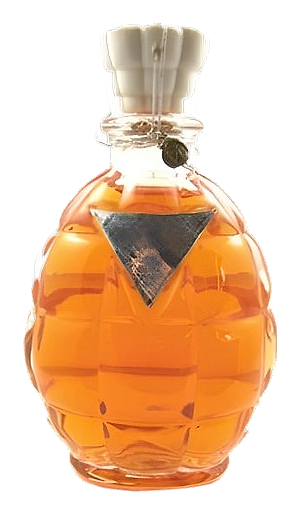
Jacques Vogel created Heure Intime in 1933 as a personal, intimate expression for Vigny, the Parisian house he founded with his brothers a decade earlier. While the house was known for whimsical, character-driven fragrances with names drawn from literature and popular culture, Heure Intime took a quieter approach. Named for the private hour, the quiet ritual of ending the day with something beautiful close to the skin, this was fragrance as self-gift rather than announcement. Vogel built it from aldehydes and florals, materials already deeply embedded in the French perfumery vocabulary, but arranged them with restraint. The result was a cologne that whispered rather than declared, positioning itself as the alternative to the bold Oriental characterizations and theatrical personalities that dominated Vigny's own catalog.
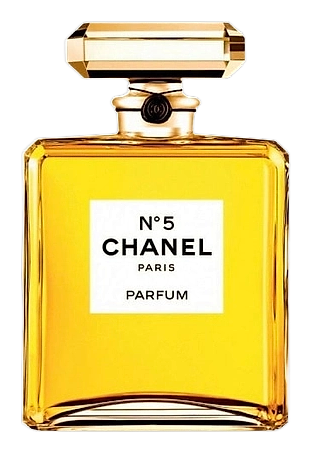
The aldehydes are what define the composition. In 1933, aldehydes had already been used to transformative effect, Chanel No. 5 had established them as the material of modernity in 1921, and perfumers were still discovering what they could do in combination with natural florals. In Heure Intime, the aldehydes don't dominate; they illuminate. They lift the jasmine and ylang-ylang, giving them an effervescent quality that reads almost soapy at the opening, then evolve into the warm, waxy richness of beeswax as the top resolves. The beeswax is an unusual anchor for a cologne of this era, it adds body without weight, a quality that few compositions of the period achieved without relying on heavy Oriental bases.
The evolution
The aldehydes hit first. That immediate, almost fizzy brightness arrives before you finish spraying, the kind of clean that smells expensive rather than modern. Within minutes, jasmine and ylang-ylang push through, their warmth softening the aldehydic sharpness into something richer and more floral. The beeswax emerges next, giving the composition a waxy, slightly honeyed depth that bridges the top and base. The drydown is where Heure Intime earns its name. Amber and sandalwood settle into the skin with real warmth, and the powder arrives, not as an accident but as a destination. This is what makes aldehydic florals of this era so satisfying. The full arc takes six to eight hours, and on fabric the sandalwood will still be detectable the next morning. The sillage stays intimate throughout. Never loud. The kind of fragrance you catch yourself rather than broadcast.
Cultural impact
Heure Intime occupies a specific and quiet corner of fragrance history. As an aldehydic floral from 1933, it sits within a tradition that Chanel had defined a decade earlier, but its cologne concentration and restrained character suggest a different intent. This is fragrance as personal ritual rather than social performance, the kind of scent that functions as a private luxury, worn close to the skin. For collectors of vintage aldehydic florals, it offers the classic structure at a lighter weight than the extraits it predates, and its discontinued status has made it a quiet grail for those who know.