The Story
Why it exists.
The beginning
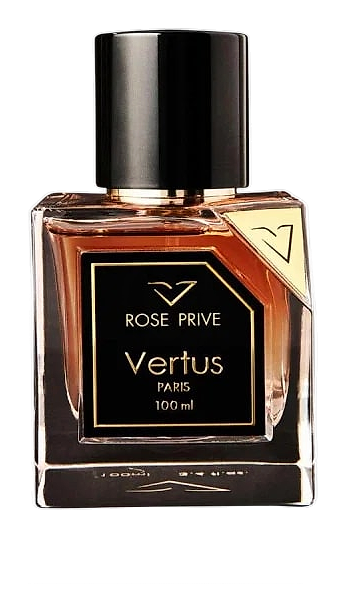
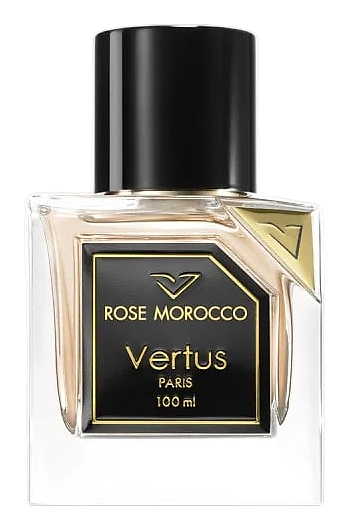
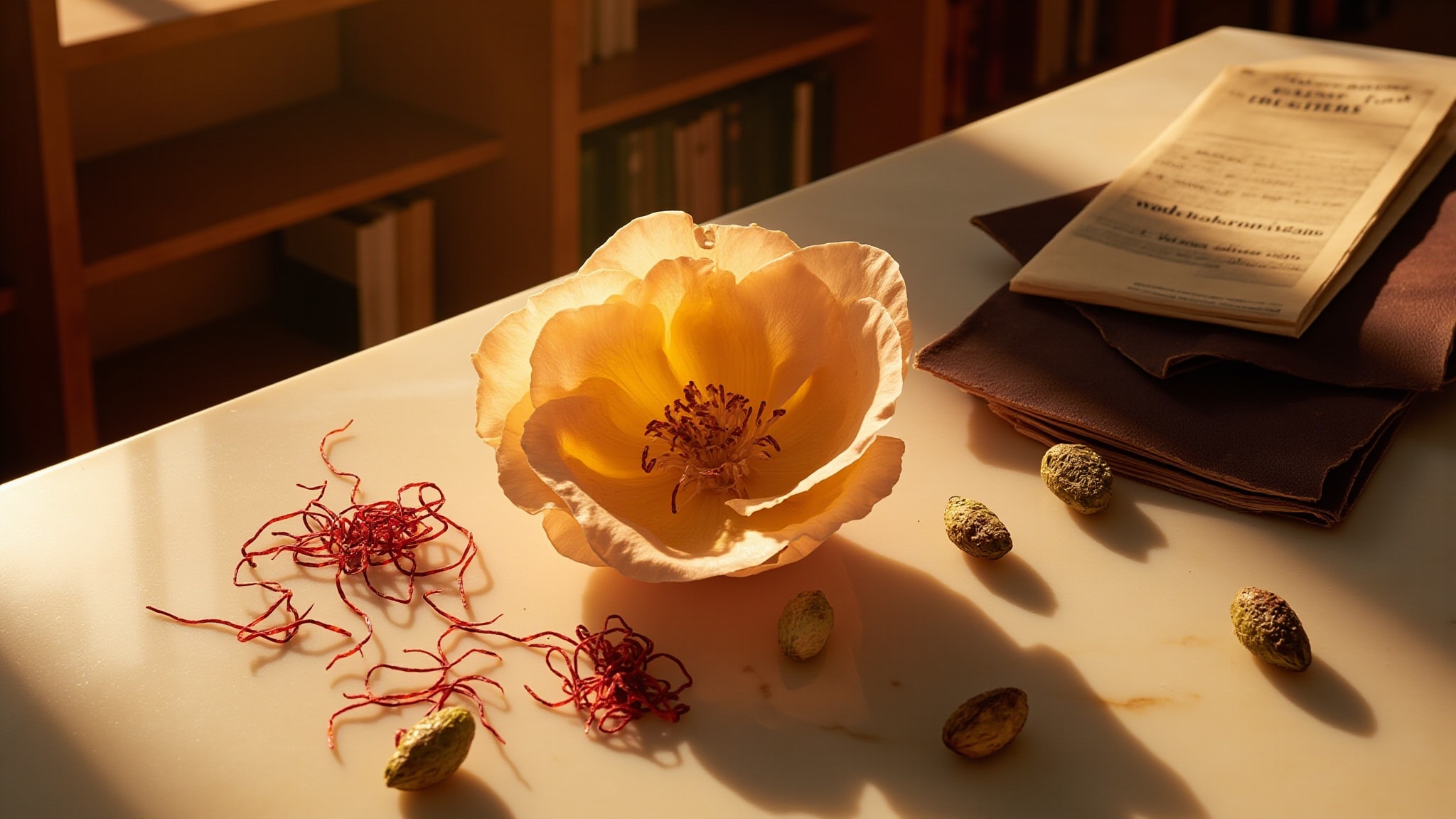
Rose Morocco takes its name from the tradition of Mukhallat, those opulent rose blends from North Africa and the Middle East that layer rose upon rose with spices and resins. Vertus, founded in Istanbul in 2011 on a family tradition in scent-making, interpreted that tradition for 2015 with an opening of apple, saffron, and cardamom. The heart centers on rose meeting geranium, magnolia, and peach, while the base builds toward oud, sandalwood, and vanilla for serious depth.
The note structure is what makes this work. Eight heart notes sounds like chaos on paper, but the combination of cashmere wood, cedar, and sandalwood keeps everything grounded. The rose doesn't compete with the florals, it absorbs them. The real move is the base: oud, vanilla, tonka bean, and amber create a warmth that doesn't let go. This is structured opulence, not noise.
The evolution
The apple hits first, crisp, almost tart. Within minutes, the saffron and cardamom arrive and the whole thing warms up. The rose doesn't rush. It arrives around the thirty-minute mark, settling in beside geranium and magnolia, not displacing the fruit but joining it. By the second hour, the cedar and cashmere wood assert themselves and the composition takes on a quiet authority. The drydown is where this fragrance earns its name. Vanilla, tonka bean, and oud create a warmth that borders on animalic without ever crossing into roughness. Sandalwood and amber hold it close to the skin. On most skin types, this lasts eight to ten hours. The next morning, there's a faint trace of vetiver and musk on fabric, not the fragrance you applied, but its memory.
Cultural impact
Rose Morocco sits in a specific corner of the market, the person who wants opulence without performing it. The Mukhallat reference signals heritage without becoming a period piece. Wearers describe it as the fragrance you wear when you want to be remembered, not when you want to be noticed.