The Story
Why it exists.
The beginning
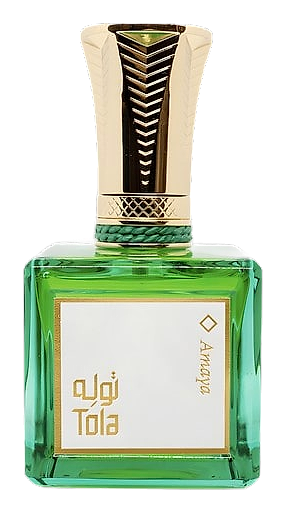
Amaya launched in 2014, the work of perfumer Dhaher Bin Dhaher, the founder of the Emirati niche perfume house Tola. The name belongs to a tradition of honoring mothers, and that thread runs through everything Tola makes. Amaya carries that same sensibility into a finished composition, where the instinct for scent is treated as something inherited rather than acquired. The fragrance sits within Tola's early catalog, a release that helped establish the brand's identity in the wider world of niche perfumery. It is a statement of intent from a house that prefers meaning over noise, substance over flourish. There is a confidence here, the kind that comes from working within a lineage that already has its own grammar.
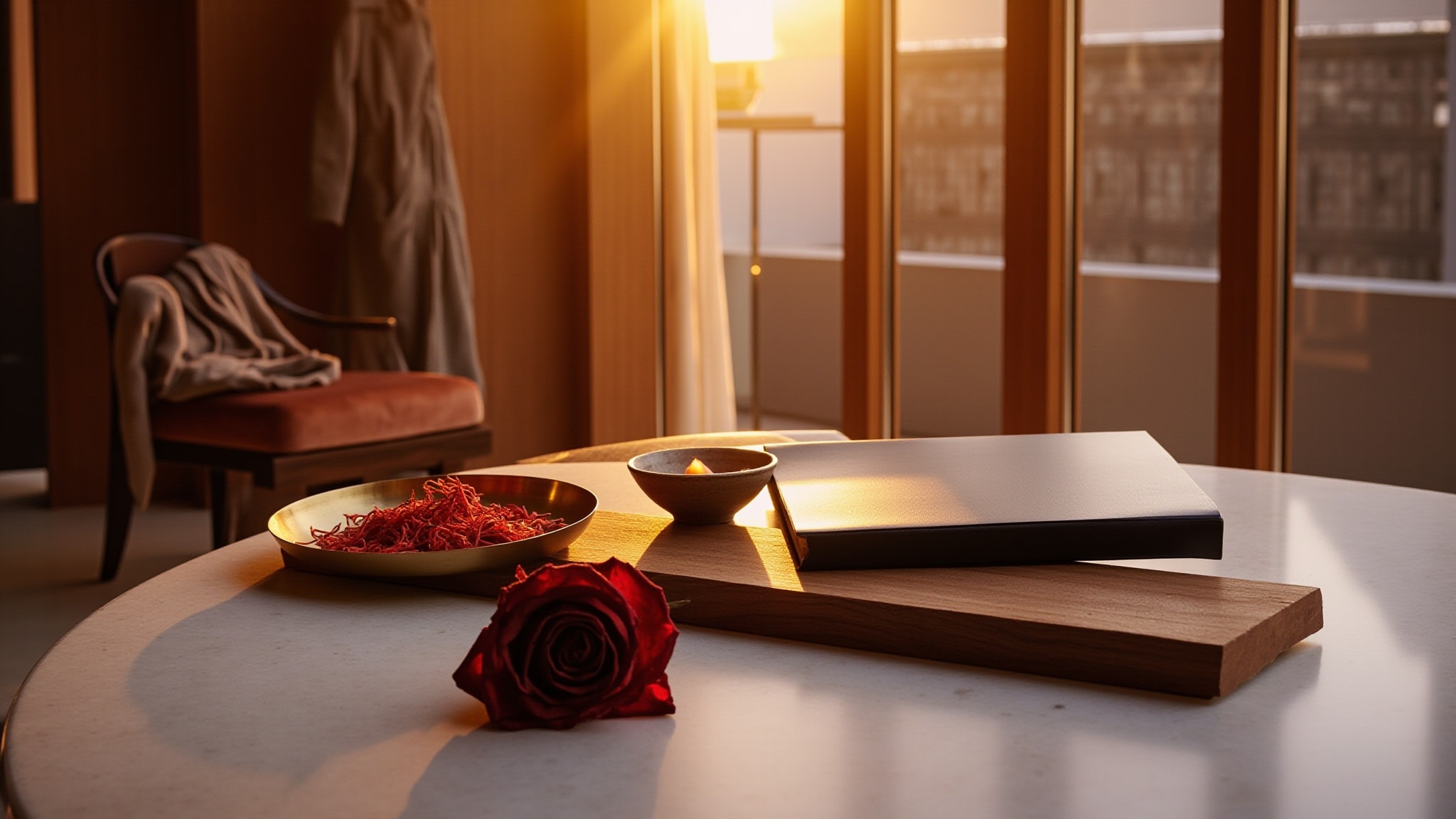
The note structure tells you what Bin Dhaher wanted this fragrance to mean. Saffron and labdanum up top bring resin and warmth before any floral sweetness has a chance to land. The heart keeps rose and jasmine close, but sandalwood and nutmeg steer them somewhere spicier, less ornamental. Oud and cypriol in the base close the arc. That combination of labdanum and saffron at the top with oud underneath creates a weighted register, a composition that holds its shape rather than dispersing into something lighter.
The evolution
The first twenty minutes belong to labdanum and saffron, and they don't negotiate. Resinous, slightly leathery, with that dry saffron bite that registers almost metallic before it softens. Bergamot hovers at the edges, doing very little, which feels intentional. The rose and jasmine arrive between the thirty and ninety-minute mark, and they arrive on sandalwood's terms. This is not a clean floral. The nutmeg threads through, adding a dry heat that keeps the sweetness honest. By hour three, the florals have receded and the base takes over. Oud and cypriol do the heavy lifting now, and they do it slowly. The musk underneath holds everything together without demanding attention. On skin, the arc runs long with above-average projection, settling into a warm, smoky rose-oud trace by the end. The next morning, there's still a faint dusty sweetness on the cuff. It doesn't quit.
Cultural impact
Amaya has earned attention from those who appreciate rose-oud compositions that take the genre seriously. The fragrance reads as someone who grew up around oud and treats it as familiar, not exotic. That comfort with the material gives the composition its confidence. The labdanum and saffron work together with a conviction that comes from long familiarity rather than studied imitation. Wearers often come to Amaya already knowing what they want from a resinous floral oriental, and the fragrance delivers on that expectation without over-explaining itself.