The Story
Why it exists.
The beginning
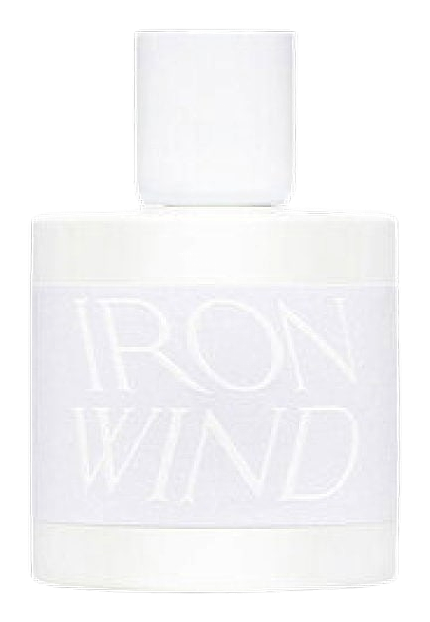
Iron Wind arrived in 2017 from Tobali, a Japanese house whose creative direction draws on Oda Nobunaga, the 16th-century warlord whose charisma and strategic ruthlessness made him one of Japan's most commanding historical figures. Tobali doesn't translate Nobunaga into scent so much as render his presence: the weight of authority, the controlled force, the dignity that refuses to negotiate. Cumin, clove, and saffron open like the first signal of power, assertive and unapologetic, filling the air with a dense, savory warmth that announces itself before you've even registered the bottle. The cumin carries a sweaty, almost animalic heat, while clove builds underneath with a numbing, dense density that prickles at the edges of perception.
What's structurally interesting here is the tension between the warlord reference and the iris-violet leaf heart. Cumin and saffron carry an almost aggressive warmth, the kind of opening that announces itself across a room. But then the composition folds into something quieter, more reflective. Iris brings a powdered dignity that reads as refinement, while violet leaf adds a green, slightly metallic edge that suggests strategy rather than brute force. The metallic accord in the heart is the structural risk, and it's what gives Iron Wind its particular gravity. You're not just getting heat.
The evolution
The cumin leads, no question about it, and it leads loud. You get a dense, almost savory spice wall early on: cumin's sweaty warmth, clove's numbing heat, saffron threading through with a leathery metallic gold. Then iris arrives and shifts the entire register. The composition breathes, gains altitude, and the metallic accord flickers through like light catching on armor. Violet leaf adds a cool green that keeps the heart from going sweet or heavy. The iris carries a powdered, almost suede-like quality that softens the rougher spice edges, while the violet leaf introduces a green metallic coolness that feels almost mineral, like cold stone warmed by sun. Eventually the cedarwood and frankincense take over, and the drydown settles into something contemplative and resinous.
Cultural impact
Iron Wind is a fragrance that takes its cultural reference seriously without becoming a museum piece. The warlord portraiture, drawing from Oda Nobunaga's commanding legacy, appeals to wearers who want their scent to carry narrative weight, who want something that speaks in character rather than in genre. There's a contemplative aggression at work here, a tension between refinement and force, between the powdered dignity of iris and the sweaty heat of cumin. It reads as smoke and shadow rather than polish, a deliberate counter-elegant choice that feels closer to incense in an empty hall than to mainstream sweetness.