

Heritage
A house, in its own words
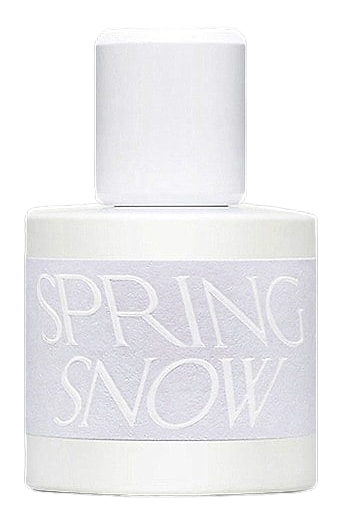
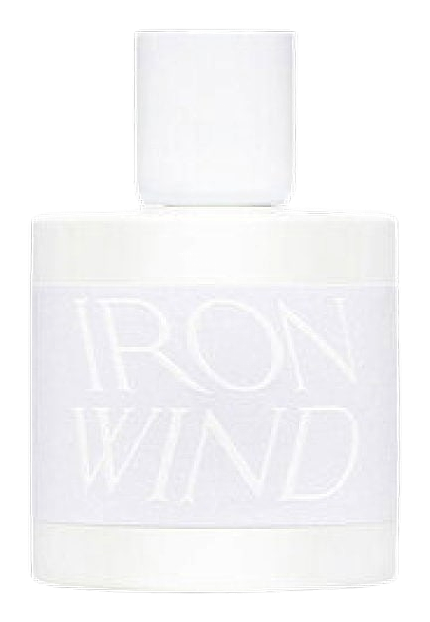
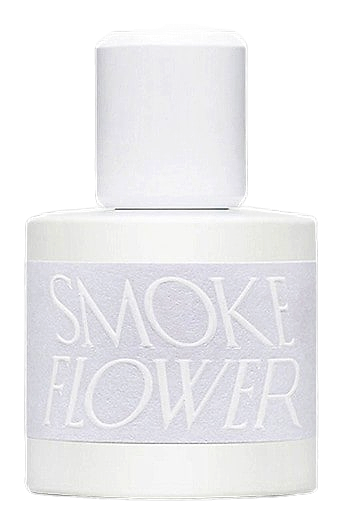
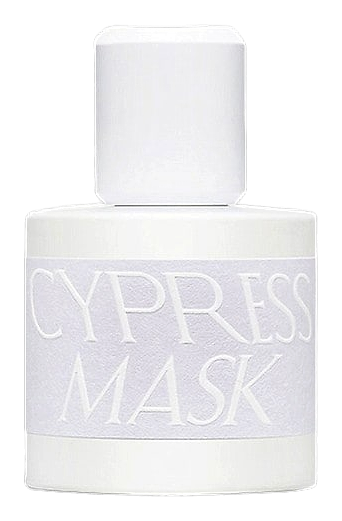
Tobali emerged from Tokyo creative culture rather than established perfumery dynasties. The house was founded by Muneki Hashimoto, whose primary fame reportedly came from involvement in the city nightlife scene before turning to fragrance creation. This background distinguishes Tobali from houses with multi-generational perfumery lineages or formal training pipelines. The brand exists in a space between art project and commercial enterprise, producing limited fragrance works that reference Japanese cultural history without claiming classical perfumery heritage. Rather than building on industry connections or fragrance industry pedigree, Hashimoto reportedly brought an outsider perspective shaped by the nightclub and creative communities of Tokyo. The house does not appear in traditional fragrance industry databases as a recipient of major awards or industry recognition, though it has garnered attention from independent fragrance reviewers and niche perfume enthusiasts seeking alternatives to established houses. The 2018 releases marked a concentrated period of output, with multiple fragrances appearing that year suggesting either a collection planned for simultaneous launch or a burst of creative production during that period. Tobali approaches fragrance as cultural exploration rather than luxury product category. The house selects themes from Japanese history and aesthetics as creative anchors, exemplified by Smoke Flower drawing from courtesan culture of the 17th century. This methodology treats fragrance as narrative medium capable of conveying specific historical or emotional references rather than abstract olfactory exercise. The brand reportedly pivots away from traditional fragrance industry marketing conventions, avoiding the heritage storytelling, ingredient provenance claims, and celebrity partnerships common among established luxury houses. Instead, the house relies on fragrance composition itself to communicate identity. The avant-garde positioning reported by reviewers suggests experimental orientation in both scent construction and presentation, though specific creative processes remain undocumented in available sources. The absence of named perfumers linked to the house raises questions about whether Hashimoto creates compositions independently, collaborates with external perfumers, or sources finished fragrances from external laboratories. This opacity itself reflects the unconventional trajectory of a brand built on nightlife credibility rather than perfumery credentials.