
The Story
Why it exists.
The beginning
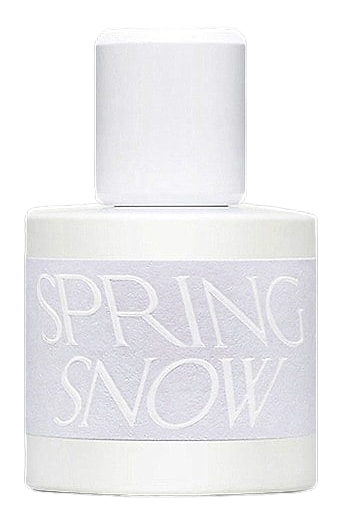
Tobali's Spring Snow (2018) takes its name from a specific moment in the Japanese calendar, the fleeting period when cherry blossoms fall through cold air before the season fully turns. This isn't the bloom itself but what follows: the petals drifting, the ground whitening, the quiet that settles over everything. The fragrance captures that in-between state rather than the obvious sweetness of spring. Working from the house's proprietary Hidden Japonism 834 accord, developed in collaboration with Nippon Kōdō (a Japanese incense house with deep historical roots), Tobali's approach treats the concept as an olfactory meditation rather than a literal interpretation. No green florals, no obvious cherry. Instead: powder, wood, and a restrained warmth that reads more like memory than perfume.
The Hidden Japonism 834 accord is the structural backbone here, a reconstructed base inspired by historical Japanese aromatic traditions. What makes it unusual is the blend of powdery notes (synthetic molecules that evoke the soft, slightly starchy quality of falling petals) with cashmere wood and vetiver, two materials that usually occupy different olfactory territories. Cashmere wood brings a creamy, ambery warmth; vetiver adds a clean, mineral earthiness. Together they create a wood note that behaves less like traditional sandalwood and more like a sensation, warmth at a distance, wood without weight.
The evolution
Spring Snow opens with powder, not the sharp talc of older fragrances but something softer, almost atmospheric. The cherry blossom registers as texture rather than scent: a fleeting floral impression that dissolves within the first thirty minutes. By the time you reach the second hour, white sandalwood and cashmere wood have taken over, warm and slightly creamy, with vetiver lending a quiet green undertone that keeps things grounded. The transition is seamless, no sudden shift, no gap between chapters. The base arrives around hour three: amber and musk doing what they do best, holding the earlier notes in place while adding a skin-like warmth that doesn't announce itself. On fabric, Spring Snow lasts closer to eight hours. On skin, expect six to seven with moderate sillage, present enough to reward someone standing beside you, invisible to someone across the table. The drydown is the real payoff: powder and wood merged into something that smells like a memory of scent.
Cultural impact
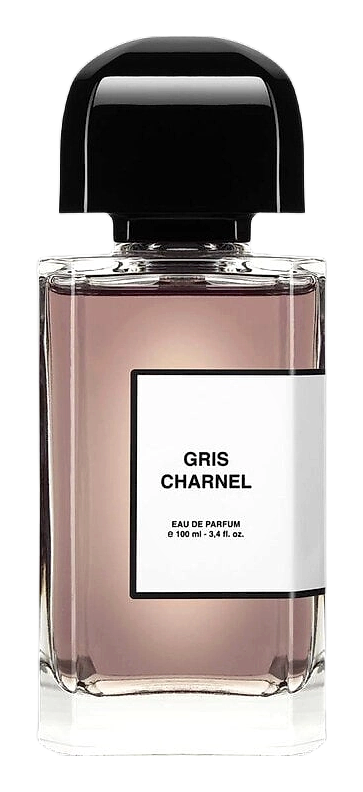
Spring Snow occupies a specific corner of niche perfumery, the quiet, contemplative Japanese aesthetic that values restraint over impact. Wearers describe it as the scent of someone who doesn't need to be noticed: intimate, warm, unhurried. Its powdery-woody character places it alongside BDK Parfums Gris Charnel in spirit if not in exact notes, both are perfumes for proximity rather than presence. The use of the Hidden Japonism 834 accord (a reconstructed historical base developed with Nippon Kōdō) ties it to Japanese aromatic traditions in a way most Western fragrances don't attempt.