The Story
Why it exists.
The beginning
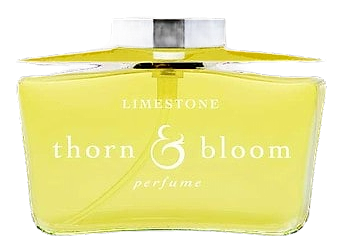
Limestone was part of Thorn & Bloom's inaugural collection. Jennifer Botto, who serves as the perfumer behind the brand, built each scent in that first release with a kind of deliberate focus. The concept for Limestone was simple in pitch and hard in execution: capture a coastal landscape rather than a mood, a place where citrus trees grow against mineral rock, where the water tastes like chalk and the bark of the trees is painted white. The composition reads less like a styled idea of the seaside and more like an attempt to bottle the actual minerality of stone warmed by sun, the dusty sweetness of citrus leaves catching afternoon heat. There's a tactile quality to the way the notes are arranged, almost geological in their layering, as if each material were placed rather than blended.
What's interesting is the material list. Choya Nakh, a traditional Indian distillate of roasted seashells, is the pivot that makes the whole thing cohere. Botto built Limestone around an unusual gravitational center, a calcified note that holds the volatile top from floating away. The green bell pepper and coriander add an herbaceous snap that lifts the composition out of the flat citric brightness that often sinks similar fragrances. They bring a cracked-leaf quality, almost like rubbing a stem between your fingers before it flowers.
The evolution
The first fifteen minutes belong entirely to the top. Lime and bergamot arrive bright and confident, then bell pepper and coriander add a green, almost vegetal edge that feels more garden grove than cocktail. The citrus doesn't dominate for long. Within thirty minutes, jasmine and champa step in, but quietly, almost like a rumor. They don't turn Limestone into a floral. They thicken the air around the citrus, give it something to sit in. The interesting shift happens once the composition settles past its opening burst. That's when the choya nakh arrives, and it reads exactly as advertised: warm stone, mineral, slightly saline. The seashell note lands cleanly without veering into anything gourmand. Costus root threads underneath, adding a dark, musky warmth that pulls everything closer to skin. Frankincense appears last, but as a whisper rather than a church.
Cultural impact
Limestone draws attention for its unusual use of choya nakh, a traditional Indian distillate of roasted seashells that most natural perfumers rarely reach for. The material anchors the composition in a way that gives the citrus notes something solid to orbit, lending the scent a mineral weight that sets it apart from lighter, more fleeting citrus waters. The choice to build a fragrance around a calcified base note rather than the usual white musk or woody drydown makes Limestone stand out on any shelf of botanical releases. It reads as a serious study in what naturals can do when they're given permission to be strange.