The Story
Why it exists.
The beginning
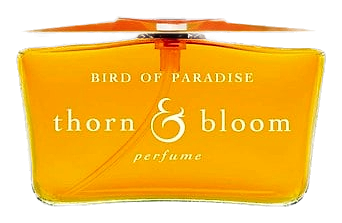
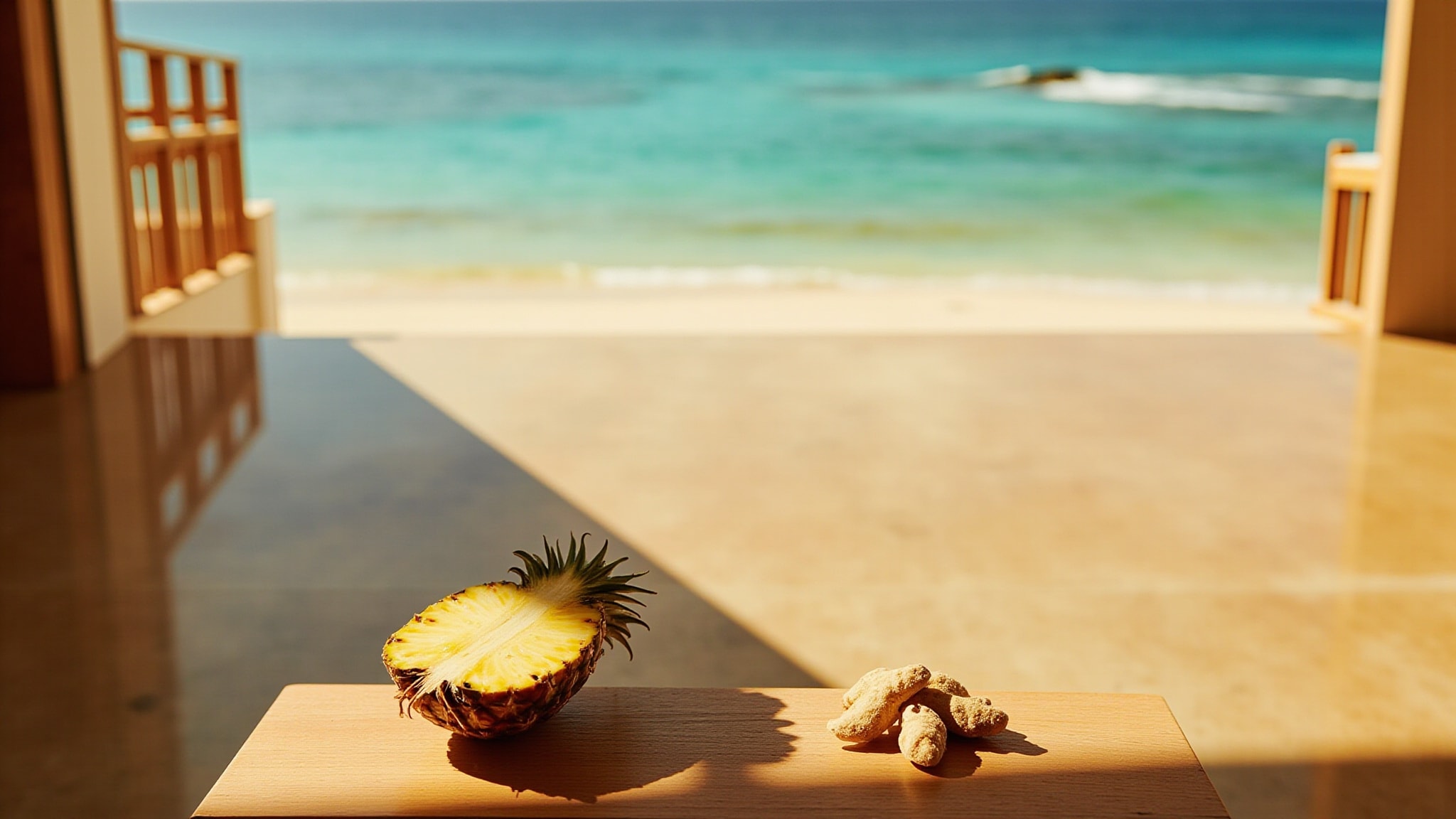
Bird of Paradise launched in 2015, part of Thorn & Bloom's debut collection. The flower itself is a study in contrast. Exotic, architectural, almost defiant in how it holds color. Botto translated that visual boldness into scent: tropical fruits and candied ginger on one side, resinous incense and ambergris on the other. Her grounding in botanical materials shaped every decision here. Real ginger, real jasmine sambac, real champaca, the actual aromatic materials doing the work. The fruit opening is candied but deliberate, each note doing something distinct: candied ginger brings warmth and bite, pineapple adds a tart brightness, and lemon cuts through to keep the sweetness in check.
What makes Bird of Paradise unusual is its honest animalic edge in a tropical floral frame. Ambergris in the base gives it a salty, skin-like warmth that most fruit-florals deliberately avoid. This one pulls in frankincense and sandalwood early enough to reshape the whole arc. Champaca, the heart's quieter star, is a flower most Western perfumers overlook. It carries a tea-like, slightly fruity depth, more complex than gardenia, less familiar than jasmine.
The evolution
The first ten minutes are all fruit. Candied ginger hits sharp and sweet, pineapple folds in with a tart, almost aldehydic brightness, and lemon slices through the top to keep it from going candy-sweet. There's a candied quality here that's deliberate, not synthetic. Then something shifts. The ginger heat softens, the pineapple retreats, and jasmine sambac arrives with champaca close behind. The white florals open like humidity, not petals. They don't smell like flowers in a vase. They smell like flowers in air. Around the two-hour mark the incense begins threading through, resinous and almost crystalline, and the composition starts to dry. Sandalwood arrives underneath, creamy but not heavy, grounding the bloom. Ambergris is the final register. It's the salt, the warmth, the thing that makes this fragrance smell like skin rather than like a tropical product.
Cultural impact
Bird of Paradise sits in a small but specific lane: tropical florals that take their natural materials seriously enough to include real ambergris and champaca. This one reaches for salt and resin instead of just sweetness, which gives it a different gravity. The natural-perfumery angle matters here, because the composition's warmth and animalic edge come from actual materials rather than reconstructed accords. It reads less like a beach scent and more like a memory of one, the kind that lingers on fabric.