
The Story
Why it exists.
The beginning
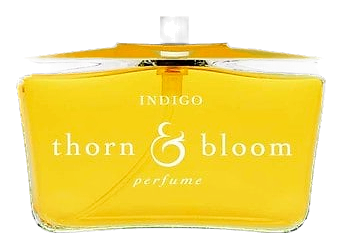
Indigo was launched in 2015. Its name points toward blue, a color the brand described as rare in nature, and the composition follows that idea through aromatic materials rather than a loud or glossy interpretation of blue. Lavender gives the opening a familiar herbal calm, while osmanthus brings a soft floral center. The listed materials, costus root, orris root, sandalwood, and tonka bean, lend the fragrance a composed woody character without making it forceful. As the opening settles, the cool herbal impression gives way to softly layered florals, smooth wood, and a faint sweet accord. Indigo works by making botanical materials feel composed, restrained, and quietly expressive on skin.
The interesting part is the tension between its fresh-looking opening and its powdery, woody base. Wintergreen and caraway bring a cool, minty edge to lavender, while osmanthus keeps the composition from feeling purely herbal. As costus root, orris root, sandalwood, and tonka bean settle in, the scent becomes more tactile and intimate. A soft powderiness meets creamy sweetness without losing the clean floral backbone, which gives Indigo its composed, easy-to-wear character.
The evolution
Indigo begins with a brisk, cool impression: lavender, wintergreen, and caraway create a green, aromatic lift, like brushing past a herb garden after rain. That brightness softens as osmanthus arrives, bringing a delicate floral haze. The opening then gives way to a more tactile drydown, where costus root and orris root bring earthy and powdery depth while sandalwood adds a smooth woody surface. Tonka bean acts as a quiet sweetener, leaving a creamy trace rather than a dessert-like finish. As the fragrance wears, the fresh herbal brightness gradually recedes and the floral center becomes clearer. The later stages draw together powdery roots, smooth sandalwood, and soft tonka bean into a close, gentle impression with a measured sweetness.
Cultural impact
Indigo can be appreciated for its cool herbal opening and composed floral-woody finish. The fragrance moves from the green lift of lavender, wintergreen, and caraway into the softer floral presence of osmanthus, then toward a tactile drydown shaped by costus root, orris root, sandalwood, and tonka bean. Its powdery, woody character remains restrained, offering a quiet way to experience fragrance as a personal sensory ritual rather than a loud display.
The House
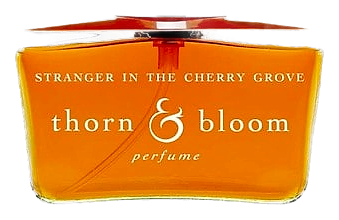
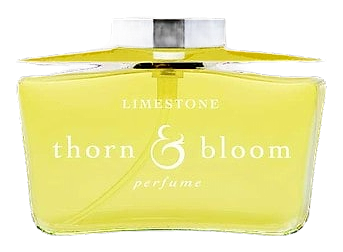
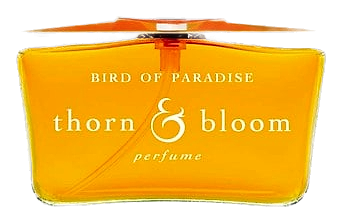
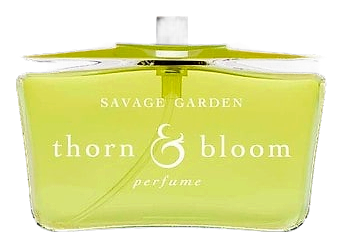
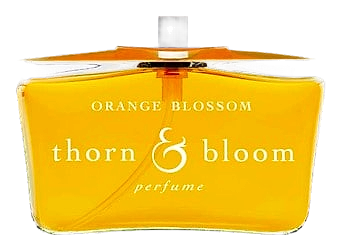
Thorn & BloomThorn & Bloom crafts artisanal botanical fragrances from a studio in Charlestown, Massachusetts. The brand centers on natural aromatics and small-batch production methods. Jennifer Botto founded the company after completing formal training in natural perfumery, launching the initial collection in June 2015. The line includes nine fragrances: Bird of Paradise, Evergreen, Limestone, Stranger in the Cherry Grove, Wild Rose, Indigo, Orange Blossom, Savage Garden, and Citrine. Each scent reflects the founder's approach to botanical composition, working with natural materials to build distinctive olfactory narratives.
The Creator
Jennifer BottoBotto gravitates toward warm, organic materials with a clear preference for natural ingredients. Vetiver appears in her work as a recurring signature, a note she returns to with evident affection and expertise.