
The Story
Why it exists.
The beginning
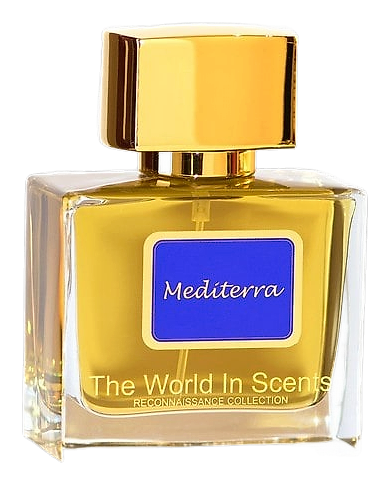
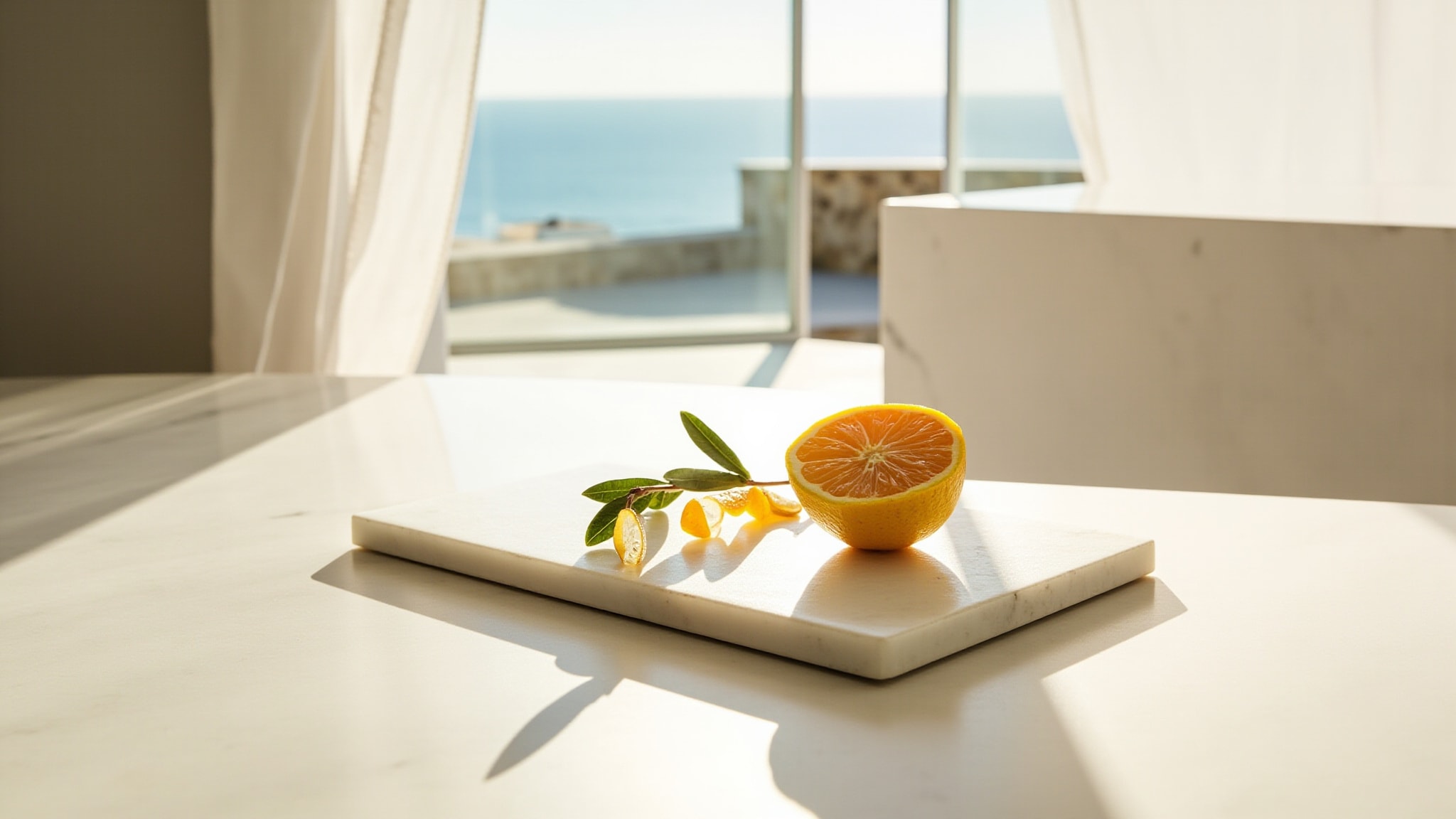
Mark St. Marie built Mediterra from a decade-old memory. A two-week stretch on Italy's Amalfi Coast had planted something in his olfactory memory, and it waited ten years for the right outlet. When the Reconnaissance Collection launched in 2018, Mediterra was the piece St. Marie himself described as the brightest fragrance of his first five releases in that collection, the one that came closest to bottled sunshine. The brief was a Mediterranean afternoon distilled: citrus groves, salty air, coastal vegetation. St. Marie set out to translate the experience of light and warmth that the coast offers, that specific feeling of color becoming temperature on your skin.
What's genuinely unusual about Mediterra is how it treats a familiar region. St. Marie built it around yuzu and bitter orange, mastic and olive absolute, and seaweed rather than the more predictable signposts. The choice of yuzu instead of lemon gives the opening a cooler, more translucent quality, and the olive absolute brings a greenness that feels earned rather than decorative. The cognac note is a small surprise too, sitting in the heart like a glass left in the sun, warming everything around it without ever announcing itself. The result doesn't read as a postcard.
The evolution
The first half hour belongs to citrus, sharp and bracing. Yuzu and bitter orange lead, neroli threading through like sunlight through a lemon tree's leaves. There's a fleshy sweetness underneath from the peach and apple, the part that makes it feel like fruit on a kitchen counter, not fruit in a dessert. As the minutes pass, the character pivots. Iris arrives, dry and powdery, and the olive and mastic settle in alongside it. This is where Mediterra stops being a bright citrus scent and becomes something more textured, almost herbaceous, with a mineral edge from the immortelle. The cognac shows up here too, a low amber glow that most people don't name but everyone notices. By the later hours the base has taken over: woody notes, a layer of seaweed that reads more as atmosphere than as literal ocean, and a clean musk that keeps it lifted instead of heavy.
Cultural impact
Mediterra draws the kind of wearer who values restraint and texture over statement-making, someone who wants a scent to evoke rather than announce. It's a composition that rewards attention, asking you to lean in rather than step back. Within The World In Scents' own catalogue it marks a warmer, brighter direction, built around the fruit and resin notes that thrive in coastal light, and it stands as one of the most distinctive entries in the Reconnaissance Collection lineup.
The House
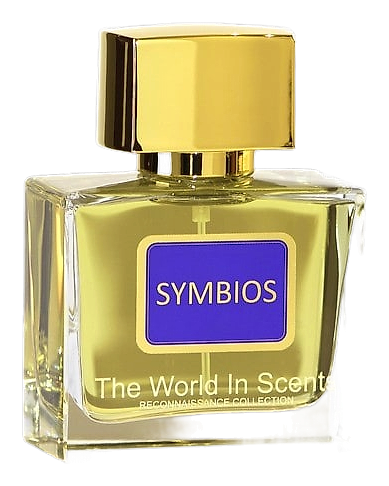
The World In ScentsThe World In Scents is a boutique fragrance house that translates geography into scent. Launched in 2018, the brand introduced a debut collection that includes Stratix, Symbios, Grey Stone Castle, Mediterra, Gravity Plus and Peace. Each perfume draws on a specific place, from coastal cliffs to mountain valleys, and invites wearers to travel without leaving home. The label positions itself as a storyteller, using aroma to map cultures, climates and moments. Its modest catalogue focuses on depth rather than volume, allowing each composition to develop a loyal following among scent‑curious collectors.
The Creator
Mark St. MarieMark favors a linear structure, letting a single accord unfold from top to base without abrupt shifts. He often starts with a crisp citrus or green note, then layers subtle florals such as violet or mimosa before anchoring the composition with warm woods or soft musks.