



Heritage
A house, in its own words
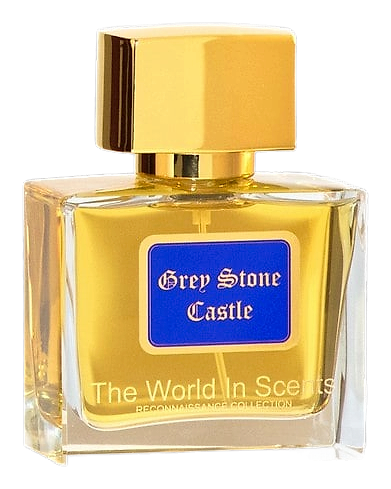
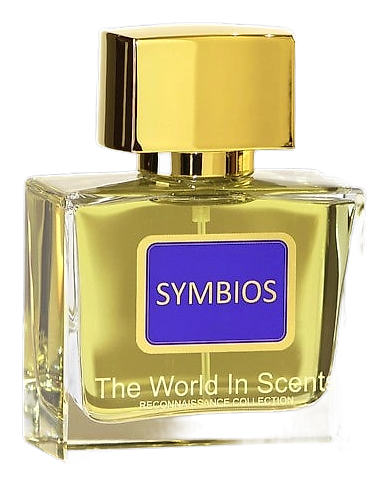
The World In Scents emerged in 2018 from a collaboration of three independent perfumers who shared a fascination with cartography and cultural heritage. According to the brand’s website, the founders met at a fragrance symposium in London and decided to create a house that would treat the globe as a single olfactory canvas. Their first release arrived later that year, a six‑bottle line that each referenced a distinct locale: Stratix evoked the rugged peaks of the Scottish Highlands, Symbios reflected the interwoven flora of the Amazon basin, Grey Stone Castle captured the stone‑laden air of a medieval fortress, Mediterra celebrated the sun‑kissed herbs of the Mediterranean coast, Gravity Plus interpreted the weightlessness of high‑altitude breezes, and Peace honored the quiet of a Japanese garden. In 2019 the label partnered with a sustainable sourcing cooperative in Vietnam to secure a rare oud that appears in Gravity Plus, marking its first explicit commitment to ethical raw material procurement. The following year the brand entered the United States market through a curated selection of boutique retailers in New York and San Francisco, expanding its reach while maintaining small‑batch production. 2021 saw a limited‑edition release of Peace in partnership with a non‑profit organization that promotes conflict resolution, with a portion of proceeds earmarked for community projects. In 2022 the house collaborated with visual artist Lina Ortiz to redesign its bottle sleeves, integrating hand‑drawn maps that echo the brand’s exploratory theme. By 2023 The World In Scents earned a feature in a "Top Niche Discoveries" list, highlighting its growing reputation among connoisseurs. The brand continues to operate from a modest studio in Shoreditch, London, where the founders still blend, test and refine each fragrance by hand. The World In Scents frames perfumery as a form of cultural dialogue. Its creative vision rests on three pillars: place‑based narrative, material integrity and sensory honesty. The house believes that a fragrance should act as a portal, allowing the wearer to experience the texture of a distant landscape through scent. To honor that principle, the brand conducts field research, gathering stories, photographs and local botanical samples before formulating a new composition. Material integrity guides every sourcing decision. The label prefers ingredients that are traceable, renewable and harvested with respect for local ecosystems. When a raw material proves unsustainable, the team seeks alternatives that preserve the intended olfactory character. Transparency is a core value; each fragrance description lists the primary natural extracts and their origin whenever possible. Sensory honesty means avoiding synthetic shortcuts that mask a scent’s true identity. While the house does employ select aroma chemicals for stability, it strives to let natural essences dominate the narrative. This approach reflects a broader belief that perfume can foster empathy by sharing the essence of a place, encouraging consumers to consider the stories behind the aromas they wear.