
The Story
Why it exists.
The beginning
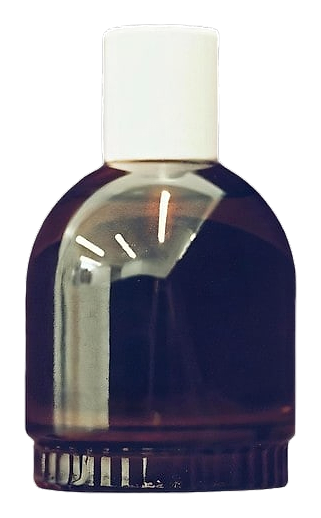
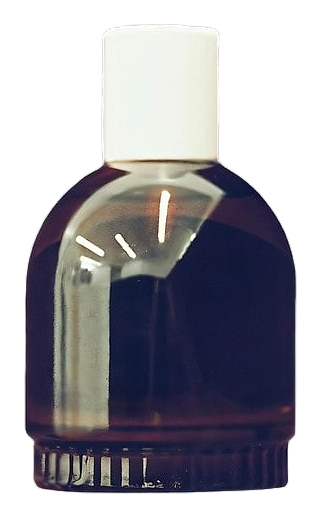
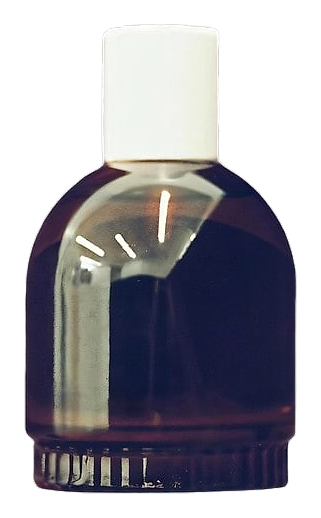
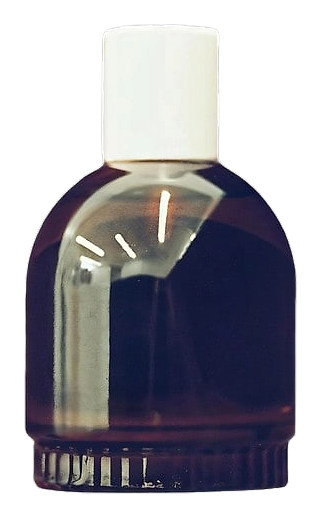
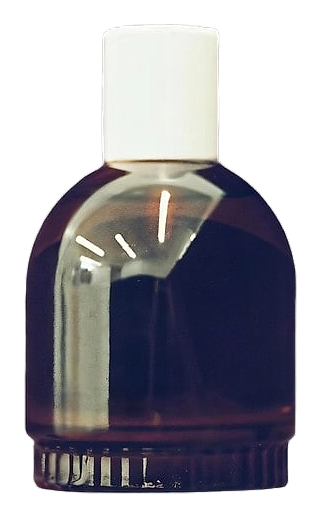
Feral Emerge arrived in 2025 from The Things Past, an independent perfume house founded in Athens that treats fragrance as an archive of memory and feeling. Its name points toward the tension between restraint and instinct. Nothing about that idea is decorative here. The composition begins with a clipped, green-sharp burst and gradually gives way to materials that feel more tactile than polished: leather, saffron, cypriol, musk, oud, and moss. It is a study in emergence, where a bright surface gives way to a darker instinct underneath. The house’s early, concept-first approach makes the scent feel less like a trend and more like a recorded moment.
The unusual part is how the notes refuse a neat gender split. Mandarin, lemon, kumquat, galbanum, and juniper bring a citrus-green voltage. Cashmere musk and leather make the heart feel close to skin, while saffron and cinnamon introduce heat without becoming overtly sweet. Labdanum and cypriol bridge that warmth into the base, where oud, cedarwood, Haitian vetiver, and moss turn mineral and earthy. It’s a composition that changes temperature as it develops, moving from brightness to textured depth without losing its pulse.
The evolution
The first impression is a quick lift of citrus and green resin, bright enough to feel like a window thrown open. Juniper and galbanum keep the opening mineral rather than sweet, while kumquat adds a small, tart edge. Then the composition turns inward. Leather and saffron bring a warm, almost physical heat; cashmere musk softens the edges without smoothing away the tension. Later, cypriol and labdanum deepen the middle with resinous, smoky weight. Oud and Haitian vetiver anchor the final stretch, joined by cedarwood and moss. What lingers is less a simple drydown than a change of atmosphere: citrus at the edges, earth and skin-warm wood underneath. On fabric or skin, the trail settles into mossy oud, dry cedar, and faint leather, with moderate presence and a typical 4-6 hour wear.
Cultural impact
Feral Emerge reflects the growing presence of independent perfume houses that pair classical fragrance structure with an independent identity. Its Greek origin connects contemporary European perfumery with the broader culture of small-batch artistic fragrance, while its citrus opening and dense woody, leather, spice, and moss drydown draw on established European olfactory traditions. The contrast between familiar citrus notes and materials such as oud, vetiver, and leather also reflects a global exchange of ingredients and techniques, without making the composition culturally uniform.