The Story
Why it exists.
The beginning
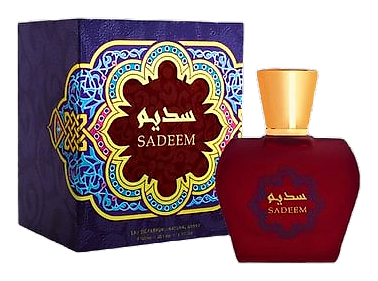
Sadeem begins with a polished floral idea rather than a documented fragrance commission or a named creative brief. No perfumer or launch year is identified, so its clearest point of origin lies in the composition itself: jasmine, rose, neroli, and raspberry set a bright, elegant register before gardenia, rose, spices, and tuberose deepen the bouquet. The opening notes suggest clean citrus brightness, graceful florals, and a tart burst of fruit. As the arrangement develops, gardenia adds creamy density while tuberose brings a more pronounced floral character. Spices introduce warmth, creating a contrast with the cooler opening and the softness of rose. The name Sadeem carries an evocative, lyrical quality, while the composition makes its meaning through contrast.
The intriguing part is how Sadeem refuses to settle for a single floral language. Jasmine and neroli bring light; raspberry adds a bright fruit edge; gardenia and tuberose give the flowers a creamy, sensual weight. Spice keeps that sweetness from becoming syrupy. Amber, honey, patchouli, and sandalwood then turn the bouquet warm and grounded, creating a composition that feels ornate without becoming one-dimensional.
The evolution
At first, Sadeem moves like a polished floral entrance. Jasmine and neroli supply clean brightness, rose keeps the mood graceful, and raspberry flashes a tart, berry-like note through the arrangement. Together, they create a fresh, luminous opening that gradually gives way to a richer floral heart. The composition expands rather than recedes: gardenia brings creamy weight, tuberose adds its dense floral character, and spices introduce a warmer pulse. Amber and honey then soften that heat with a rounded sweetness, balancing the darker spice notes against a smoother floral base. Patchouli and sandalwood provide grounding notes, giving the composition a deeper woody character. The sequence moves from bright florals and fruit to creamy blooms, warm spice, sweet amber, honey, and wood.
Cultural impact
Sadeem can be understood through its composition rather than through claims about reception, awards, sales, or broad cultural influence. Its structure begins with jasmine, rose, neroli, and raspberry, combining floral brightness with tart fruit. Gardenia and tuberose give the central arrangement a richer floral profile, while spices add a contrasting warm accent. Amber and honey introduce rounded sweetness, and patchouli and sandalwood contribute darker, woody depth.