
Heritage
A house, in its own words
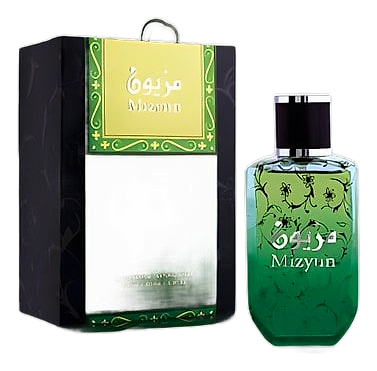
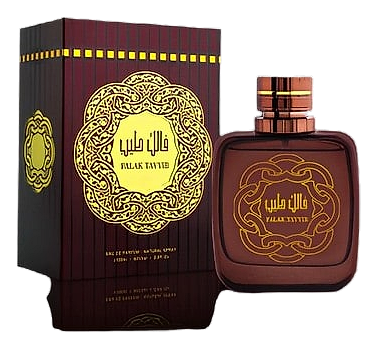
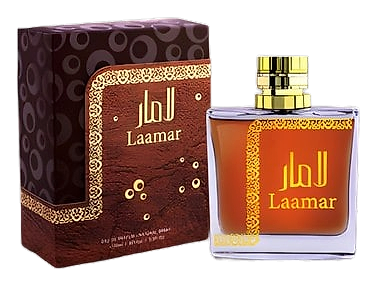
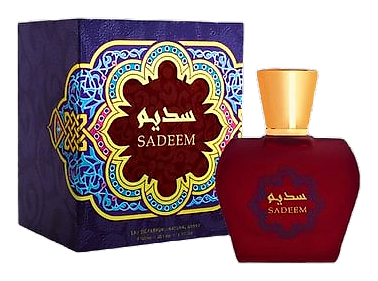
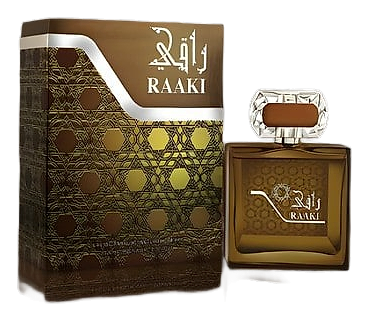
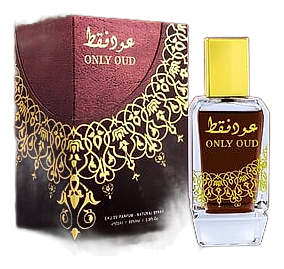
Tayyib was founded in the United Arab Emirates in 2012, according to the Fragsi brand directory. The date places the house within a modern UAE fragrance scene shaped by the country’s longstanding relationship with oud, incense and perfumed oils. Fragrances such as Only Oud, Sadeem and Raaki draw on materials and aromatic references that are closely associated with the Arabian Peninsula. Tayyib’s history is therefore best understood as part of a wider regional continuity rather than as a documented lineage of perfumery schools or individual perfumers. Publicly available sources consulted for this profile do not identify Tayyib’s founder, original workshop or a detailed sequence of early releases. The available research confirms the brand’s 2012 founding and lists a growing body of fragrances, while the surrounding historical record places Middle Eastern perfumery within a much older cultural context. This distinction matters. Tayyib is a contemporary house, but its vocabulary echoes techniques and materials documented across the region for centuries. The brand’s name, Tayyib, also carries an Arabic meaning related to purity or goodness, a word association that gives the house an identity rooted in language as well as scent. Tayyib’s creative direction appears to center on recognizable regional fragrance materials and culturally familiar aromatic profiles. Oud, musk, spice, floral notes and rich base accords recur throughout the catalog, giving the house a consistent point of view while allowing individual fragrances to vary in mood. The brand’s positioning, as described by external fragrance references, emphasizes a connection to older traditions of Middle Eastern perfumery. Rather than treating oud as a standalone trend, Tayyib presents it within a broader vocabulary of resins, florals, musks and spice-driven compositions. That approach reflects how scent operates in the region, not simply as decoration, but as a means of expressing atmosphere, hospitality, memory and identity. No named perfumers are linked to the house in the available encyclopedia data, so its creative authorship is best described through the finished fragrances rather than attributed to an individual composer. Tayyib’s philosophy can therefore be read as a deliberate blend of regional reference points and contemporary niche-perfume presentation.