The Story
Why it exists.
The beginning
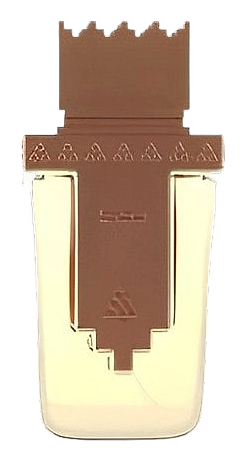
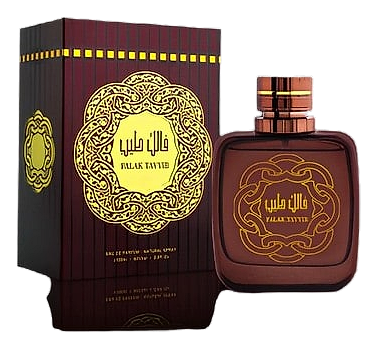
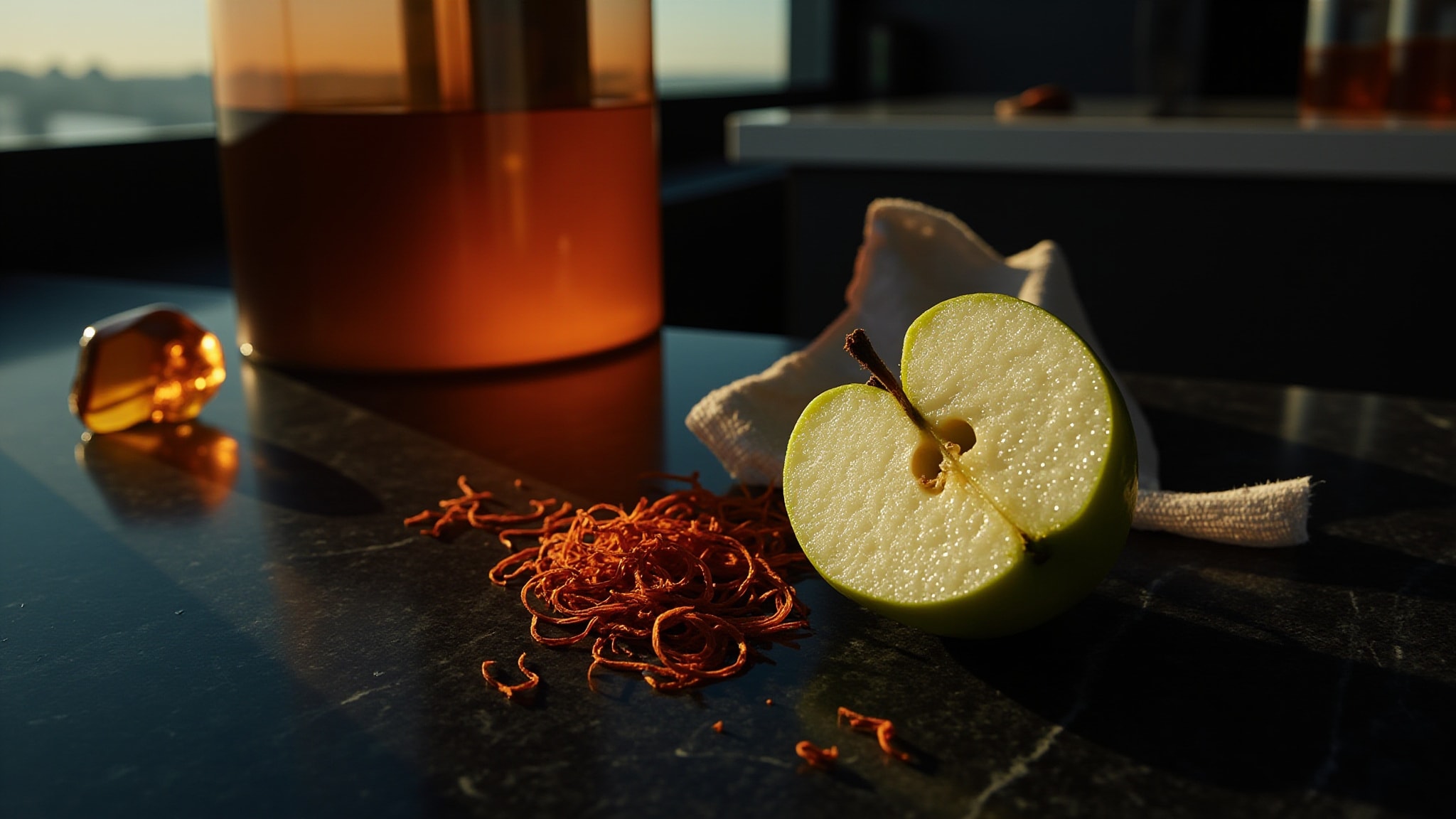
Falak Tayyib arrives as a study in contrast, with fruit at the front and a woody, resinous base underneath. Apple brings a crisp, familiar brightness, while raspberry adds a tart, red-fruit edge. Saffron introduces warmth almost immediately, giving the opening a lightly spiced charge. Violet follows with a powdery floral shadow, making the composition feel less sweet and more atmospheric. There’s no documented perfumer credit or launch date for this fragrance, so its story lives in the notes and the choices between them.
The unusual part is the handoff from fresh fruit to earthy woods. Apple and raspberry make an easy, lively entrance, but saffron prevents the opening from staying purely sugary. Violet adds a cool, powdery texture, while the base gathers oud, amber, sandalwood, guaiac wood, patchouli and musk. The fruit keeps the result from feeling heavy, lending the composition a modern, wearable energy while its woody notes form a distinct backbone. As the opening develops, the fruit gives way to a more textured middle, where violet softens the sharper spice notes and the warmer woods begin to emerge.
The evolution
The first impression is bright and tactile: apple, raspberry and saffron moving together like fruit sharpened with spice. Violet then takes over the middle, adding a cool violet-scented powderiness that softens the opening without making it innocent. As the scent settles, the woods arrive in layers, with sandalwood and guaiac wood giving it structure while oud, patchouli and amber add depth. Musk is the quiet constant, keeping the drydown close to skin. Over time, the composition moves from lively fruit to a darker, woodier finish, with the initial brightness gradually giving way to denser notes of wood, spice and musk.
Cultural impact
Falak Tayyib is defined by its blend of fresh fruit, spice, floral powder and woody notes. Apple and raspberry bring a lively opening, while saffron introduces a sharper, warmer accent. Violet softens the transition with a cool, powdery quality, and the base develops through oud, amber, sandalwood, guaiac wood, patchouli and musk. The composition’s interest comes from this movement between bright fruit and a darker, more textured drydown, offering a contemporary fruit-led interpretation within its note structure.