
Heritage
A house, in its own words
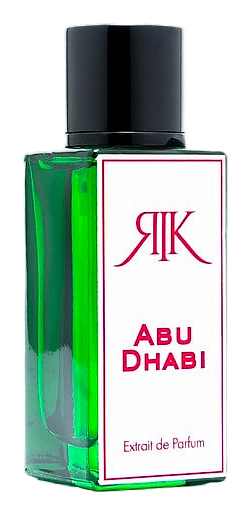
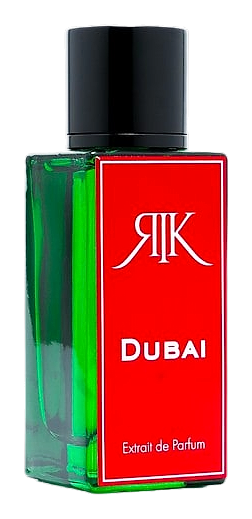
RMK Perfumes was founded in Dubai in early 2026, according to published accounts of the brand's launch. The founding premise is that perfumery in the Emirates has a long and rich history, and that this tradition deserved a house built around it rather than borrowed from elsewhere. Early reporting also links the name to Sheikh Rashid Bin Mana Al Maktoum, identifying him as the founder of RMK Perfumery and connecting the label to story-driven scents tied to Emirati heritage. The brand has described a deliberate bridging of two lineages: the British perfume house Creed, founded in London in 1971, and the Arabian fragrance traditions of the Gulf. One widely circulated account presents RMK as Creed reimagined by an Emirati group, which gives the new house a more specific narrative than a typical launch. The pairing is meaningful for a young brand because it places the label within a recognised European fragrance lineage while grounding it in the oud, amber, spice, and floral traditions long associated with the region. RMK's own public language has leaned into inheritance and continuation, describing its scents as intended for gifting, memory, and transmission between generations. That framing suggests the house is not only creating new fragrances but positioning itself as a custodian of a shared Arabian olfactory inheritance. The founding year remains recent, so there is no long record of reformulation, collaboration, or market performance to draw on yet. What does exist is a clear origin story, a named patron, a documented connection to Britain, and a Dubai base that gives the project immediate cultural grounding. RMK's creative vision centres on the idea that Emirati perfumery and modern fragrance design can coexist without one diminishing the other. That conviction shapes both the brand's catalogue and the language used to describe it. The house talks about heritage and modernity not as opposing forces but as complementary layers, a position that informs its city-named releases such as Dubai and Abu Dhabi. Scent is treated here as a vehicle for memory and legacy, which explains the emphasis on gifting and on compositions intended to be passed down rather than replaced each season. This is a notable choice for a brand launching in 2026, when most new houses compete on novelty and personal projection. RMK instead argues for continuity, placing value on how a fragrance might age in a family's collection and what associations it carries over time. The early critical reception offers a useful counterpoint to that rhetoric. Reviewers have singled out the house scent as clean, distinctive, and balanced, describing freshness that avoids sharpness, which suggests the brand's ambitions are being expressed through structure and wearability rather than through excessive projection or sheer intensity. No perfumers are publicly credited in the available material, so the house appears to be communicating its point of view through olfactive results and narrative framing first, and through named creative attribution later. The philosophy, in short, is preservation through creation: taking the inherited vocabulary of Arabian perfumery and building a contemporary catalogue around it.