The Story
Why it exists.
The beginning
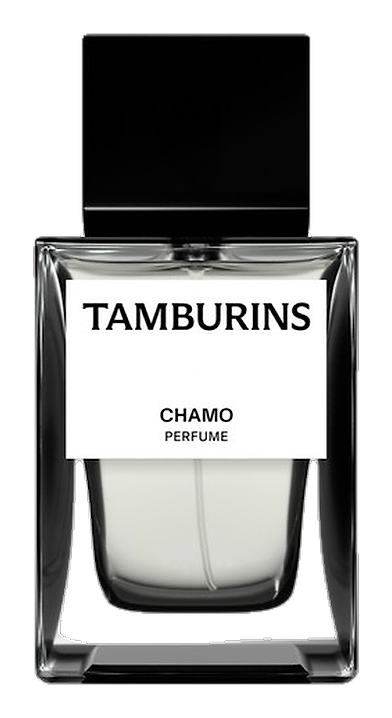
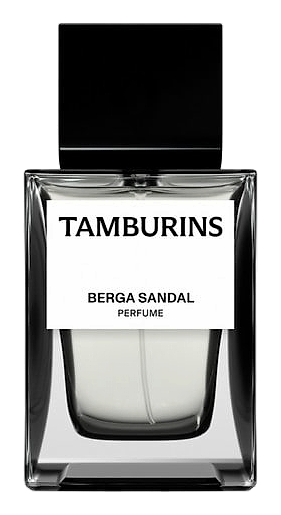
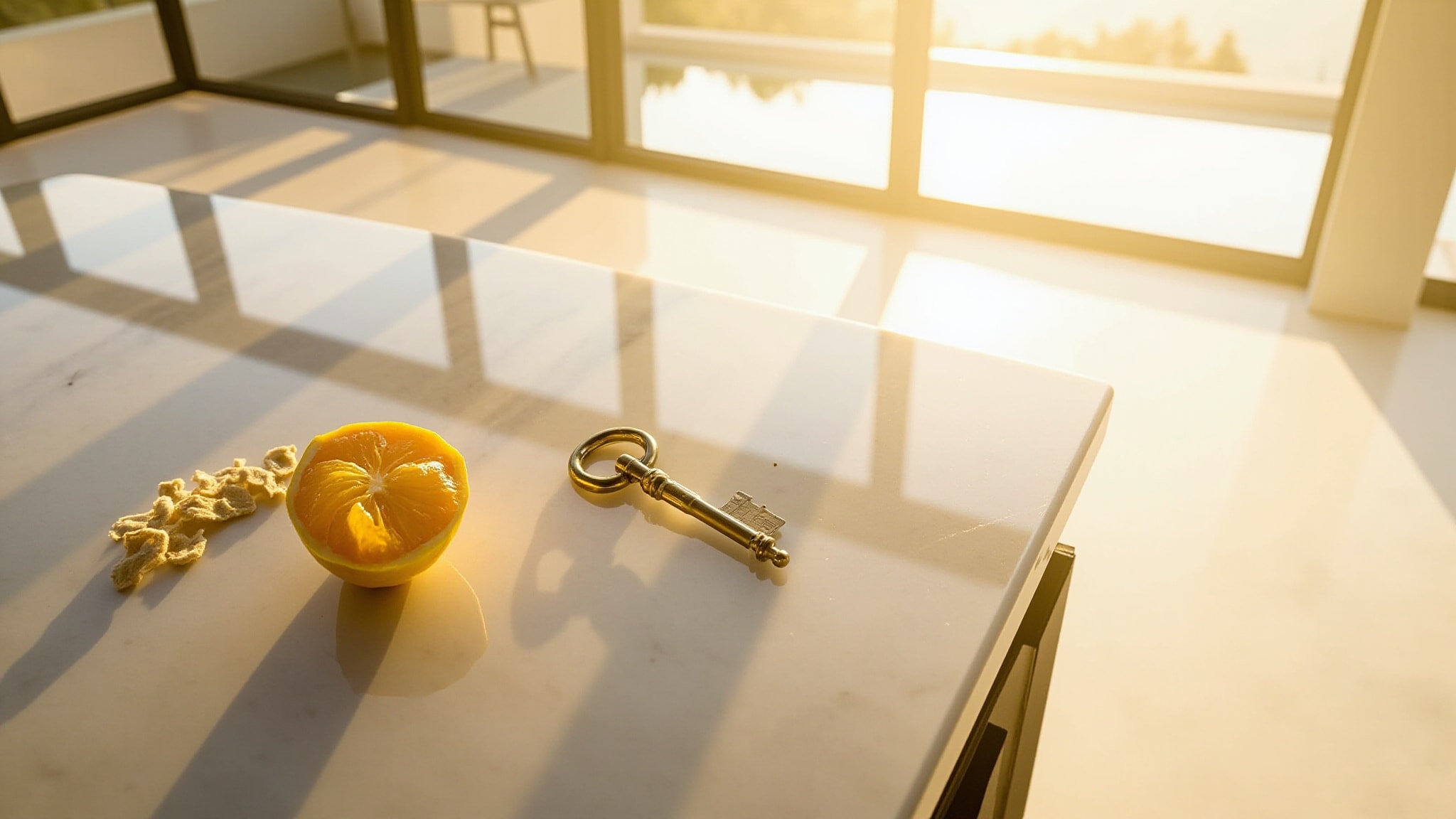
Berga Sandal arrived in 2022 from Tamburins, and the name is entirely literal: bergamot and sandalwood, the two poles the entire composition orbits between. Mediterranean citrus and warm wood, set in deliberate opposition. The official copy keeps it spare. Bergamot in the Mediterranean. Bittersweet green tangerine. Sandalwood. Everything else, the cardamom and cedar and cypriol, exists to bridge those two anchors and nothing more. This is a single clear image translated into scent, with no extra noise layered on top. The opening is bright and almost bracing, the bergamot lifting off the skin with that tart green clarity that reads more like torn leaf than juice, and the tangerine softening the edges just enough to keep it from feeling cold.
What's interesting is the middle layer. Cucumber in a sandalwood composition is a gamble. It's watery, green, almost food-adjacent, and most sandalwood fragrances wouldn't touch it. Tamburins uses it as a cooling agent, a way to keep the bergamot's brightness alive past the first twenty minutes instead of letting the wood swallow everything whole. Cypriol does the opposite work. Earthier than cedar, with a smoky-rooted quality that pulls the cucumber's wetness toward something grounded. Together they create a humidity the citrus can evaporate into rather than crash against.
The evolution
The first ten minutes are almost effervescent. Bergamot and lime arrive together, bright and slightly bitter, the cardamom sitting underneath like a hand on a shoulder, warm but not heavy. It reads as sparkling. Almost sparkling water-adjacent. Not long after, the cucumber moves in and the whole composition cools down. There's a wet-stone quality here, a sense of something green growing near water. This is where the fragrance feels most unusual. Most sandalwoods skip straight to wood. Berga Sandal lingers in the green space, almost aquatic, for a surprisingly long stretch. The transition to base is slow. Cypriol goes first, smoldering quietly. Then the sandalwood starts showing up, creamy but not thick, warmed by leather that keeps it from going soft. By hour four or five the citrus is a memory, the cucumber is gone, and what's left is this warm, slightly smoky wood close to skin. Moderate sillage. It doesn't project far. But what stays is honest, and the next morning on a sweater collar you'll catch sandalwood still working quietly away.
Cultural impact
Berga Sandal sits in an interesting place because of how it handles sandalwood. The note carries a lot of cultural weight, and Tamburins approached it sideways: the sandalwood arrives last, preceded by citrus and cucumber that make the eventual wood feel earned rather than expected. That structural choice gives the fragrance a quiet tension, because the bright opening almost never lets you forget it's there, and the wood has to work its way through the brightness before it can claim the composition.