    Brand Profile

    Tamburins is an indie Korean fragrance house that emerged from the creative team behind the eyewear label Gentle Monster. Based in Seoul, th…More

    South Korea·Est. 2016·Site

    2

    Fragrances

    3.8

    Rating

    22
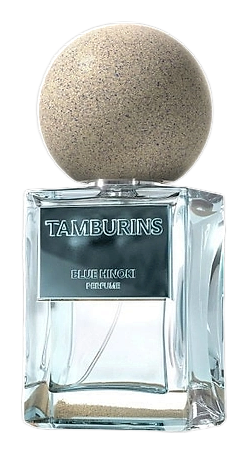
    Blue Hinoki by Tamburins
    New
    4.0

    Blue Hinoki

    Summer Tails by Tamburins
    New
    3.7

    Summer Tails

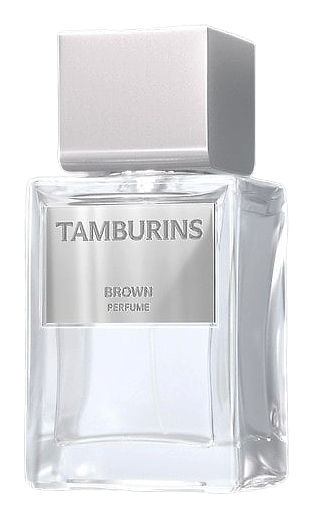
    Brown by Tamburins
    Best Seller
    4.5

    Brown

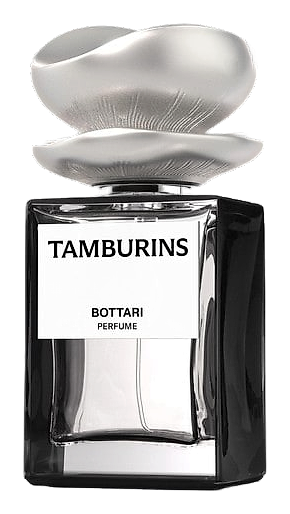
    Bottari by Tamburins
    NewBest Seller
    4.4

    Bottari

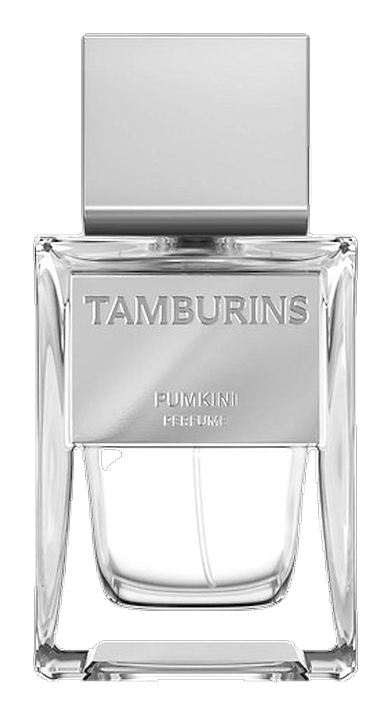
    Pumkini by Tamburins
    NewBest Seller
    4.3

    Pumkini

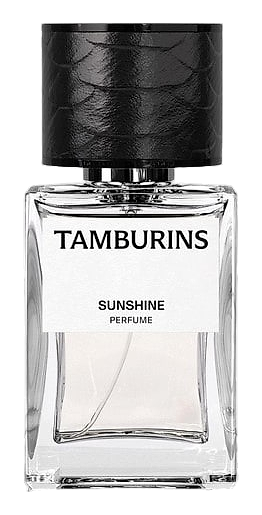
    Sunshine by Tamburins
    New
    4.3

    Sunshine

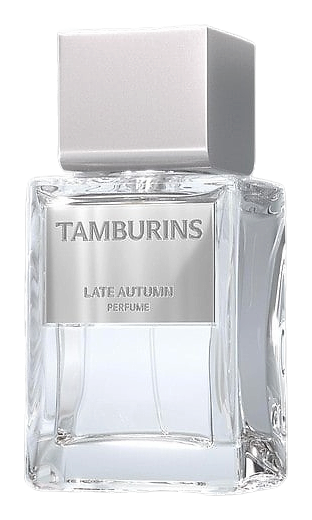
    Late Autumn by Tamburins
    4.3

    Late Autumn

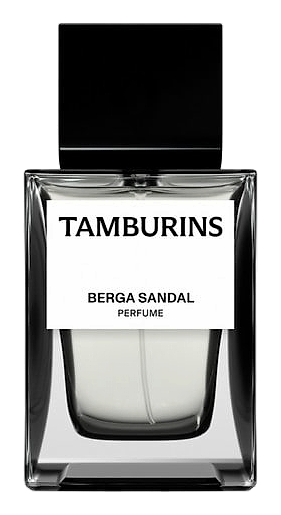
    Berga Sandal by Tamburins
    4.2

    Berga Sandal

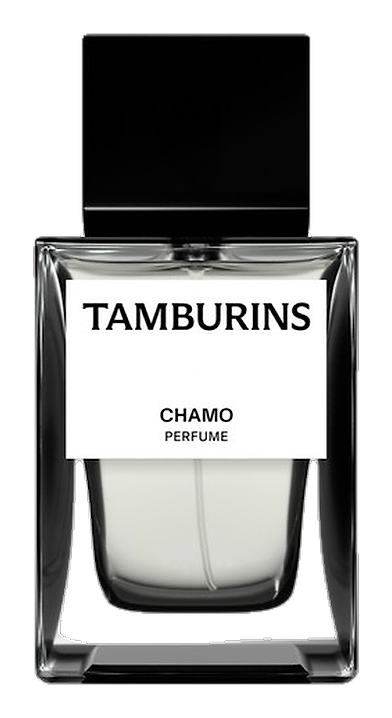
    Chamo by Tamburins
    4.2

    Chamo

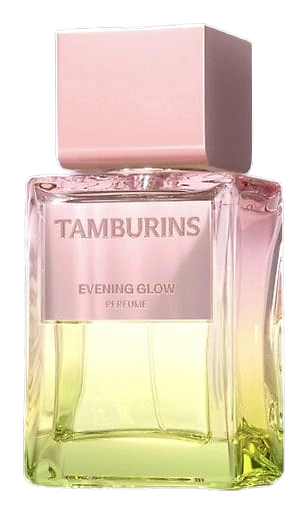
    Evening Glow by Tamburins
    4.1

    Evening Glow

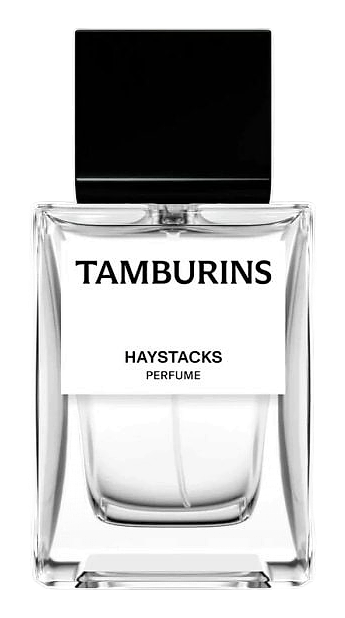
    Haystacks by Tamburins
    4.1

    Haystacks

    Holy Metal by Tamburins
    4.0

    Holy Metal

    1 of 2

    The Heritage

    The Story of Tamburins

    Tamburins is an indie Korean fragrance house that emerged from the creative team behind the eyewear label Gentle Monster. Based in Seoul, the brand treats scent as a visual‑plus‑olfactory narrative, releasing limited‑edition perfumes that invite collectors to experience a moment in time. Since its debut in 2016, Tamburins has built a reputation for pairing unconventional storylines with carefully sourced ingredients, offering a line that includes Brown (2023), Bottari (2025) and the seasonal series Blue Hinoki (2025). The label’s retail spaces double as art installations, reinforcing its belief that fragrance should be felt as much as it is smelled.

    Heritage

    Tamburins was founded in 2016 in Seoul by the founders of Gentle Monster, a Korean eyewear brand known for its avant‑garde retail concepts. The decision to launch a perfume line grew out of a desire to translate the visual storytelling that defined Gentle Monster into a sensory medium. Early development focused on small‑batch production, allowing the team to experiment with scent structures that echoed the brand’s aesthetic of “anomalous beauty.” In 2018 the company opened its first pop‑up space in the Seongsu district, a former industrial area that had become a hub for creative startups. The space was designed as an immersive gallery, where visitors could walk through scent‑infused rooms that corresponded to each fragrance’s narrative. By 2020 Tamburins introduced its own lifestyle concept, House NoWhere, a multi‑sensory retail platform that blends furniture, lighting and fragrance under a single curatorial vision. The brand’s product timeline reflects a steady cadence of releases. 2022 marked a prolific year with three launches—Berga Sandal, Chamo and Haystacks—each drawing on natural motifs and Korean cultural references. The following year, Brown and Late Autumn expanded the collection into darker, more introspective territories. 2025 saw an ambitious expansion with four new scents—Bottari, Pumkini, Blue Hinoki and Sunshine—demonstrating Tamburins’ confidence in scaling its limited‑edition model while retaining artisanal quality. Throughout its growth, Tamburins has remained unfunded, operating without external venture capital. This independence has allowed the brand to prioritize creative control over rapid commercial expansion. The company’s headquarters remain in Seoul, where a small team of perfumers, designers and curators collaborate closely on each release. The brand’s trajectory, from a concept born in an eyewear studio to a recognized name in Korea’s niche perfume scene, illustrates how cross‑disciplinary experimentation can reshape a market traditionally dominated by large multinational houses.

    Craftsmanship

    Production at Tamburins follows a boutique‑scale model. Each fragrance is formulated in small batches, typically ranging from 200 to 500 units per launch, which allows the perfumers to monitor quality closely and make adjustments before the scent reaches the market. The brand sources raw materials from both local Korean farms and established international suppliers, emphasizing natural extracts when possible. For example, the sandalwood used in Berga Sandal originates from Indonesian plantations that practice sustainable harvesting, while the citrus elements in Sunshine are derived from Jeju Island orchards. The formulation process begins with a narrative brief, after which a perfumer—often a freelance specialist rather than an in‑house chemist—creates a scent palette that aligns with the story. Once a draft is approved, the mixture undergoes a stability test lasting several weeks to ensure the fragrance retains its character over time. Quality control includes gas chromatography analysis to verify the purity of essential oils and synthetic accords. Packaging is crafted in collaboration with Korean design studios. Bottles are hand‑blown glass, finished with matte black or soft pastel caps that echo the visual language of the associated story. Labels are printed on recycled paper using soy‑based inks, reinforcing the brand’s environmental awareness. The final product is sealed in a custom‑cut wooden box that doubles as a display piece, encouraging collectors to treat the perfume as an object of art. Tamburins also invests in the sensory experience of its retail environments. The Seongsu flagship incorporates scent‑diffusing installations that align with the current collection, allowing visitors to encounter the fragrance in a spatial context before purchase. This approach reflects the brand’s belief that a perfume’s true character emerges when it interacts with both the body and the surrounding environment.

    Design Language

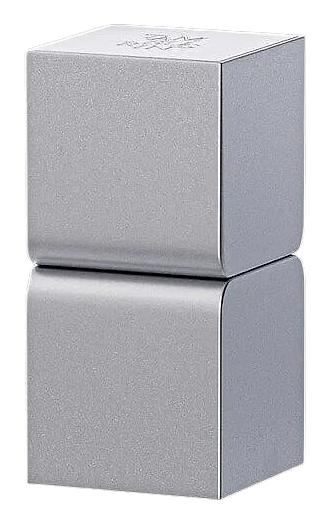
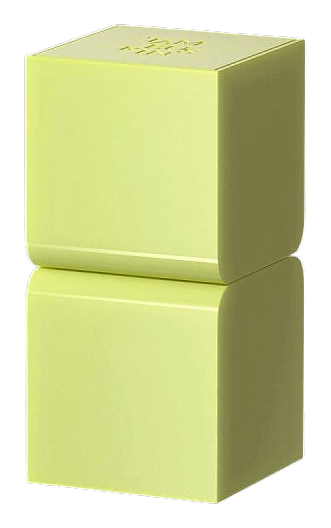
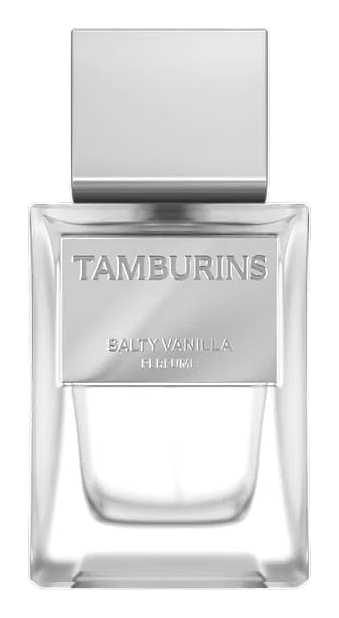
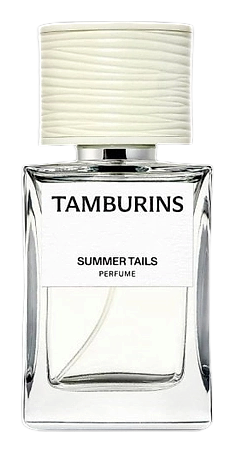
    Visually, Tamburins adopts a minimalist yet tactile aesthetic that mirrors its olfactory philosophy. The brand’s logo features clean, sans‑serif lettering, often rendered in monochrome to let the fragrance’s story take center stage. Bottle designs favor simple silhouettes—cylindrical or slightly tapered forms—paired with matte finishes that feel soft to the touch. Color palettes shift with each release; Brown, for instance, arrives in a deep amber glass, while Sunshine is presented in a pale, sun‑kissed hue. Retail spaces extend this visual language. The Seongsu flagship, designed by a team linked to Gentle Monster, resembles an art gallery more than a traditional perfume shop. Walls are painted in neutral tones, and lighting is carefully calibrated to highlight the glass bottles and their accompanying artwork. Scent is introduced through discreet diffusers placed at strategic points, creating a layered atmosphere that evolves as visitors move through the space. Graphic collateral—posters, lookbooks and social media assets—uses high‑contrast photography that captures moments rather than products. Images often depict everyday scenes—a quiet street at dusk, a field of wheat, a city skyline at sunrise—reinforcing the brand’s narrative focus. Typography across these materials remains consistent, favoring clean lines and generous white space, which conveys a sense of calm confidence. Overall, Tamburins’ visual identity is built around restraint and intentionality. By avoiding excessive ornamentation, the brand lets the story behind each scent and the subtle details of its packaging speak for themselves, creating a cohesive experience that feels both contemporary and timeless.

    Philosophy

    Tamburins frames fragrance as a narrative device rather than a mere product. The brand’s creative vision centers on the idea that scent can capture a fleeting emotion or a specific place, turning each bottle into a portable story. This philosophy is reflected in the way the team selects themes—ranging from the quiet stillness of a late autumn evening to the bright optimism of a sunrise—then translates those moments into olfactory compositions. Tamburins values authenticity, opting for transparent sourcing and modest production runs that keep each scent intimate. The label also embraces a collaborative ethos, inviting artists, architects and musicians to contribute to the sensory experience of its retail spaces. By treating perfume as part of a broader cultural dialogue, Tamburins seeks to engage consumers who appreciate depth over instant trendiness. The brand’s statements about “exploring anomalous beauty” are grounded in a commitment to challenge conventional scent pairings, often juxtaposing unexpected notes to provoke curiosity. In practice, this means a fragrance might pair a traditional woody base with a fleeting citrus spark, encouraging the wearer to reinterpret familiar aromas in new contexts.

    Key Milestones

    2016

    Tamburins founded in Seoul by the creators of Gentle Monster, launching as an indie fragrance label.

    2018

    Opening of the first Seongsu flagship store, designed as an immersive scent gallery.

    2022

    Release of three new fragrances—Berga Sandal, Chamo and Haystacks—expanding the brand’s natural‑inspired line.

    2023

    Launch of Brown and Late Autumn, marking a shift toward darker, mood‑centric compositions.

    2025

    Four‑fold expansion with Bottari, Pumkini, Blue Hinoki and Sunshine, showcasing the brand’s ability to scale limited‑edition releases.

    2026

    Tracxn lists Tamburins as an unfunded company, confirming its continued independence in the market.

    At a Glance

    Brand profile snapshot

    Origin

    South Korea

    Founded

    2016

    Heritage

    10

    Years active

    Collection

    2

    Fragrances released

    Avg Rating

    3.8

    Community sentiment

    Release Rhythm

    2026
    1
    2025
    5
    2023
    4
    2022
    10
    tamburins.com

    Did You Know?

    Interesting Facts

    Distinctive details and defining moments that shape the house personality.

    01

    The Seongsu flagship store incorporates scent‑diffusing walls that change intensity based on visitor movement.

    02

    Tamburins collaborates with House NoWhere, a conceptual lifestyle brand, to create multi‑sensory retail experiences that blend furniture, lighting and fragrance.

    03

    Each fragrance is produced in batches of fewer than 500 bottles, allowing the perfumers to maintain tight quality control.

    04

    The brand’s bottles are hand‑blown glass and finished with matte caps, a process that requires a dedicated artisan workshop in Seoul.