The Story
Why it exists.
The beginning
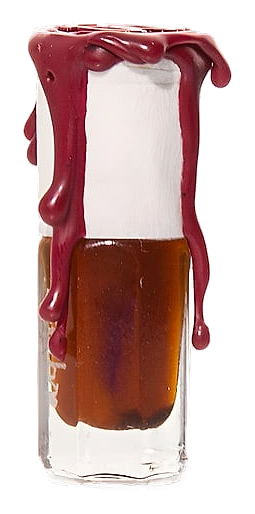
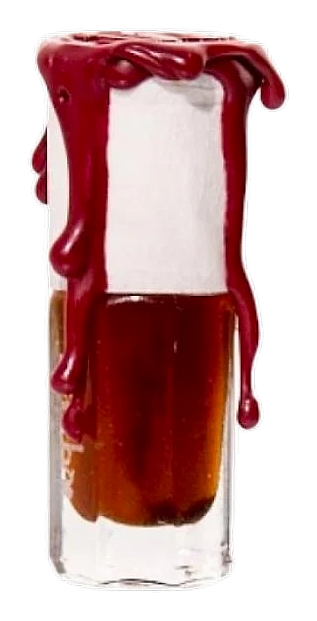
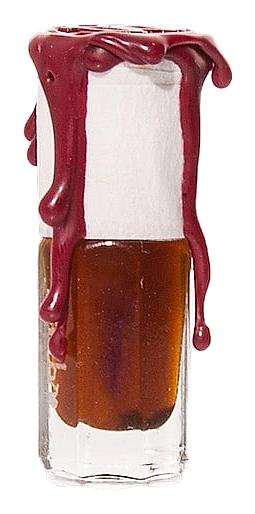
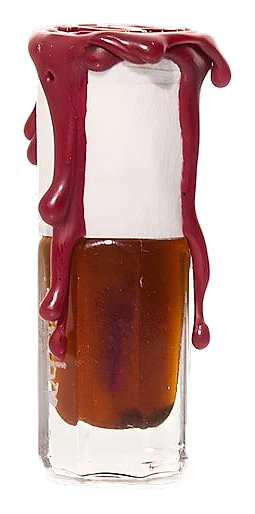
Sultan Pasha built Poudre Noir around a tension: the softest, most comforting powder florals against something rawer underneath. Heliotrope and lilac dusted with honey. Turkish rose otto from Turkey. Then civet and black tea absolute arrive without apology. The name itself holds both impulses, Poudre for the powder, Noir for the depth. It's a fragrance about contrast, about what happens when sweetness meets earthiness on skin that holds heat.
The note structure is unusual in its layering. Heliotrope appears in both top and heart, it stretches the powdery quality across two phases rather than vanishing in minutes. The honey absolute reappears in the base alongside tobacco absolute, so the sweetness doesn't compete with the florals in the opening but instead echoes back in the drydown, now warmed by sandalwood and civet. Mousse de Saxe adds a subtle, slightly soapy powder that threads through the entire base. Black tea absolute is the unexpected anchor, slightly bitter, mineral, almost smoky, grounding the sweetness in something that reads as natural rather than constructed.
The evolution
The opening arrives creamy and floral: lilac, heliotrope, honey, Turkish rose otto. The honey reads almost edible at first, soft, warm, thick. Within twenty minutes, the civet begins to surface. Not aggressive, but present. The florals don't disappear; they deepen. Jasmine and tuberose arrive with more weight, the peach adding ripeness that the tobacco absolute picks up and turns earthy, dusty. Three hours in, the base announces itself. Mysore sandalwood and cedarwood form a woody foundation, while benzoin and Peru balsam add warmth. Civet and ambergris are the tell, that's the animalic pulse that lingers under the florals. Black tea absolute keeps everything grounded with a slight mineral edge. The drydown on skin is warm, honeyed tobacco with a powdery, slightly musky close. The next morning, sandalwood and hay absolute remain. Intimate. Close. Still there.
Cultural impact
Poudre Noir occupies an interesting position in the niche attar landscape, it asks something of the wearer. The animalic notes, particularly the civet and ambergris, are not hidden or softened. They are part of the composition's honesty. Wearers either find this compelling or find it too much. There is not much middle ground. The fragrance has developed a small, devoted following among those who appreciate attars that do not perform respectability, that let the raw materials speak, including the ones that are challenging to name. The 2018 launch places it among Sultan Pasha's mid-period work, after the early attars like Cuir au Miel established his voice and before the more recent Juriah line.