
The Story
Why it exists.
The beginning
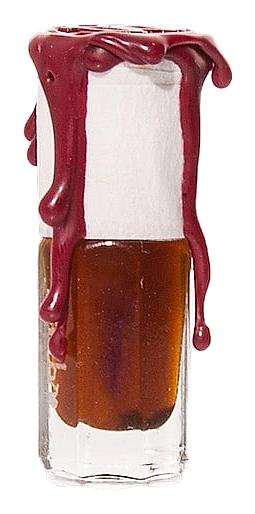
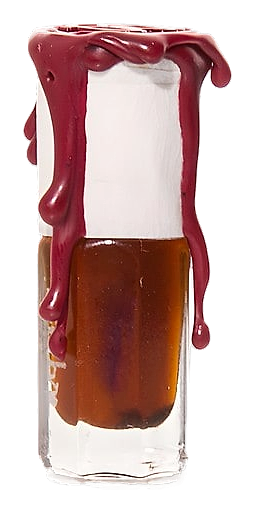
Cuir de Russie draws its name from a storied leather tradition. Russian leather, tanned with birch bark, carries a distinctive character that sets it apart from other leather varieties. The material develops depth over time, acquiring richness with continued use rather than breaking down. Sultan Pasha built the fragrance around this principle, working with natural attar materials to create a scent that mirrors the leather's own evolution. The fragrance opens with crisp, smoky birch bark notes that evoke freshly worked leather. As it settles into the skin, warmer undertones emerge, velvety and deeply textured, creating a sense of intimacy. Natural attars blend and reveal themselves in layers, each wearing uncovering something slightly different.
The real tension here lives in the animalics. Castoreum and civet don't arrive immediately, they're held back by the clary sage and citrus in the opening, deferred until the florals begin to settle. When they arrive, the composition shifts. The lightness doesn't disappear; it gets absorbed into something denser, richer, stranger. White truffle in the heart adds an umami quality that most leather fragrances avoid entirely, it reads as mineral, almost fungal, a counterweight to the florals that keeps the heart from becoming saccharine. The birch tar throughout is the through-line: smoky from the first spray to the final drydown hours later.
The evolution
The opening hits bright, clary sage, bergamot, blood orange, the green of violet leaf. The birch tar sits low but present, a smoke that reads almost medicinal beneath the citrus. This opening lasts a solid thirty minutes before the florals arrive to absorb the sharpness. Then the heart opens: rose and jasmine with lily of the valley adding a powdery lift. The white truffle is the surprise here, an earthy, fungal counter to the sweetness, barely perceptible but holding the composition together. The drydown is where this fragrance earns its name. The leather arrives not as a note but as a fact. Castoreum and civet deepen the warmth. The Mysore sandalwood and white ambergris linger long after the florals have gone. On fabric, the next morning, there's still something there, warm, resinous, faintly smoky. Eight to ten hours is the range, and the top end is achievable on wool or cotton that holds oil well.
Cultural impact
Within niche fragrance communities, Cuir de Russie developed a reputation as one of the bolder entries in Sultan Pasha's catalog, a fragrance that doesn't ask permission before projecting leather and smoke into a room. Collectors who gravitate toward it tend to do so specifically because it refuses the modern tendency toward polite, skin-close compositions. Its discontinuation only sharpened that appeal: scarcity in the natural attar world is currency. Sultan Pasha's work occupies a distinct corner of the niche landscape, oil-based, natural materials, and an audience that chooses these fragrances precisely because they perform differently from alcohol-based competitors.